Vedic Math vs Abacus: Which Learning Style Fits Your Child Best?

Why "Learning Style" Matters More Than the Method Itself
Most parents start this search backwards comparing which method is "better" instead of which method fits their child. Neither Vedic math nor abacus is objectively superior. Both are proven systems used by millions of students worldwide. The real driver of results is fit: a child working in a method that matches how their brain naturally processes numbers will progress faster, stay more engaged and enjoy math more, regardless of which system it is.
That's why this guide focuses less on "which is better" and more on how to read your own child's learning style because that's the decision that actually moves the needle.
What Is Vedic Math?
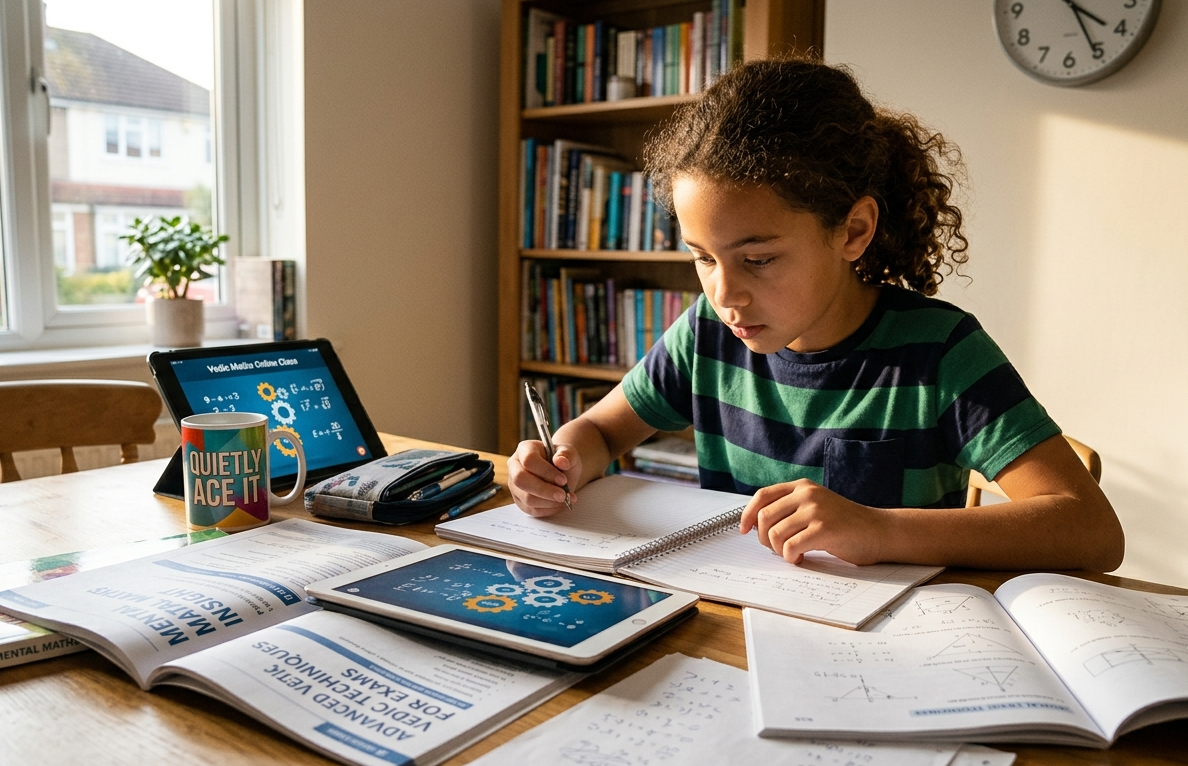
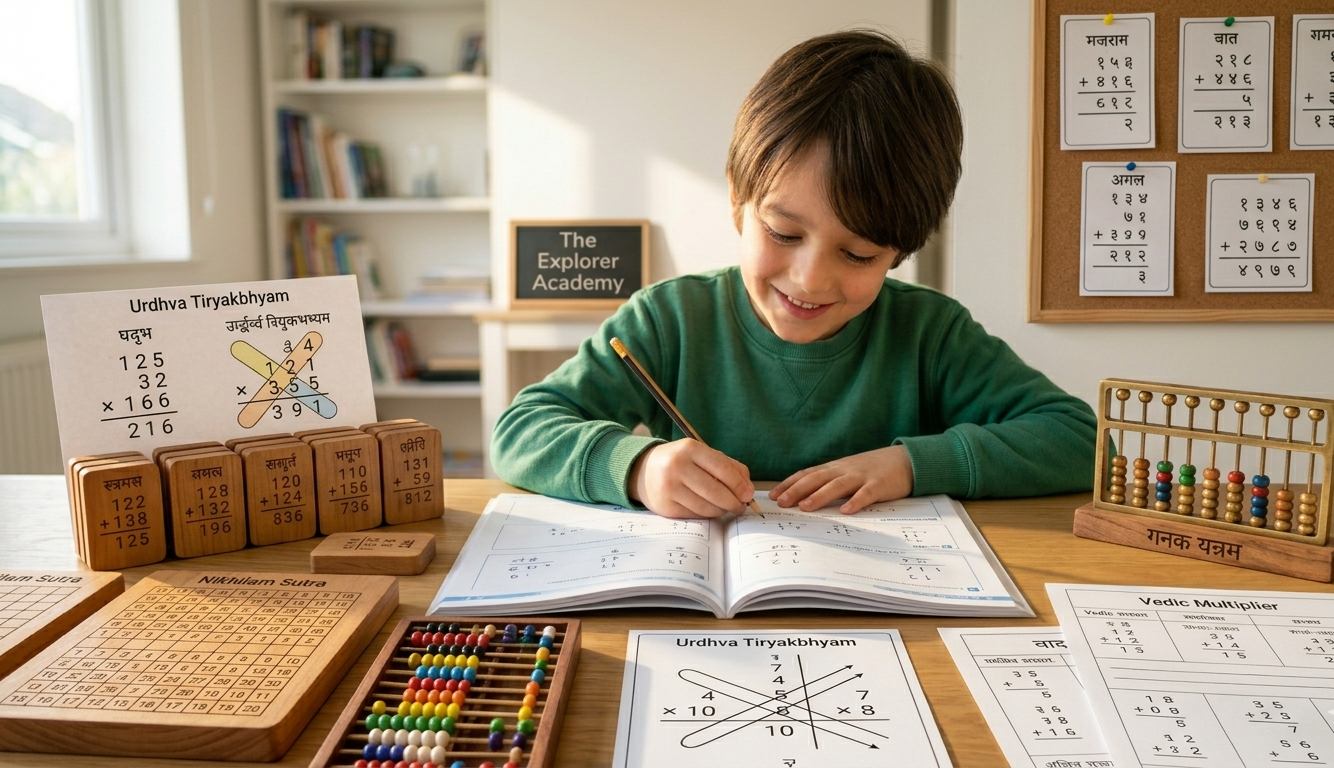
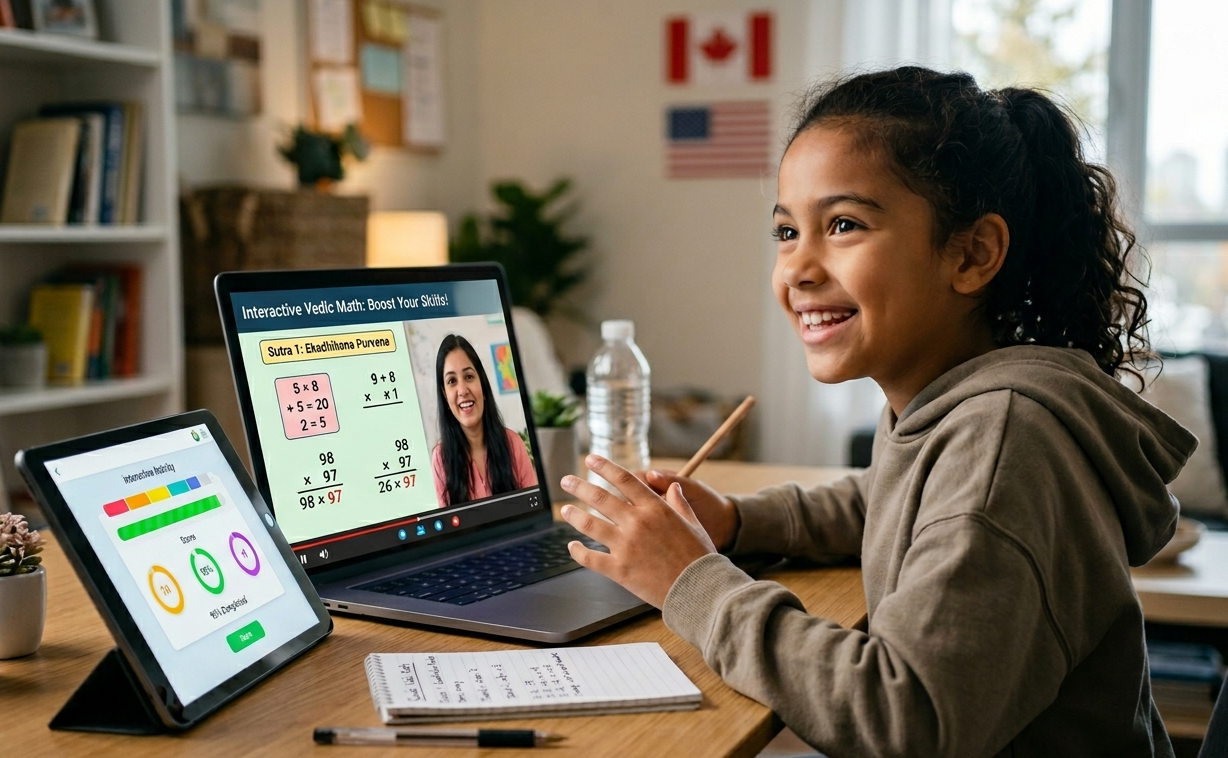
Vedic math is a mental calculation system derived from 16 sutras (formulas) and 13 sub-sutras, historically attributed to ancient Indian mathematical texts. Vedic Math Program in Surrey offers multiple approaches to the same problem, letting a child choose whichever method feels most intuitive rather than one rigid procedure.
A simple example: To multiply 98 × 97, traditional methods require long multiplication. Vedic math uses a base-method sutra: since both numbers are close to 100, a student calculates the deficit from 100 (2 and 3), cross-subtracts, and multiplies the deficits arriving at 9506 in a few mental steps instead of a written-out multiplication grid.
This is the core appeal of Vedic math: it turns arithmetic into pattern recognition, so children start noticing shortcuts on their own instead of memorizing one fixed algorithm.
Vedic math tends to work best for children who:
- Like solving problems in more than one way
- Get bored with repetitive drills
- Enjoy mental math, speed challenges, or math "tricks"
- Show early interest in logic, patterns, or puzzles
- Ask "is there a faster way to do this?"
What Is the Abacus Method?
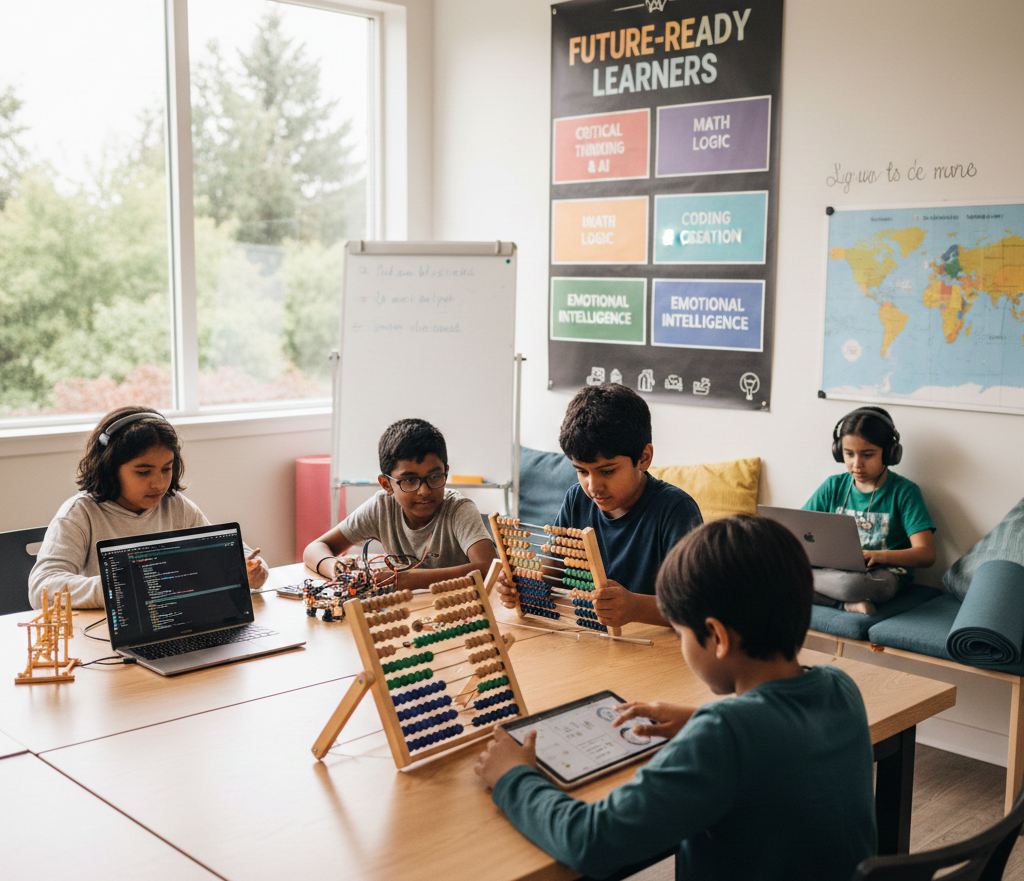
The abacus method uses a physical bead-counting tool to perform arithmetic. Children first learn to move beads to represent numbers and operations, then gradually train themselves to visualize the abacus mentally — a skill known as mental abacus or "anzan." Over time, the physical tool becomes unnecessary and calculations happen entirely in the child's head using the mental image of beads.
A simple example: To add 47 + 36, a student trained on the abacus doesn't "carry the one" the way a worksheet teaches. Instead, they visualize moving specific beads on specific rods and the answer (83) appears almost automatically because the bead pattern is already familiar from repetition.
Abacus tends to work best for children who:
- Are hands-on, visual, or kinesthetic learners
- Benefit from consistent, structured, repeatable routines
- Need a concrete tool before jumping to abstract thinking
- Enjoy rhythm-based, repetitive practice
- Respond well to gradual, step-by-step mastery rather than open-ended exploration
Vedic Math vs Abacus: Key Differences Explained
Learning style: Vedic math is logical and flexible, built around mental strategy and pattern recognition. Abacus is visual and tool-based, built around a physical (then imagined) counting device.
Approach to problem-solving: Vedic math teaches multiple methods to reach the same answer, so children pick whichever sutra feels most natural for a given problem. Abacus teaches one consistent method, practiced repeatedly until it becomes automatic and instinctive.
Best age to start: Vedic math tends to work best from age 7 onward, once a child already has basic number sense and can grasp why a shortcut works. Abacus can start earlier, often around age 5, since it doesn't require prior math foundations — the bead tool itself teaches number sense from scratch.
Skill built over time: Vedic math strengthens mental math, logical reasoning and flexible thinking that transfers well to algebra later on. Abacus strengthens calculation speed, sustained concentration, and visual-spatial working memory.
Pace of visible progress: Abacus often shows faster, more visible early wins (a 6-year-old confidently adding 3-digit numbers) because the tool provides an immediate scaffold. Vedic math's benefits tend to compound more gradually but pay off significantly once a child hits pre-algebra and algebra, where flexible number sense becomes essential.
Long-term academic benefit: Vedic math builds a strong foundation for algebra, mental math on standardized and competitive exams, and confidence in higher-level math courses. Abacus builds a strong foundation for focus, calculation speed and working memory that supports all future math learning.
Common Myths About Vedic Math and Abacus
Myth: "Abacus is only for young kids, and Vedic math is only for older kids." Reality: While abacus is easier to start younger, both systems have age-appropriate curriculums for elementary through middle school students. What matters more than age is readiness and interest.
Myth: "My child needs to choose one and stick with it forever." Reality: Many students start with abacus for foundational number sense, then transition into Vedic math as their reasoning skills mature — the two are complementary, not mutually exclusive.
Myth: "These are just fun extracurriculars, not real math education." Reality: Both systems are grounded in genuine mathematical principles and are widely used internationally in academic enrichment programs, competitive math training and even documented in cognitive research on numeracy and working memory.
Myth: "If my child struggles with school math, either program will fix it quickly." Reality: Both programs build long-term number fluency but they are not overnight fixes. A child who's currently anxious about math may need a slower, more supportive on-ramp regardless of which method you choose and a good instructor will adjust pacing accordingly.
How Do I Know Which One Fits My Child's Learning Style?
Rather than guessing, observe your child in everyday moments and ask these questions:
- Does my child ask "why" or prefer "how"? "Why" learners who want to understand the logic behind a shortcut often thrive in Vedic math. "How" learners who prefer clear, repeatable steps often prefer abacus.
- Is my child more verbal/logical or more visual/tactile? Logical, verbal kids who enjoy talking through problems tend to lean toward Vedic math. Visual, tactile kids who like to touch, move and manipulate objects tend to lean toward abacus.
- How does my child react to repetition?If repetitive practice feels calming and satisfying to your child, abacus's structured drills will likely feel rewarding. If repetition feels tedious and your child craves variety, Vedic math's multiple-method approach will hold their attention better.
- What's the end goal for our family? If it's competitive exam prep, mental math speed for school, or algebra readiness down the road, Vedic math has the edge. If it's building focus, discipline and early number confidence in a younger child, abacus is a strong starting point.
- How does my child handle open-ended problems vs. structured ones? Kids who enjoy open-ended puzzles and multiple solution paths tend to enjoy Vedic math. Kids who feel more confident with a single, clear procedure tend to enjoy abacus.
A practical tip: if you are still unsure after asking these questions, a trial class is the most reliable way to find out. Watching your child's actual reaction to each teaching style engaged and curious vs. restless and disinterested tells you more in one session than weeks of guessing.
Some children and many families we work with at The Explorer Academy benefit from starting with abacus for foundational number sense, then transitioning into a Vedic maths program as their logical reasoning develops. This sequential approach isn't a compromise; for many kids, it's the ideal path.
Signs Your Child May Be in the Wrong Program
It's worth watching for signals that a program isn't the right fit, so you can adjust early rather than waiting out a full term of frustration:
- Your child dreads class or makes excuses to skip it
- Homework or practice consistently ends in tears or arguments
- Progress has stalled for several weeks despite consistent attendance
- Your child seems to be memorizing answers rather than understanding the process
- Your child says the pace feels "too slow and boring" or "too fast and confusing"
None of these signs mean your child "can't do math" — they usually mean the teaching style needs adjusting, whether that's switching methods, switching instructors, or simply changing the pace.
Why Surrey Parents Are Choosing Vedic Maths Programs
Surrey has a growing number of families looking for enrichment options beyond the regular school curriculum and Vedic maths programs in Surrey have become a popular choice for a few clear reasons:
- Faster mental calculation without relying on calculators, which helps in timed school tests
- Improved confidence in math class, particularly for kids who've felt anxious about numbers
- Better exam readiness for provincial assessments, gifted program entry, and math competitions
- A genuine love for numbers that develops through pattern-based, game-like learning rather than fear-based rote drilling
- A supportive community of peers who are also building math confidence together, which matters a lot for a child's motivation
Parents searching for a Vedic math program in Surrey are often looking for exactly this: a structured, engaging, after-school option that complements what their child is already learning in school, not another source of homework stress.
What to Look for in an After School Vedic Math Program in Surrey
Not all programs are built the same and the difference in quality shows up quickly in a child's progress and enthusiasm. When comparing an after school Vedic math program in Surrey, look for:
- Age-appropriate pacing — the curriculum should match your child's grade level and current math foundation, not a one-size-fits-all pace
- Small group or personalized instruction so your child gets real, individual feedback rather than getting lost in a large class
- Certified, experienced instructors trained specifically in Vedic math sutras, not general tutors applying the label loosely
- Regular progress tracking and parent updates so you can see measurable improvement over time, not just vague reassurance
- Engaging teaching methods — puzzles, games, and speed challenges that build genuine enthusiasm, not repetitive worksheet drilling
- A clear path forward — a program that can tell you what your child will be able to do after 3 months, 6 months, and a year, rather than an open-ended commitment with no milestones
- Flexible scheduling that realistically fits around your child's school day and other activities, since consistency matters more than intensity
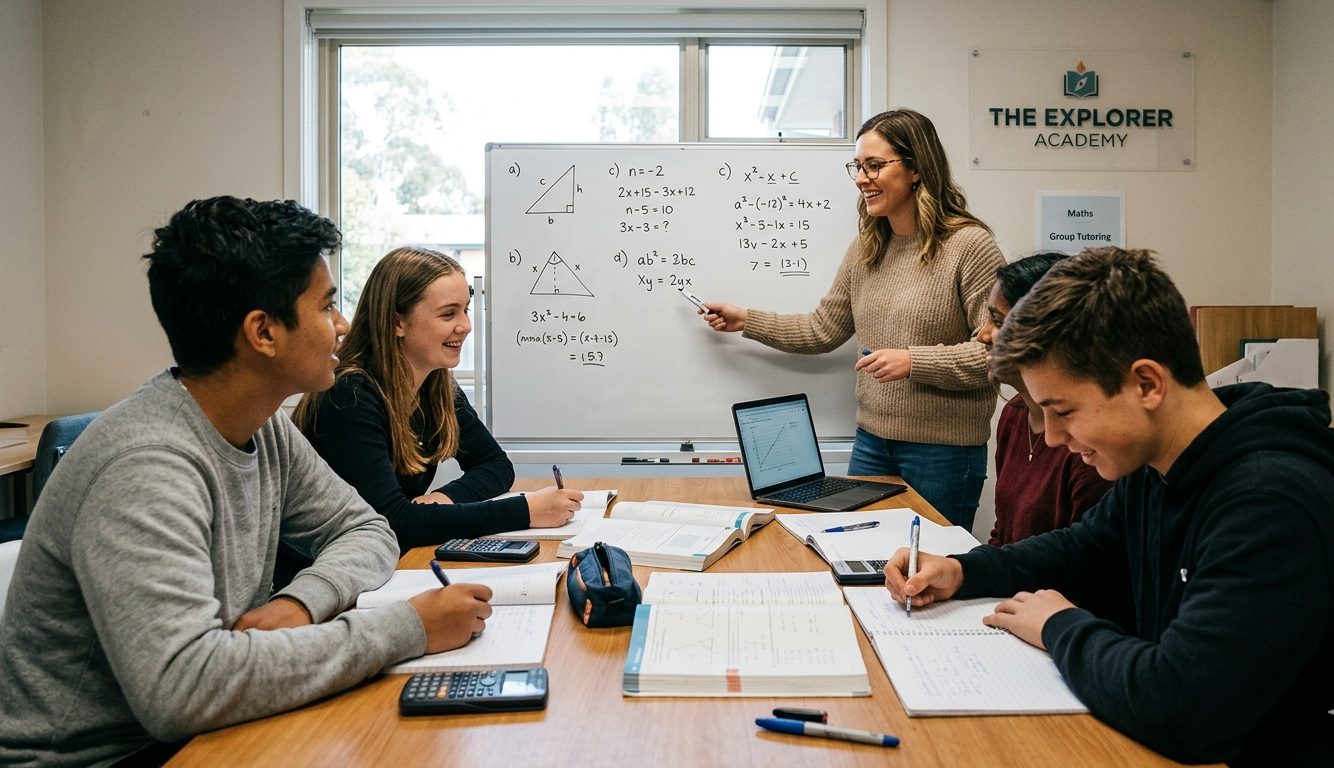
At The Explorer Academy, our after school Vedic math classes in Surrey are designed around exactly this checklist blending traditional Vedic techniques with a modern, student-friendly teaching style, small class sizes and clear progress benchmarks so parents always know how their child is doing.
The Bottom Line
The real question isn't "Vedic math vs abacus" — it's "which one fits my child, right now." Observe how they naturally think, ask, and solve problems, watch for the signs outlined above, and let that guide your choice rather than defaulting to whichever program is more popular or more heavily marketed. If you are still unsure after reading this, the most reliable next step is a trial class, where a real instructor can assess your child's learning style in person and give you a clear, honest recommendation.
Ready to find out which method fits your child? Explore The Explorer Academy's Vedic maths program in Surrey and book a free demo class today.
About The Explorer Academy
Educator and contributor at The Explorer Academy, dedicated to engaging and enrichment-focused learning for kids.