What Happens When Your Child Doesn’t Learn Robotics in the AI Era?
Imagine your child in ten or fifteen years, participating in a college lecture, landing their first job or even starting their own exciting business. The tools they will be using every day will likely include AI, automation and smart machines! How cool is that? But the real question is: will they just be using these tools or will they really understand how they work and feel empowered to shape them? Let's encourage them to dive in and explore this amazing world!
That is what is quietly at stake when kids miss out on robotics in the AI era. It is not just about skipping one more after-school activity. It is about losing regular, practical exposure to how modern technology actually thinks and behaves.
Robots: Beyond the World of Technology
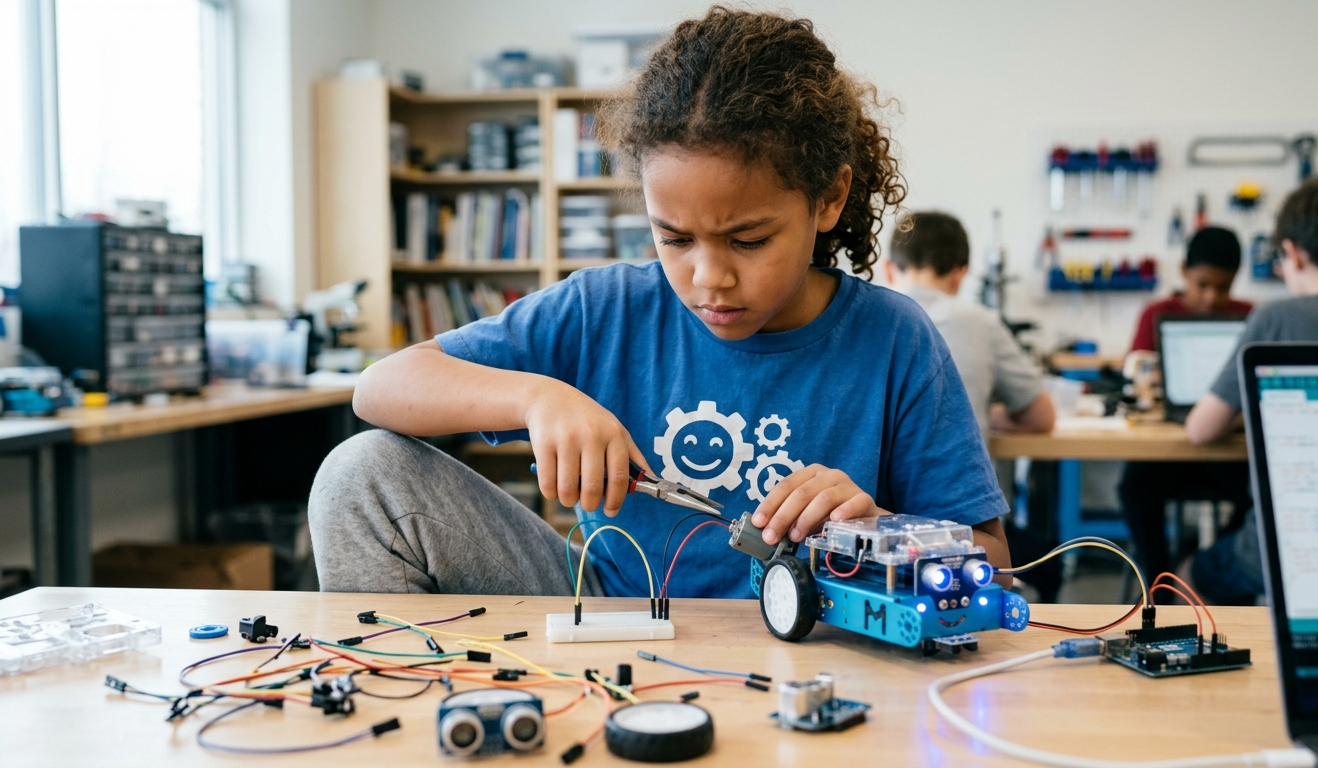
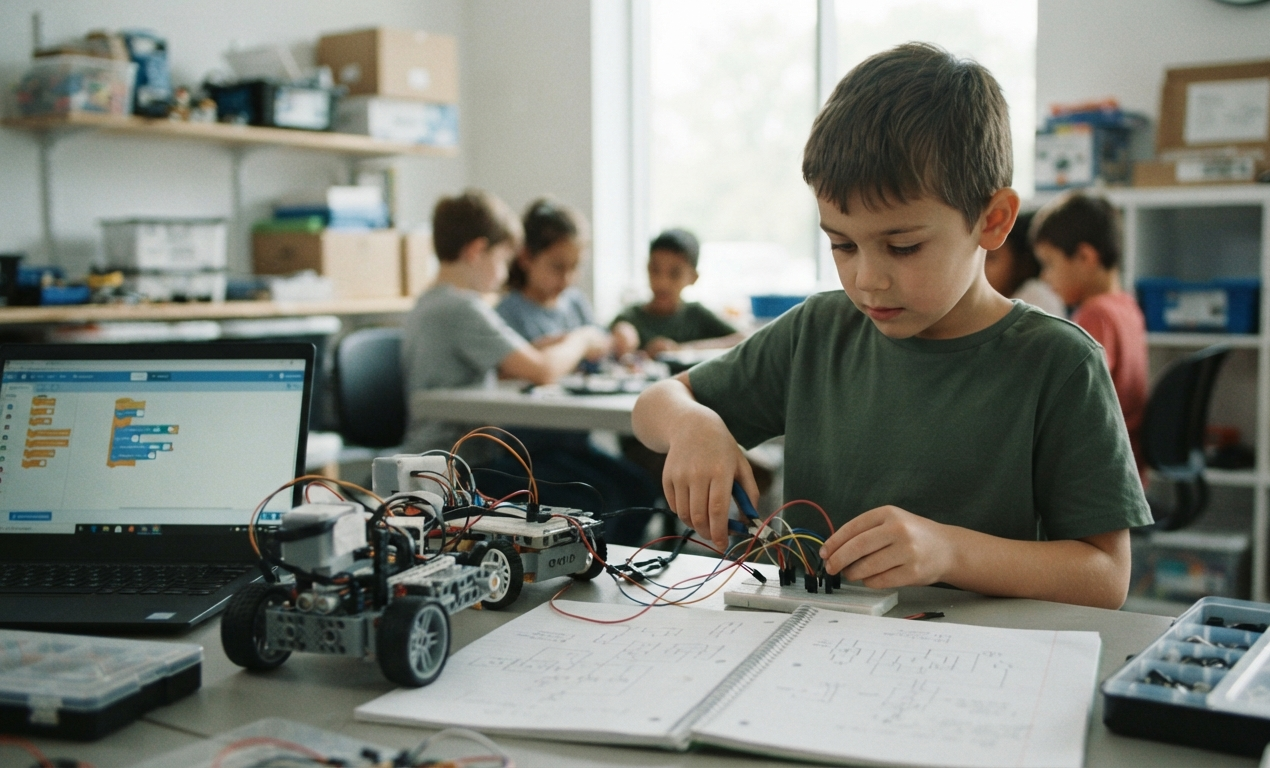
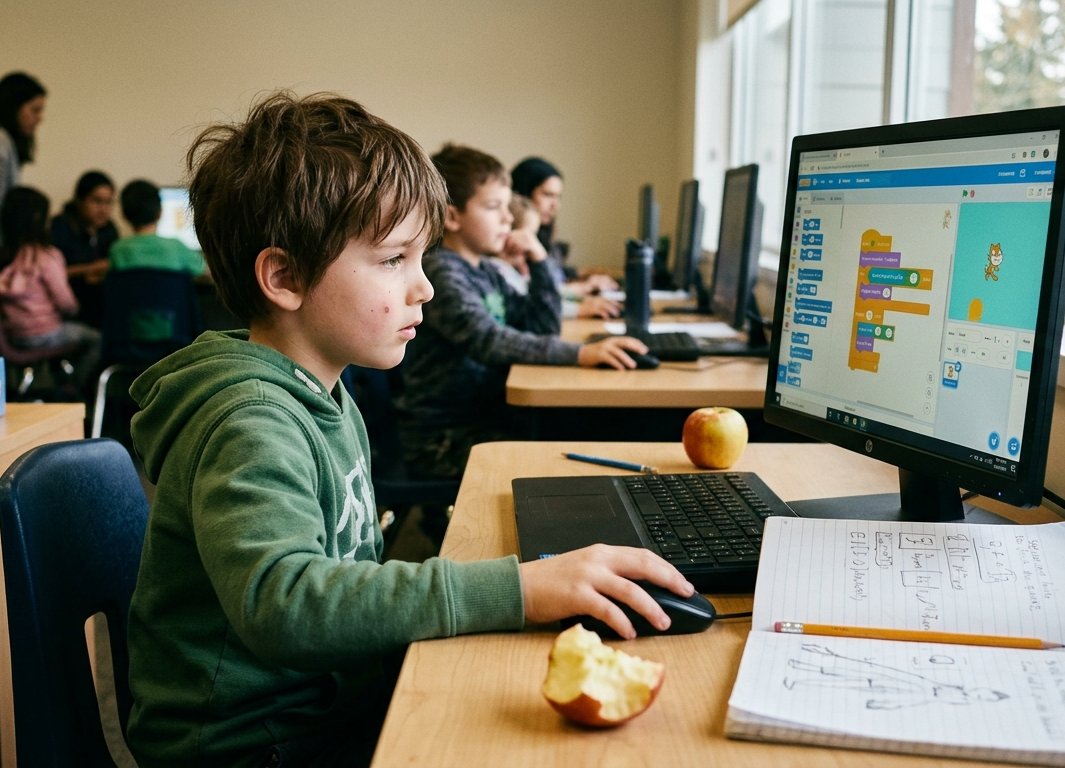
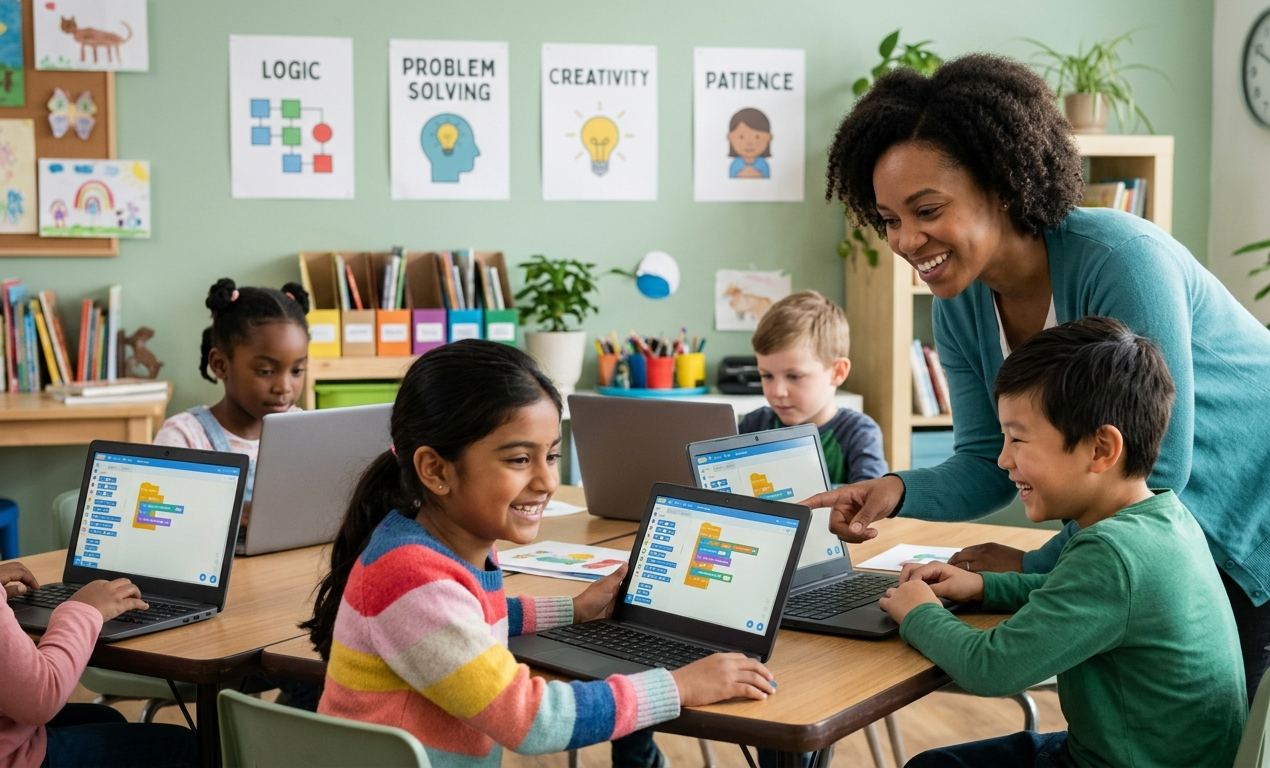
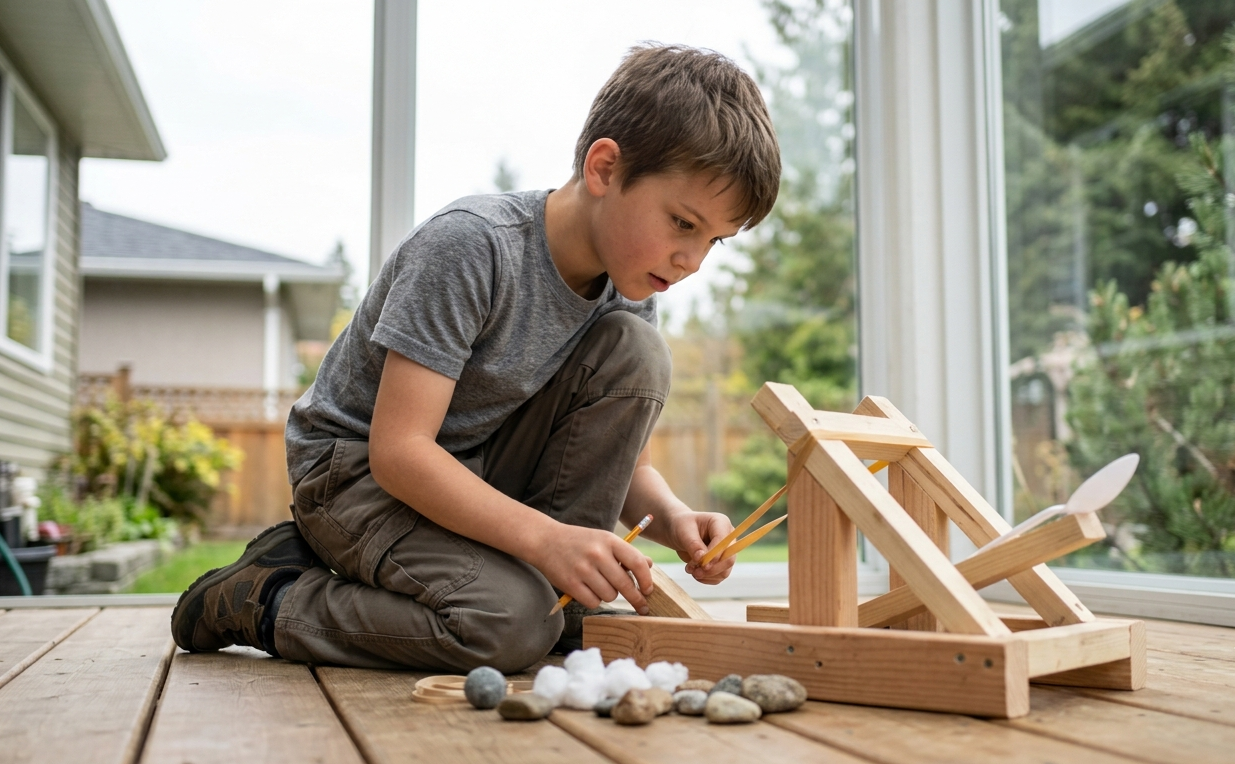
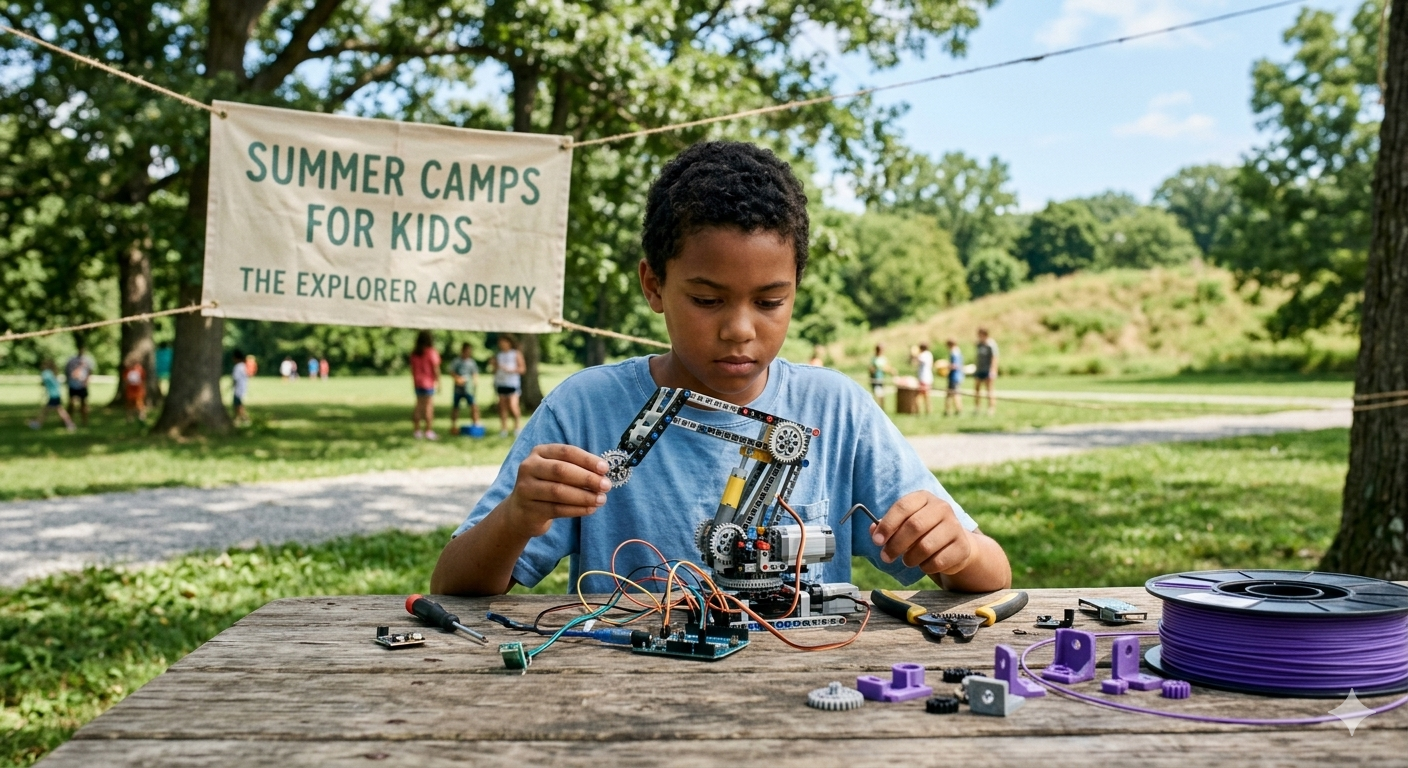
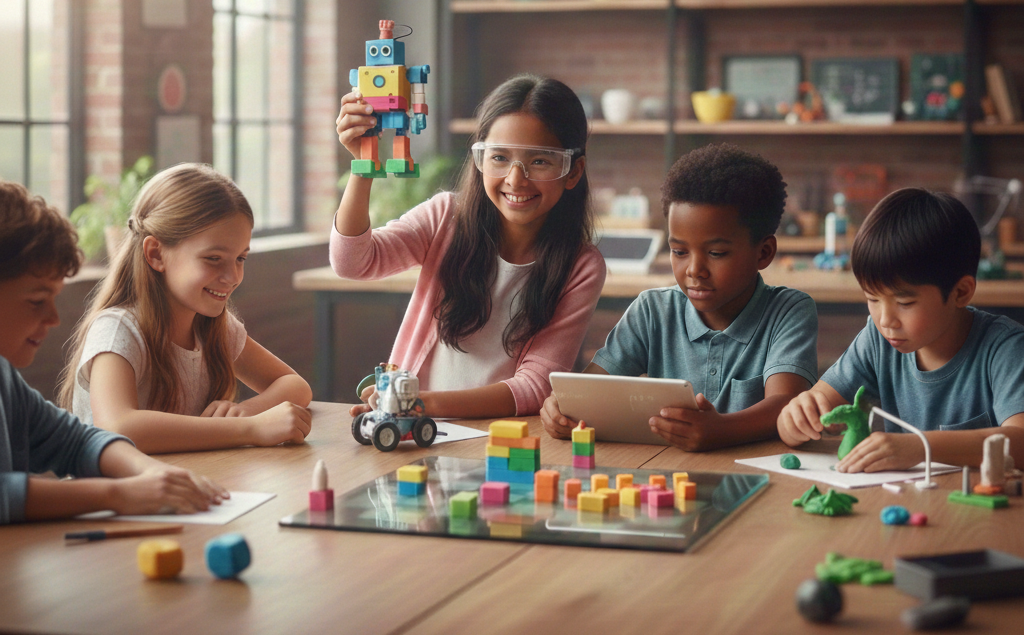
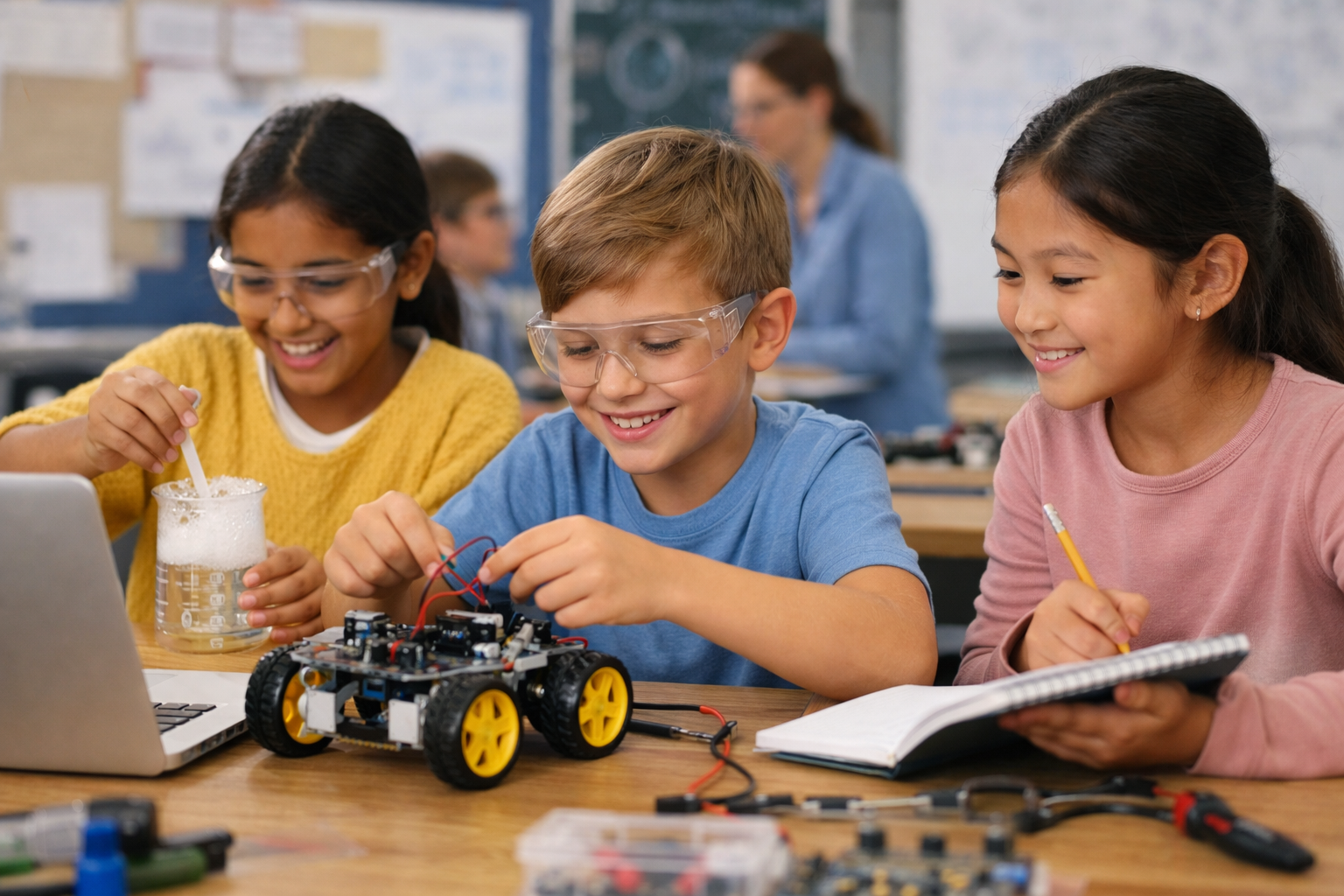
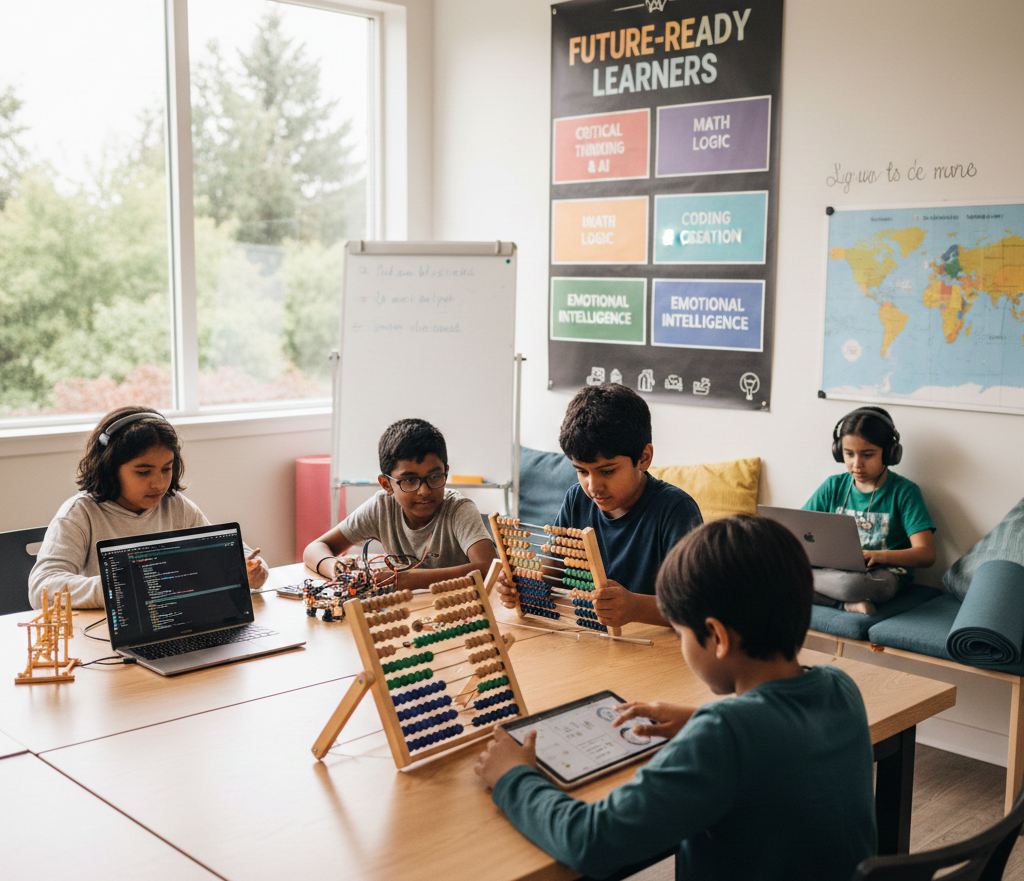
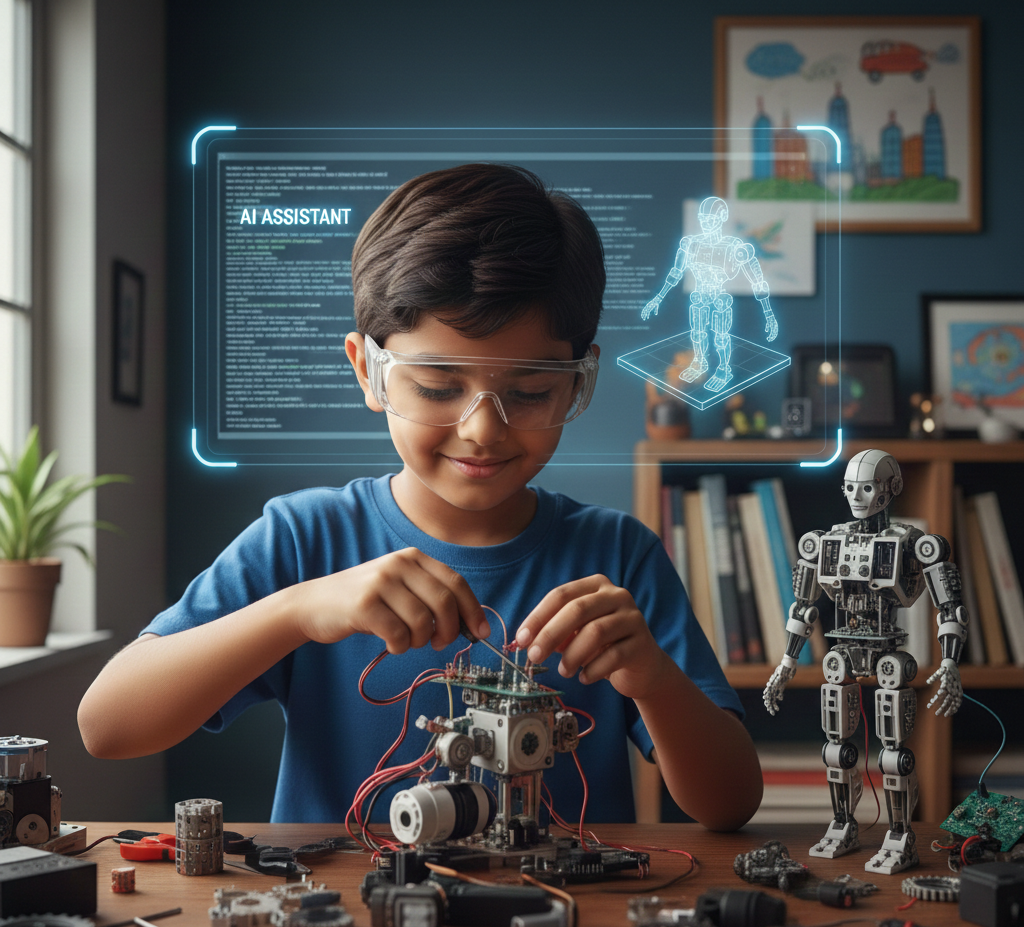
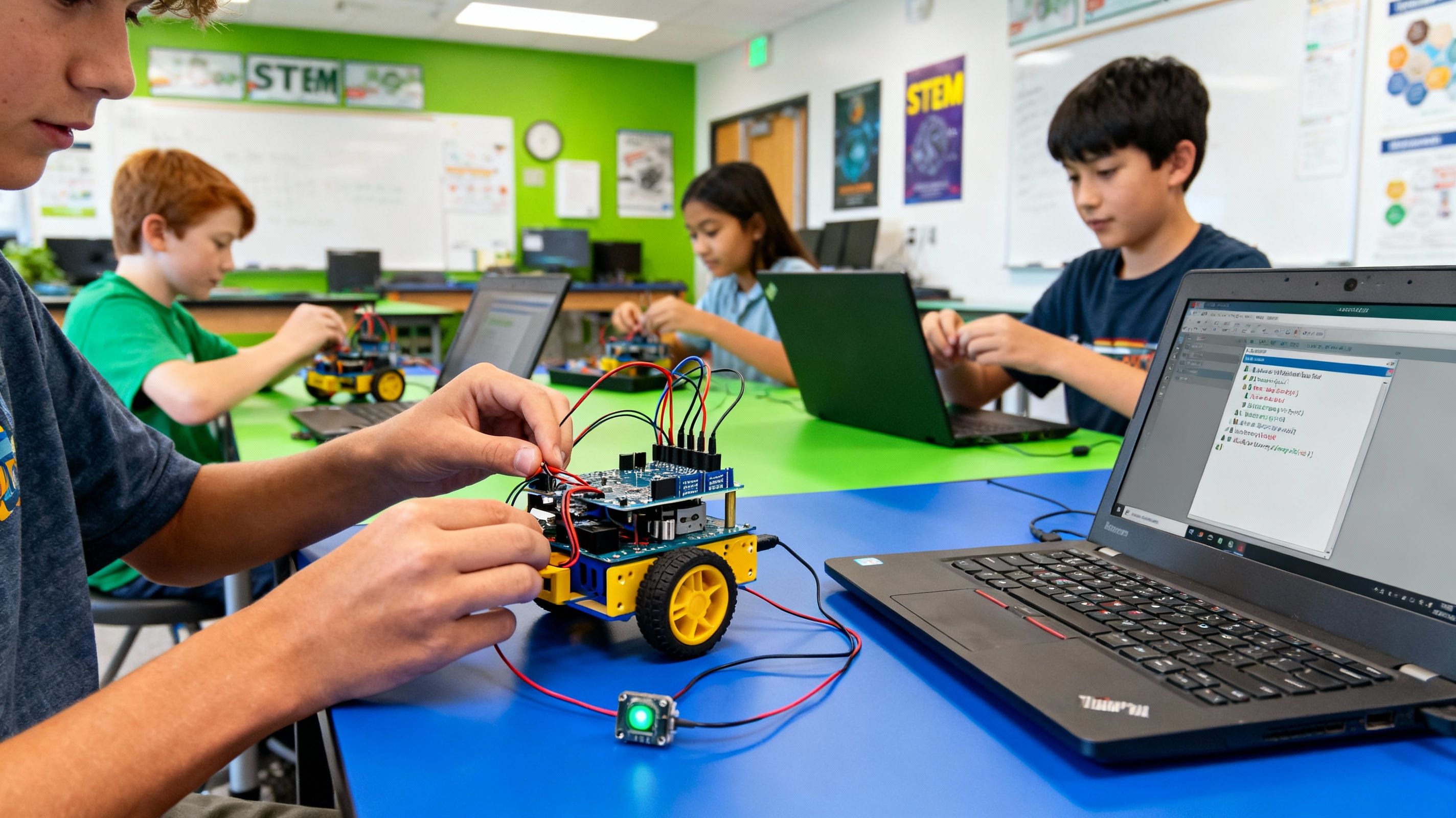
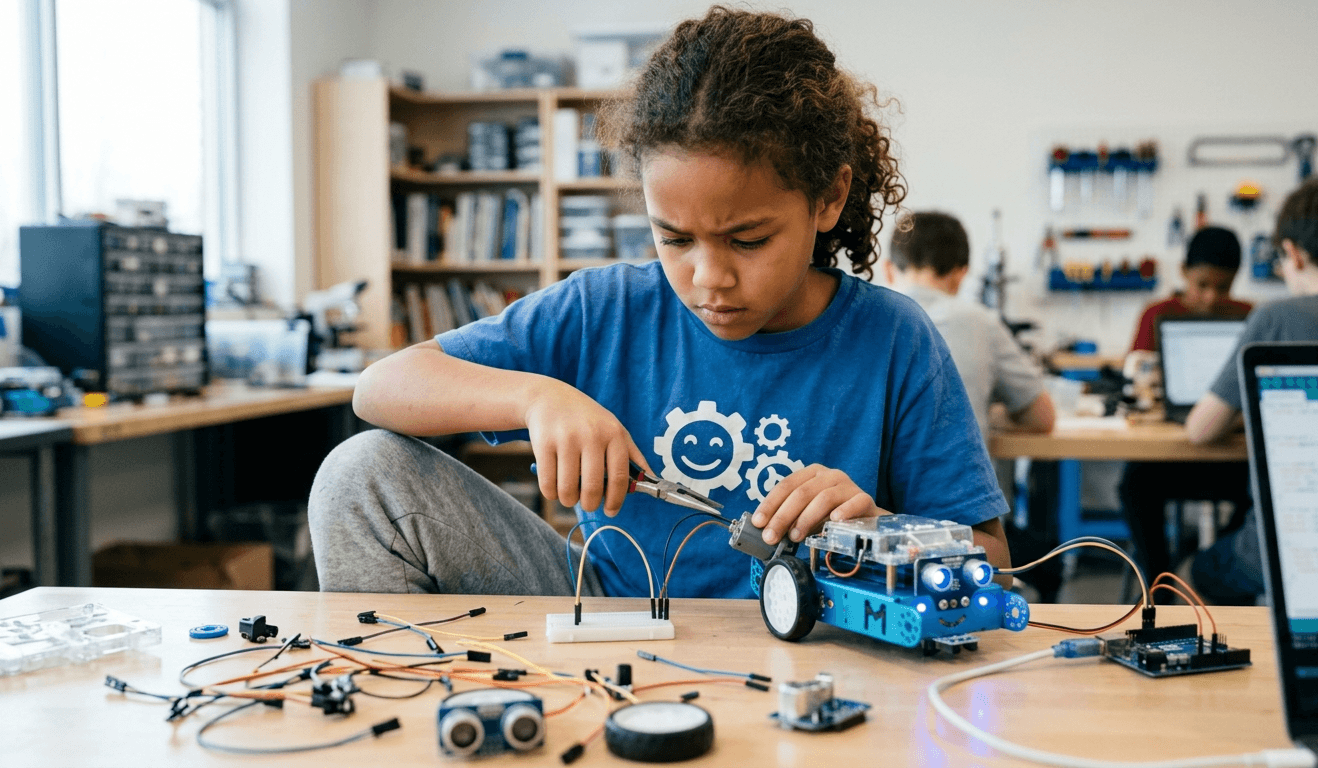
When people think of "robotics," they may picture complex wires and coding. However, effective robotics classes for kids focus on hands-on building and experimentation. Students learn from their mistakes and ultimately succeed in controlling a robot, fueling their interest in technology and enhancing their problem-solving skills.
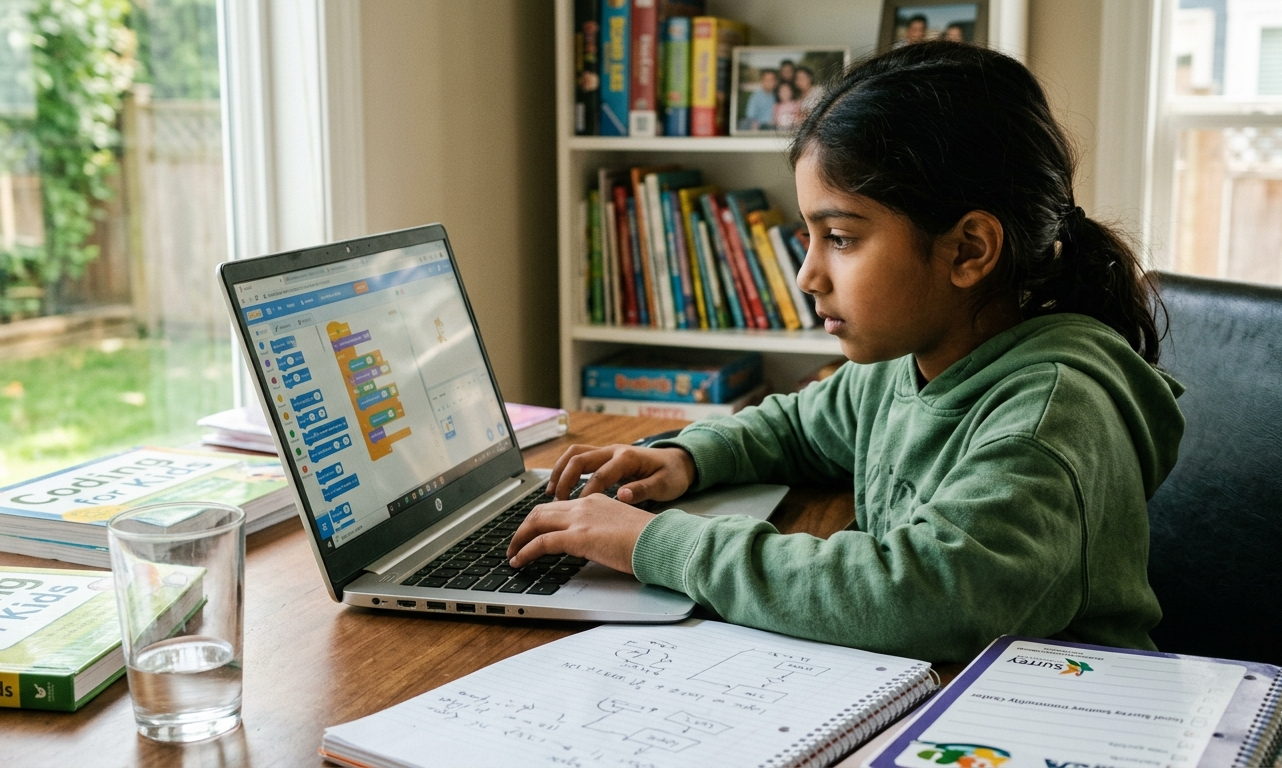
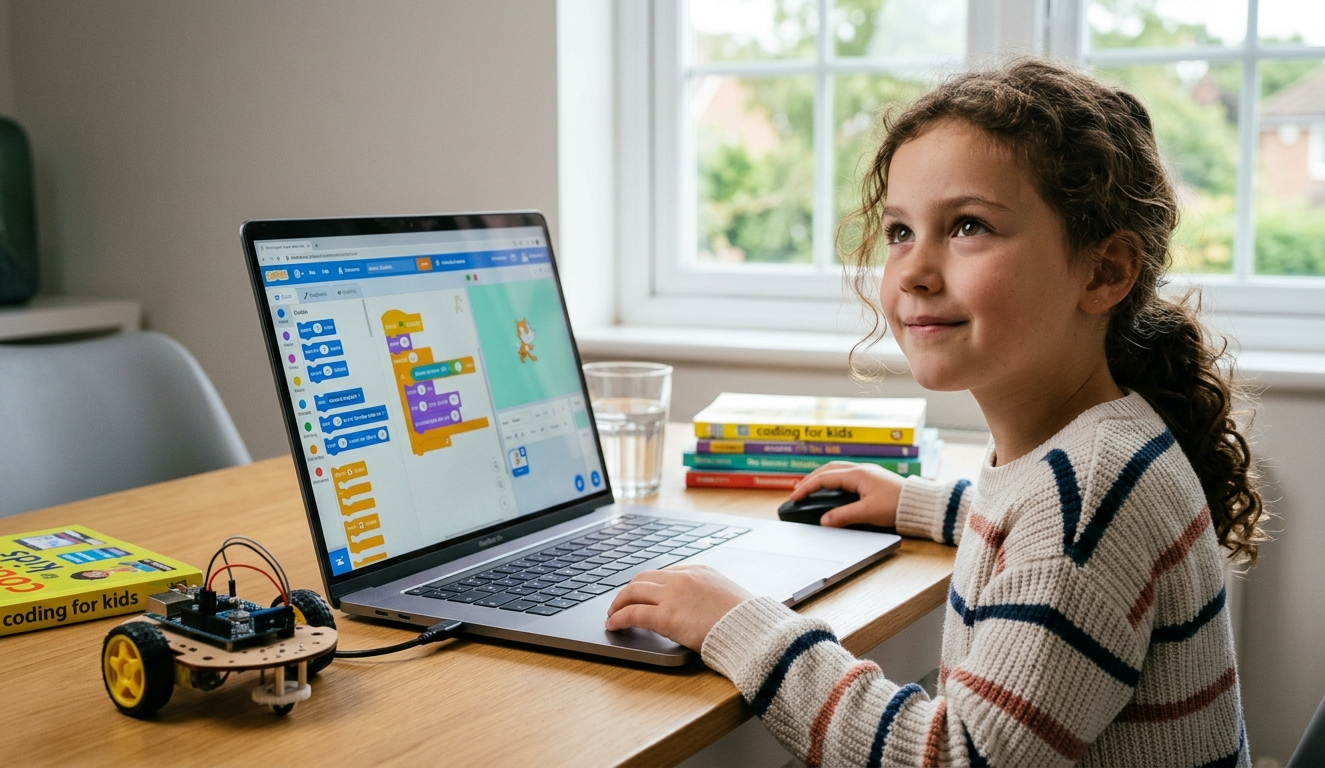
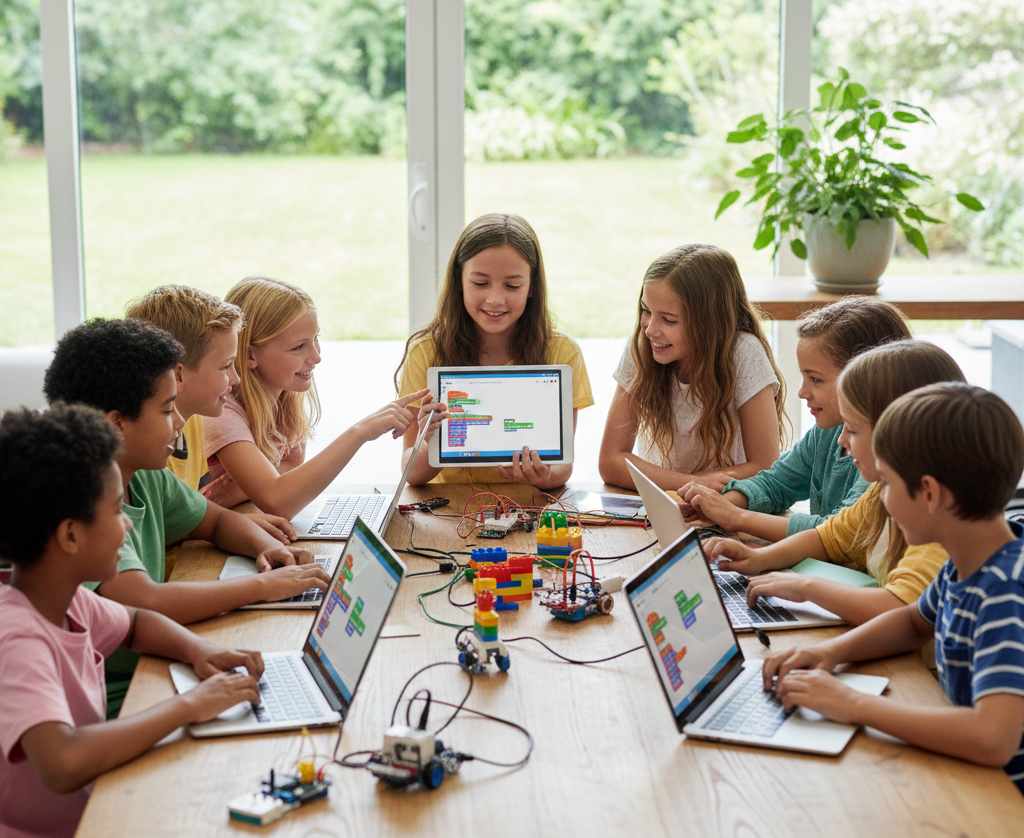
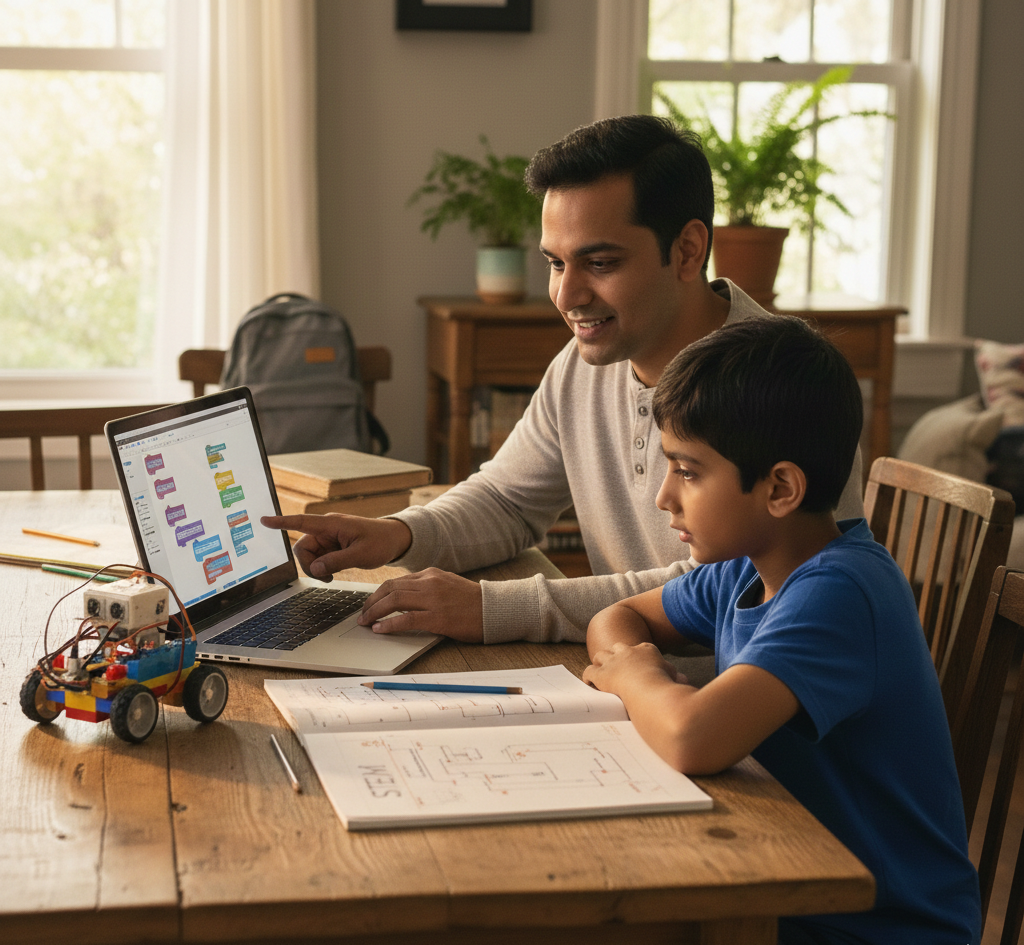
In a world where children spend so much time consuming content, robotics flips the script. Instead of just tapping and swiping, they become creators. They see that “if I change this line of code, my robot turns a little faster” or “if I adjust this sensor, it stops right before the edge of the table.” That kind of immediate cause-and-effect is deeply satisfying for kids and incredibly powerful for their learning.
This is why so many parents are now actively looking for a Vancouver robotics coding class after school rather than one more generic “screen time” club. They are not chasing a fad; they are trying to give their children a chance to experiment, fail safely and figure things out with real-world feedback.
What Kids Miss When They Skip Robotics
So what actually happens when your child never learns robotics?
First, they miss early comfort with the language of technology. Concepts like sensors, algorithms, inputs, outputs and automation stop being mysterious when kids see them in action. A simple obstacle-avoiding robot can teach more about logic and sequencing than a full chapter of a textbook.
Second, they miss practice with the kind of thinking that AI-heavy workplaces will expect as normal. Debugging a robot is not just technical; it is emotional. A child has to notice what went wrong, stay calm, think step by step and try again. That builds patience, resilience and confidence in a way that “perfect homework” rarely does.
Third, they miss a chance to see themselves as someone who belongs in tech spaces. This might be the quietest but most important point. When classmates talk about building projects, joining coding competitions, or working with robots, a child who has never tried these things may start believing, “This is not really for me.” That mindset can follow them into high school subject choices and even career decisions.
Parents who look for coding and robotics classes in Surrey are often trying to close exactly this gap: “I want my child to feel at home around technology, not scared of it or left out.”
The AI Era Doesn’t Just Need Users
AI is already woven into homework tools, games, messaging apps and search. Children are surrounded by it, but that does not automatically mean they understand it. A child who only ever interacts with AI as a black box (“I ask, it answers”) may learn to rely on it, but not to question it, improve it or build with it.
Robotics serves as a bridge. Kids see a system respond to their code and their design decisions. They learn that machines are not magical; they are logical. This understanding makes a huge difference later when they encounter AI tools at school or work. Instead of feeling like “this knows more than me,” they recognise patterns, limitations and possibilities.
In places like Surrey and Vancouver, where families have growing access to robotics classes for kids and mixed programs like a Vancouver robotics coding class after school, that bridge is becoming easier to cross. The choice is no longer “robotics or nothing.” The real decision is whether to take advantage of this window while kids are still naturally curious.
Why Programs Like Explorer Academy Matter
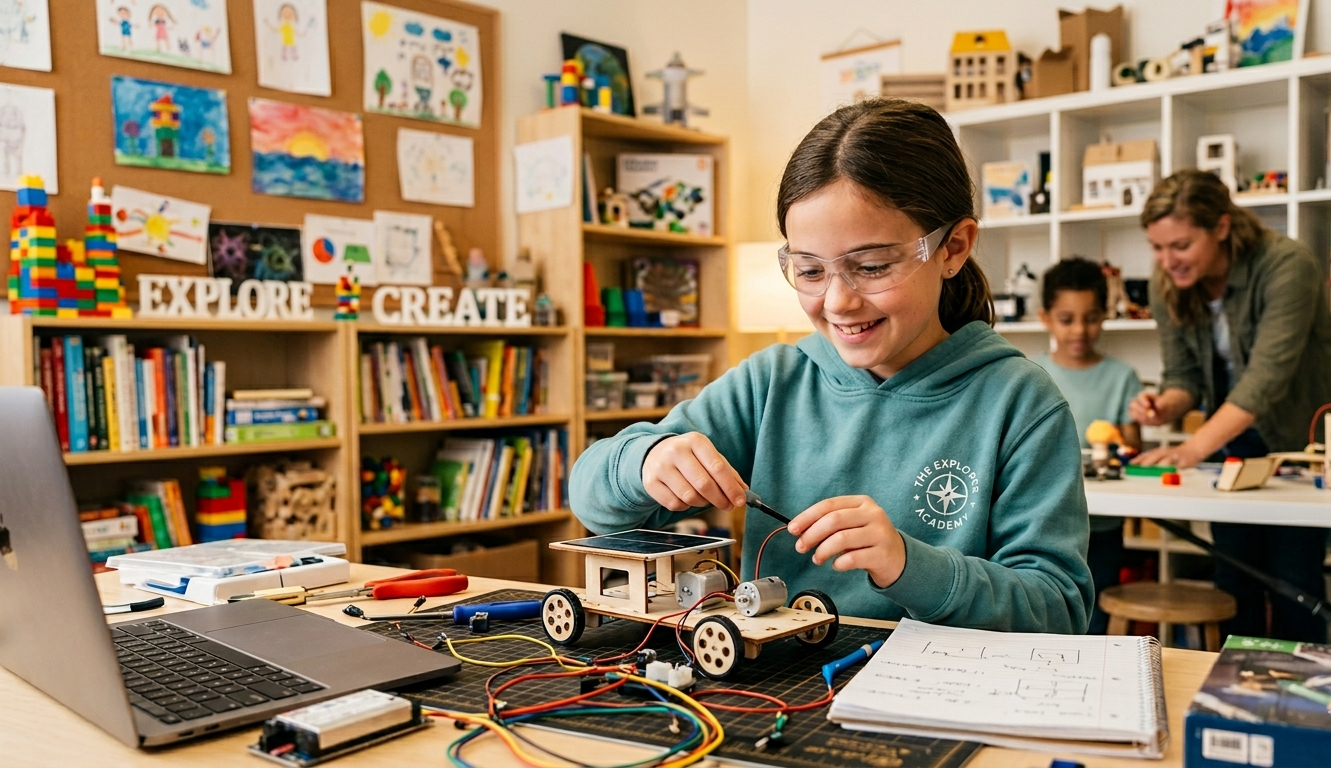
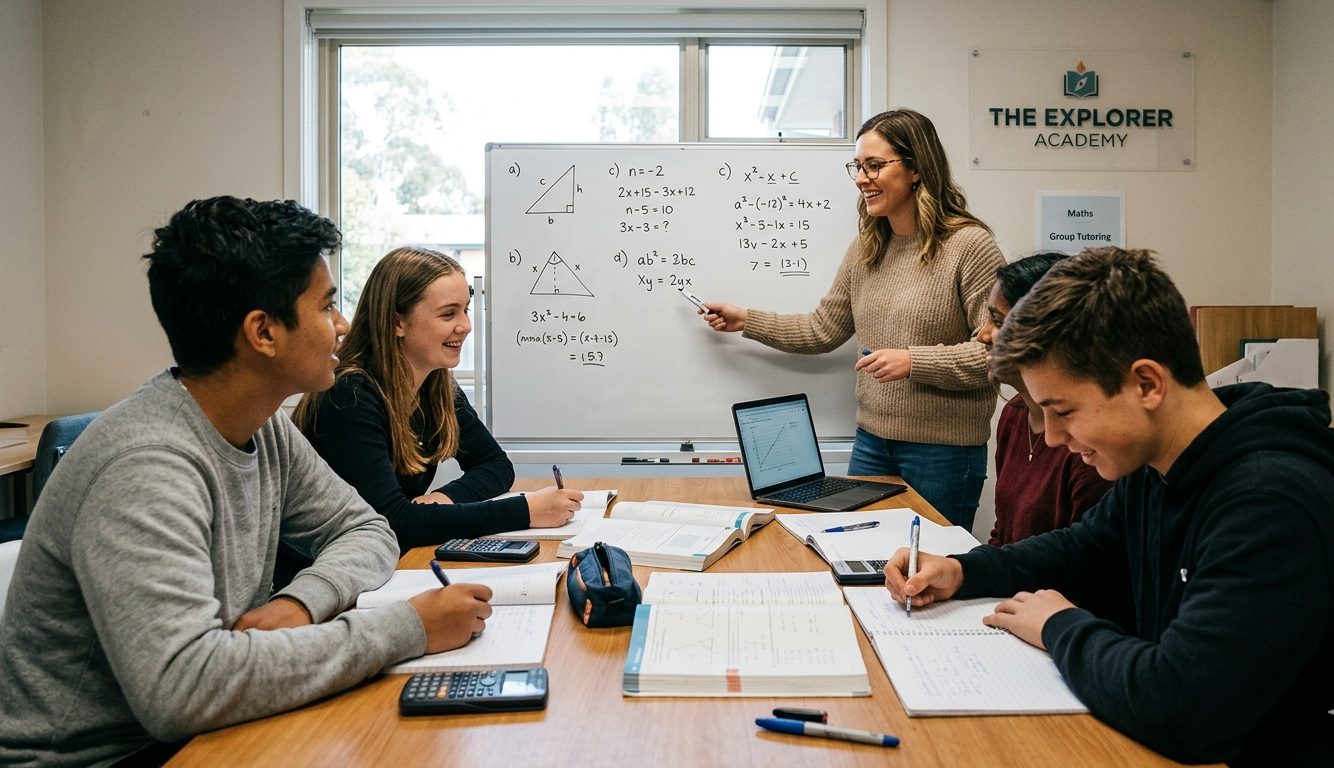
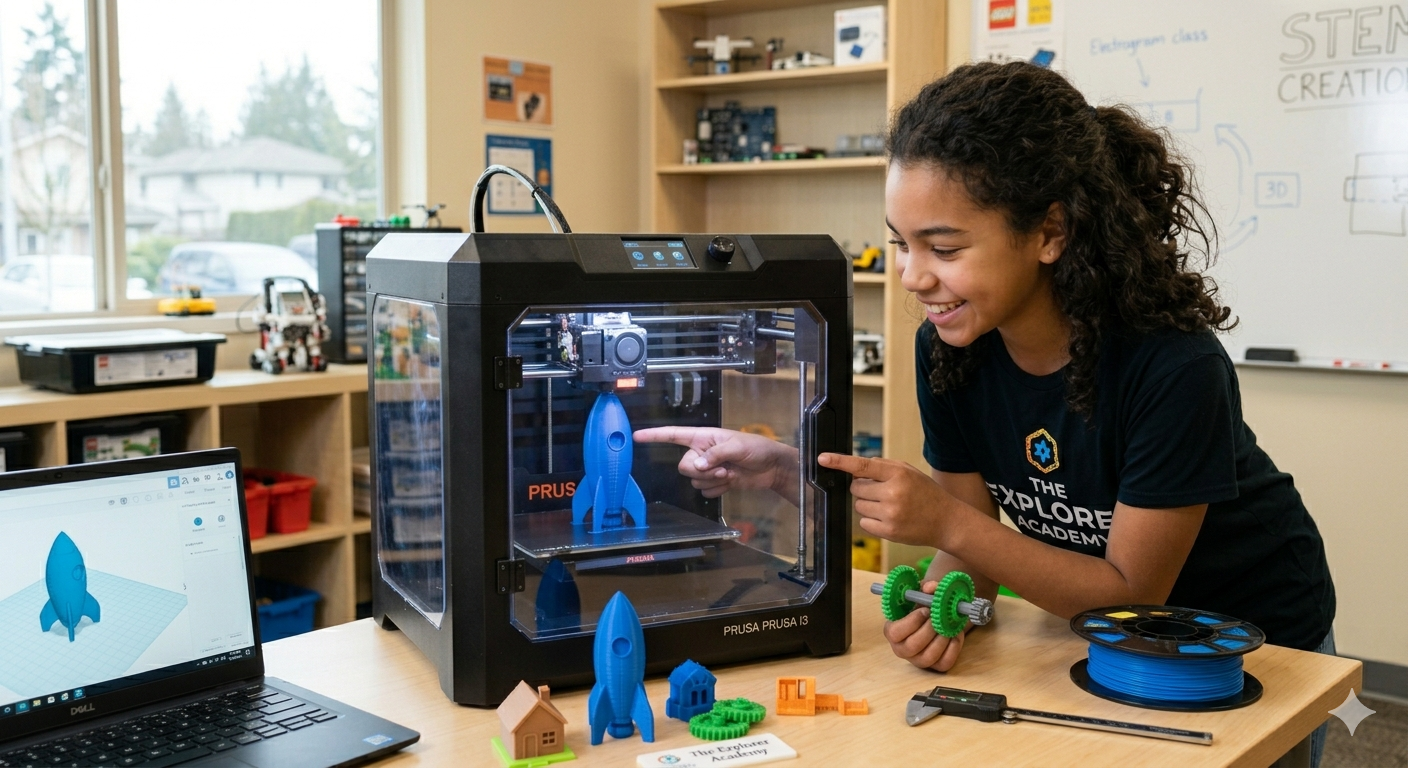
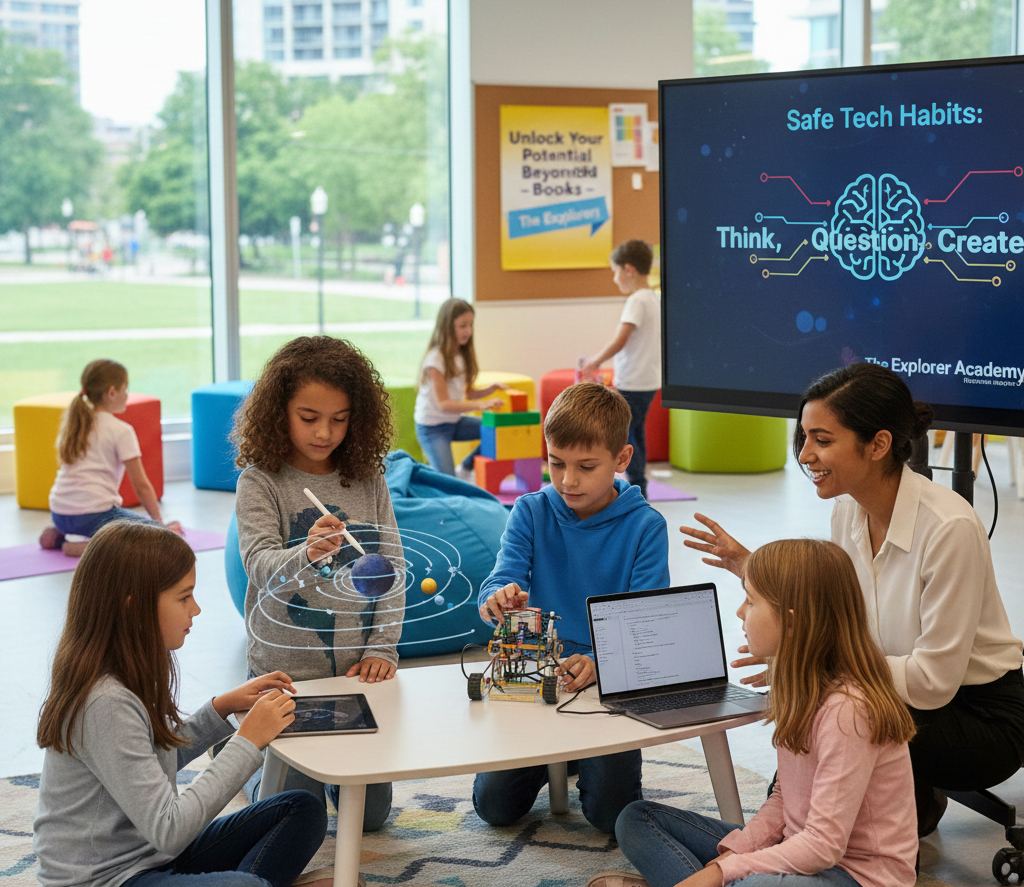
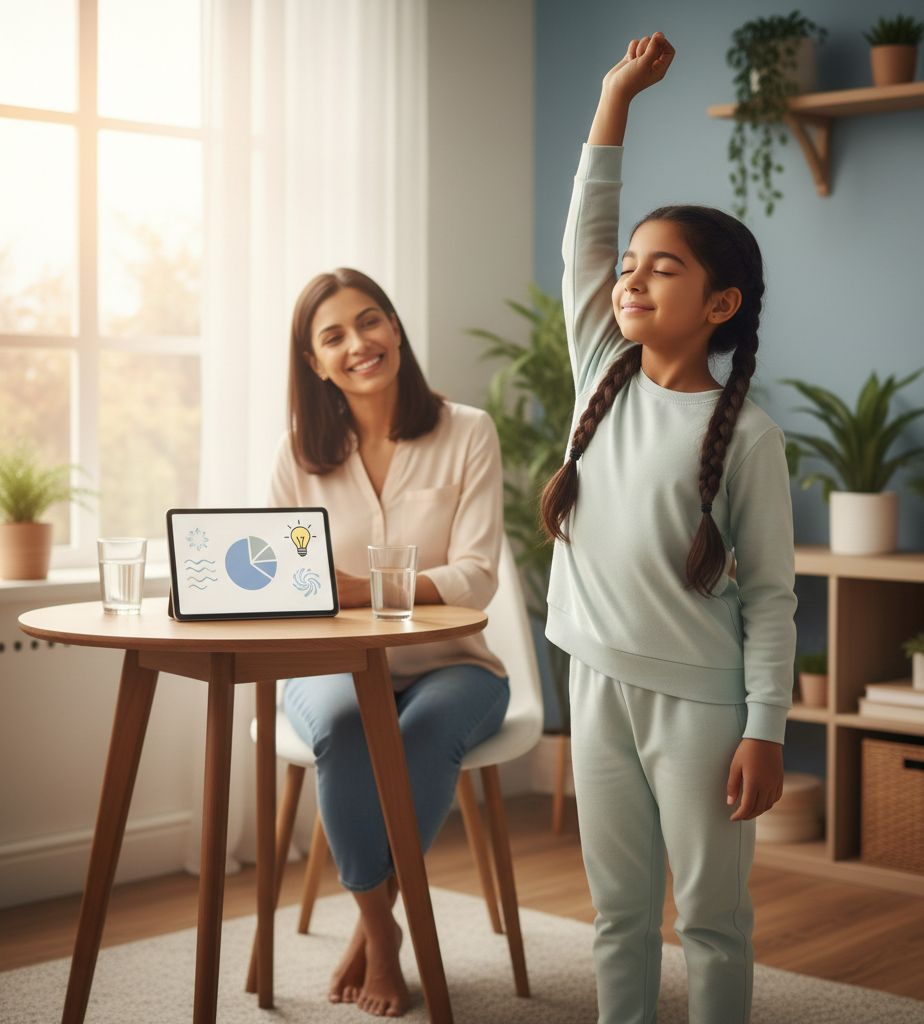
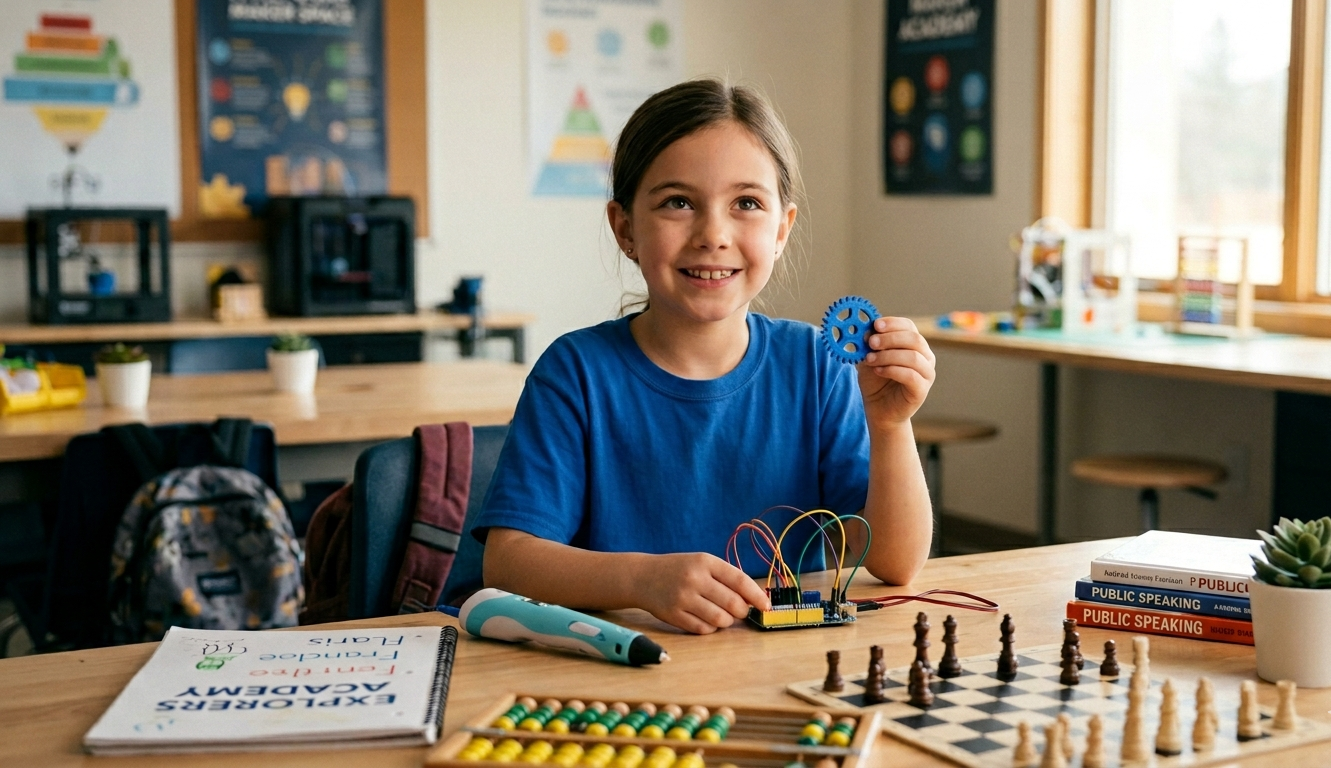
At Explorer Academy, robotics is more than a technical subject; it’s integrated with digital safety, emotional awareness and practices like yoga and mindfulness. Children learn not only to connect circuits and write code but also how to manage their energy and focus their minds. This holistic approach is essential because a calm and curious child is more likely to develop a passion for STEM.
Families searching for robotics classes for kids in Surrey often appreciate environments that prioritize movement, reflection and digital wellness.
Considering enrolling your child in coding and robotics classes, consider reframing your question. Whether you want them to be able to navigate the AI-driven world we live in and feel confident in doing so. Robotics in today’s AI-driven world is as necessary as learning to swim is for those who live in coastal towns.
About Exp Academy
Educator and contributor at The Explorer Academy, dedicated to engaging and enrichment-focused learning for kids.