Teaching Kids Safe Technology Habits in the Age of AI
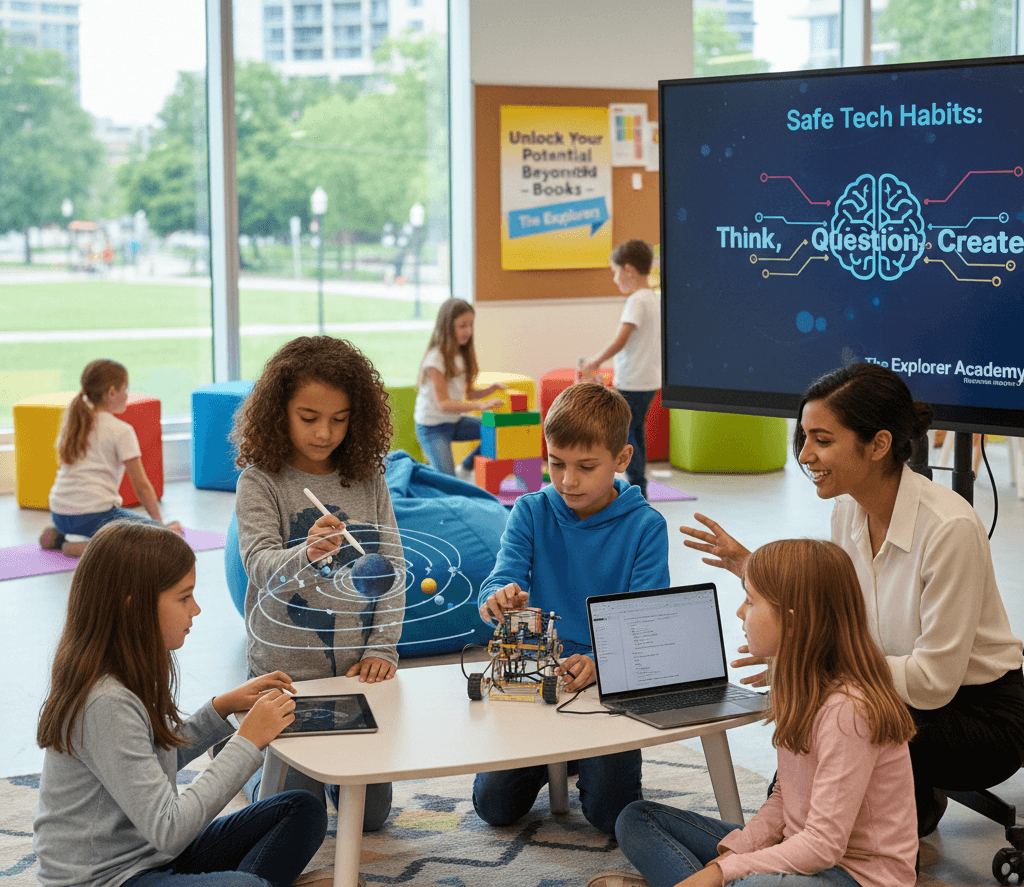
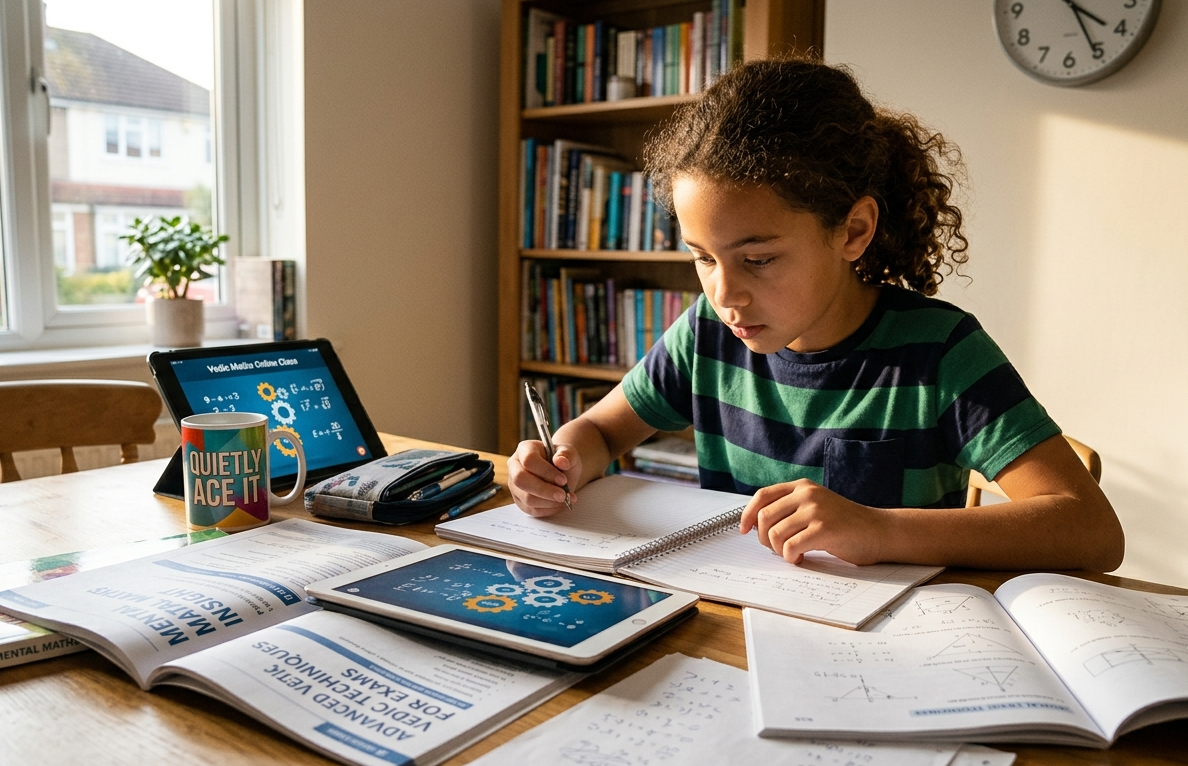
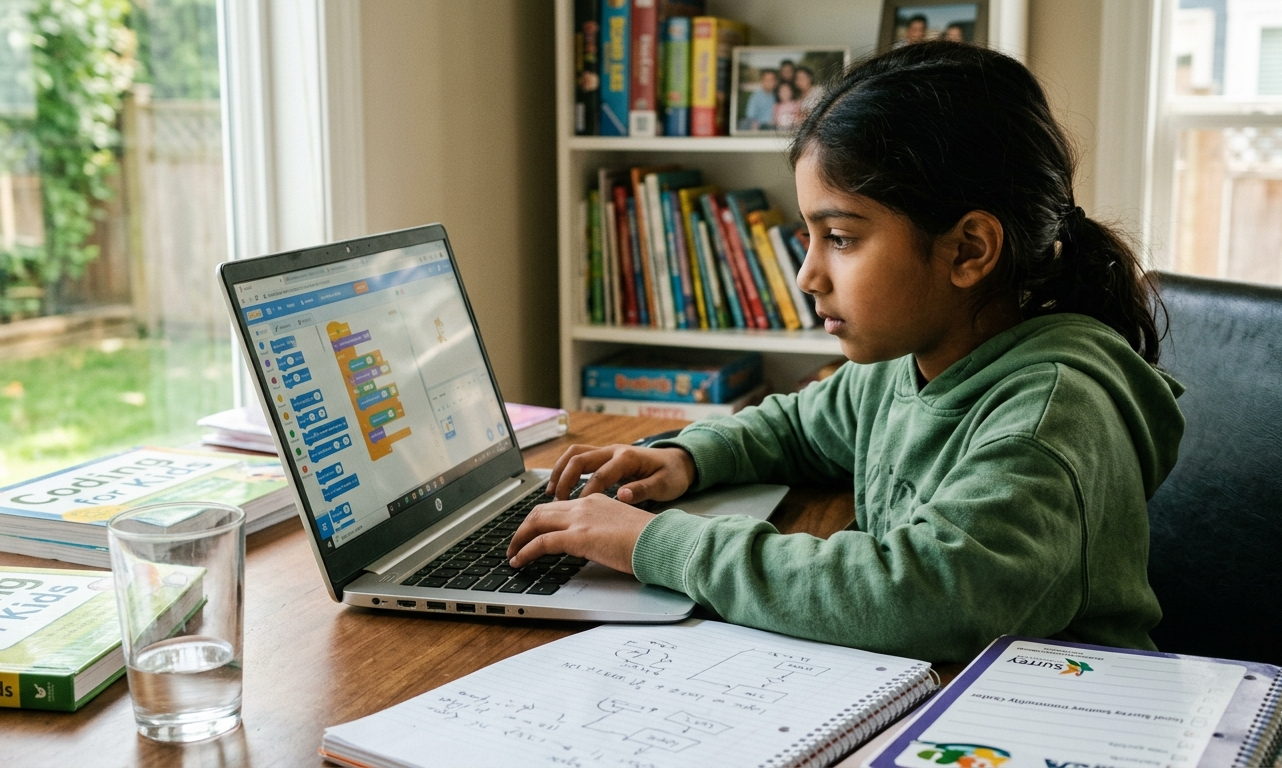
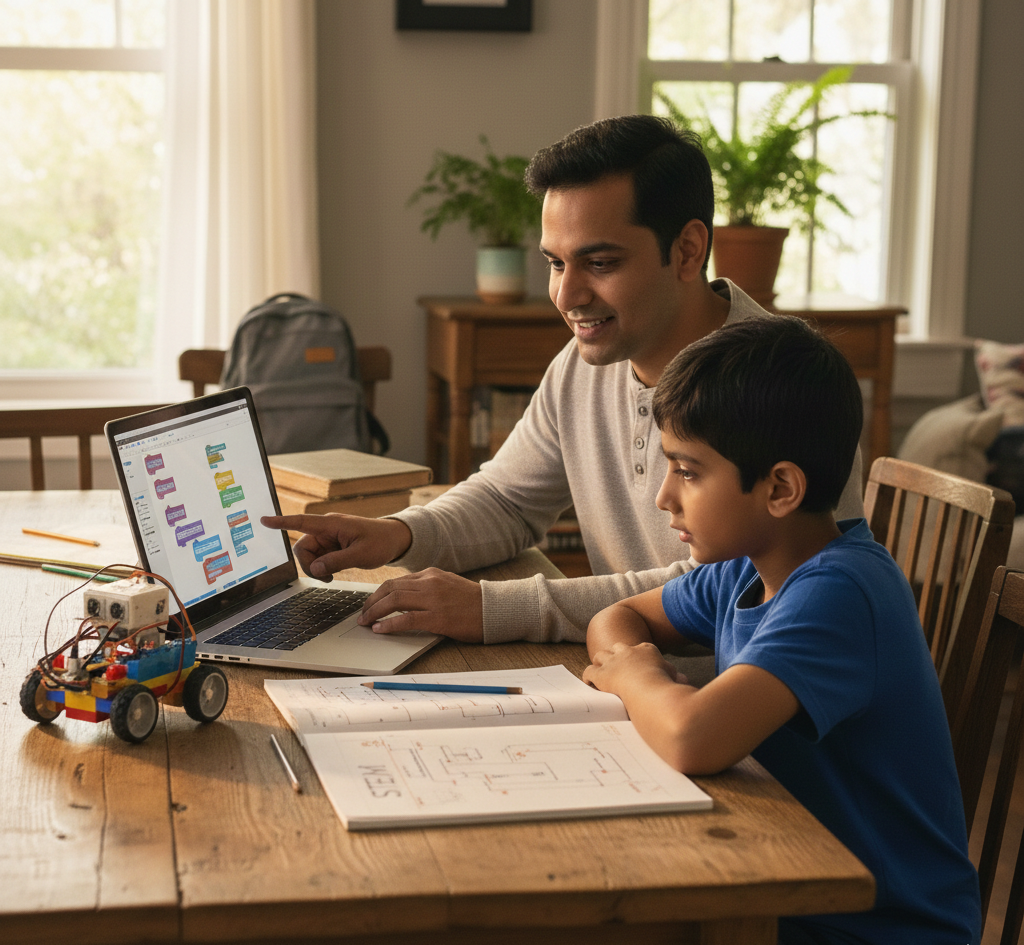
Artificial intelligence is no longer a distant concept — it is already part of how children study, research, and interact with the digital world. AI Tools assistant can make learning faster and more interactive but without guidance they can also shape habits that reduce focus, independence and critical thinking.
This is why parents today are asking an important question: How do we help children use powerful technology without becoming dependent on it? The answer lies in teaching safe, mindful technology habits early before unhealthy patterns form.
Why Is Teaching Safe Technology Habits Important for Kids Today?
Children now grow up surrounded by instant-answer systems. While convenient, this environment can encourage shortcut learning. Without guidance, many children begin to:
- depend on AI instead of solving problems step by step
- struggle to maintain attention for longer tasks
- assume online information is always accurate
- overlook privacy and online safety risks
Teaching safe technology habits helps children use AI as a thinking partner, not a thinking replacement — a skill that is quickly becoming essential for academic and future career success.
What Are Safe Technology Habits Every Child Should Learn?
Safe technology use is not just about reducing screen time. It is about building awareness and self-discipline. Key habits include:
- protecting personal information online
- checking the reliability of digital information
- using AI tools ethically and responsibly
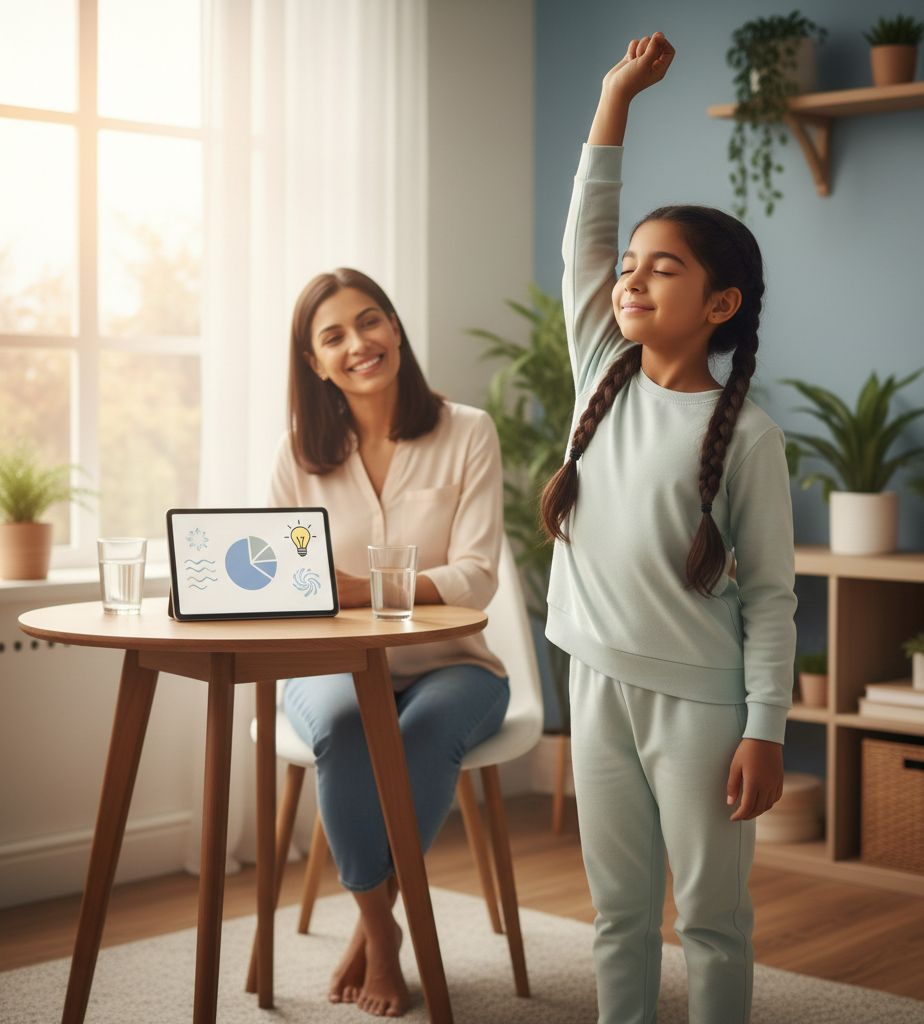
- balancing digital learning with physical activity and mental breaks
When children learn these habits early, technology becomes a tool that supports growth rather than a distraction that limits it.
Are AI Tools Like ChatGPT Helping or Hurting Children’s Learning?
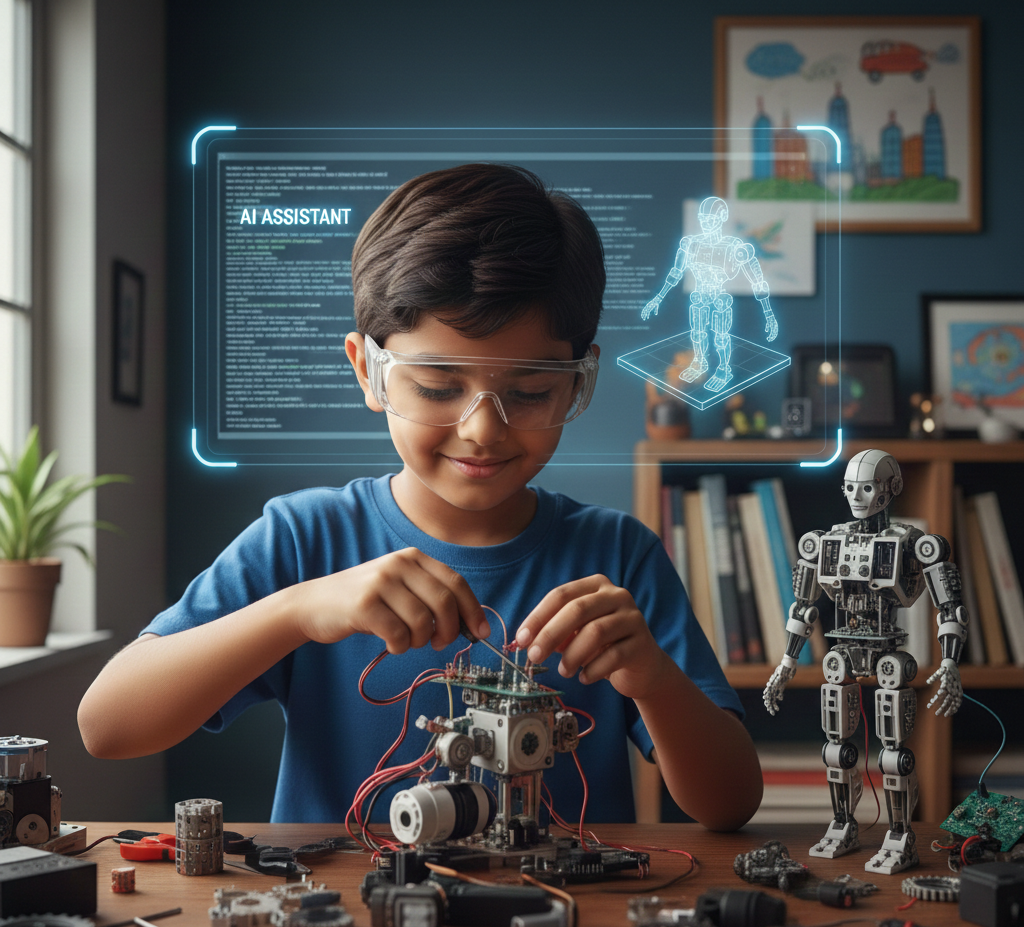
AI tools can significantly enhance learning when used correctly. They can explain difficult concepts, provide examples and spark curiosity. The challenge arises when children rely on them for quick answers instead of understanding the process behind the solution.
The goal is not to restrict AI — it is to teach children how to question AI responses, verify information, and apply what they learn independently. This approach strengthens thinking skills instead of weakening them.
At What Age Should Kids Learn Digital Safety and AI Awareness?
Earlier than most parents expect. Digital habits begin forming as soon as children start using devices for schoolwork or entertainment. Teaching safe usage during elementary years helps children:
- build stronger focus and self-control
- develop responsible online behavior
- understand privacy and security basics
- become confident and independent learners
Waiting until the teenage years often means trying to correct habits that are already deeply established.
How Do Balanced STEM Programs Help Children Use Technology Responsibly?
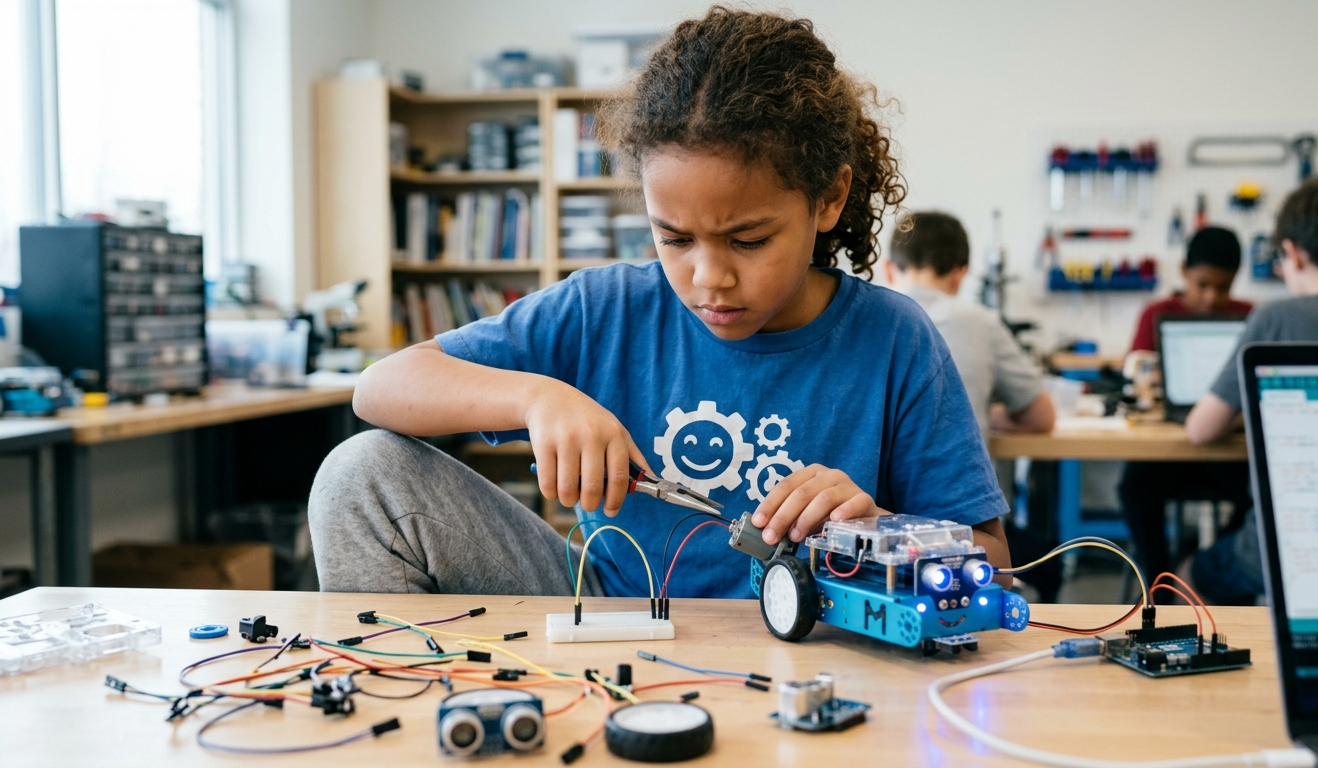
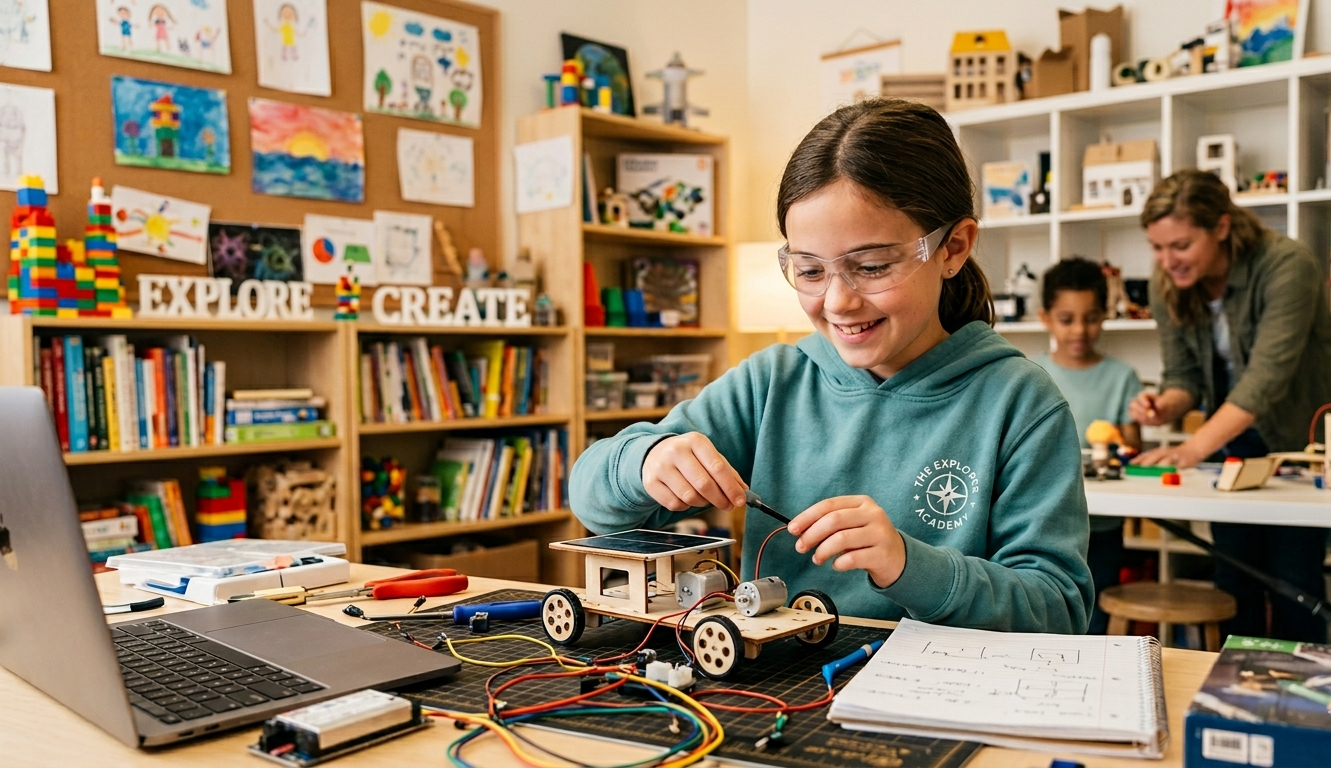
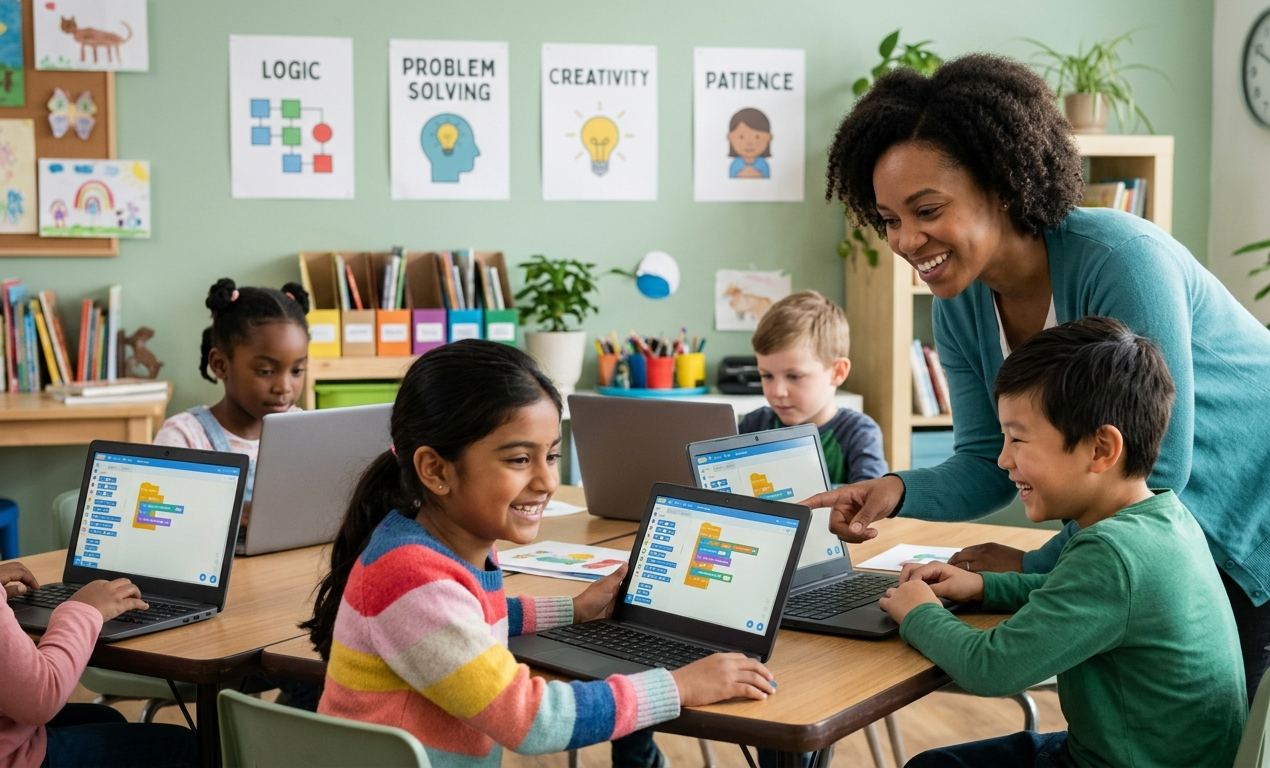
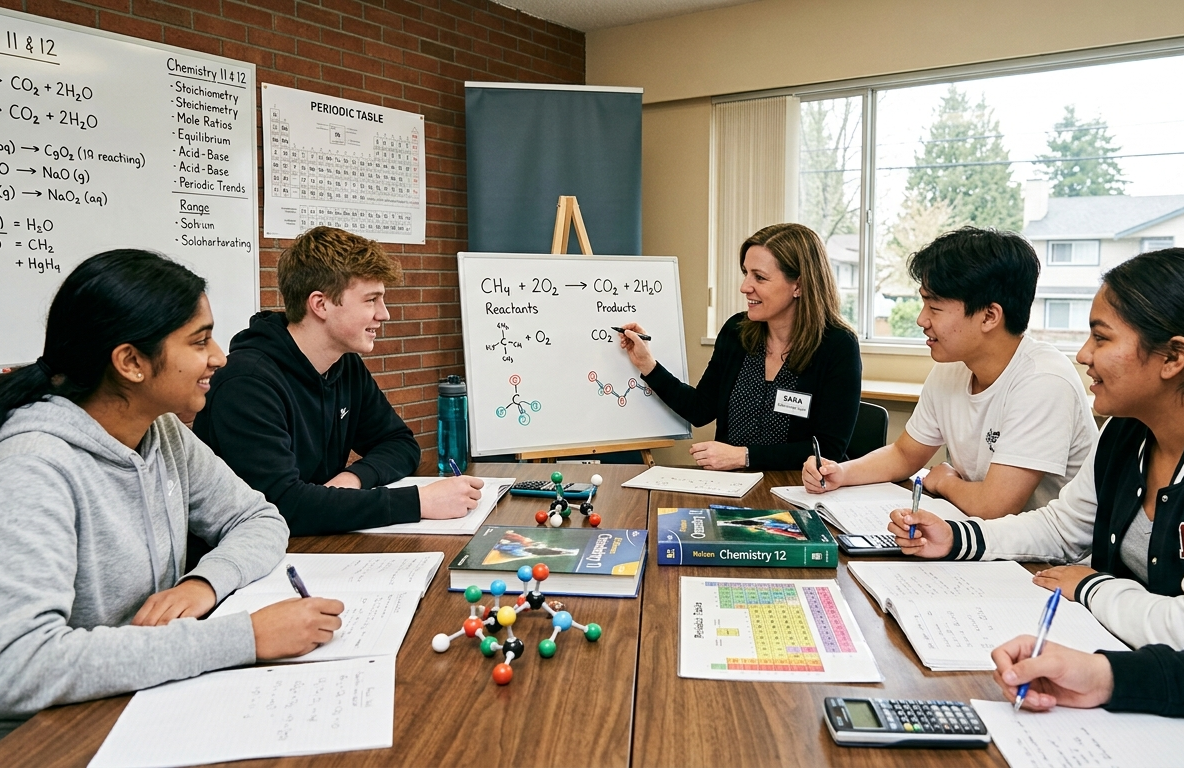
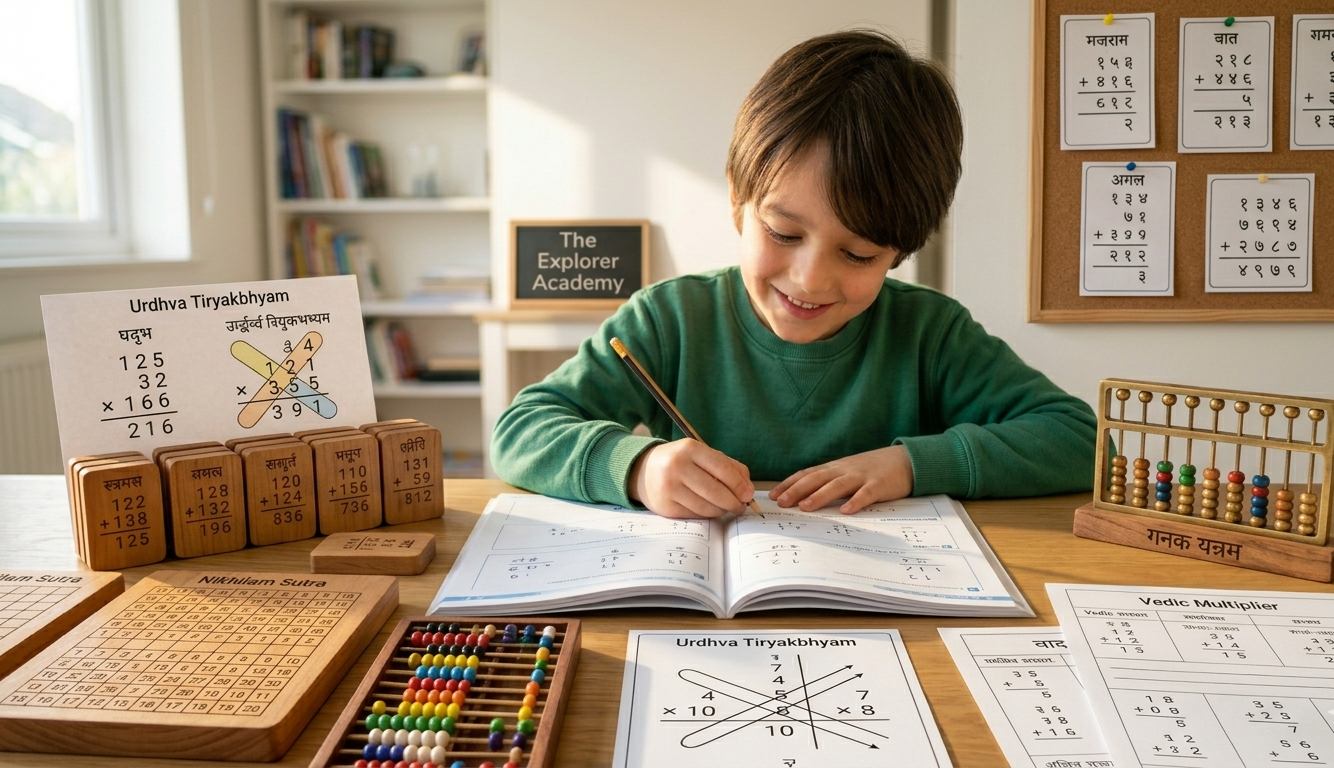
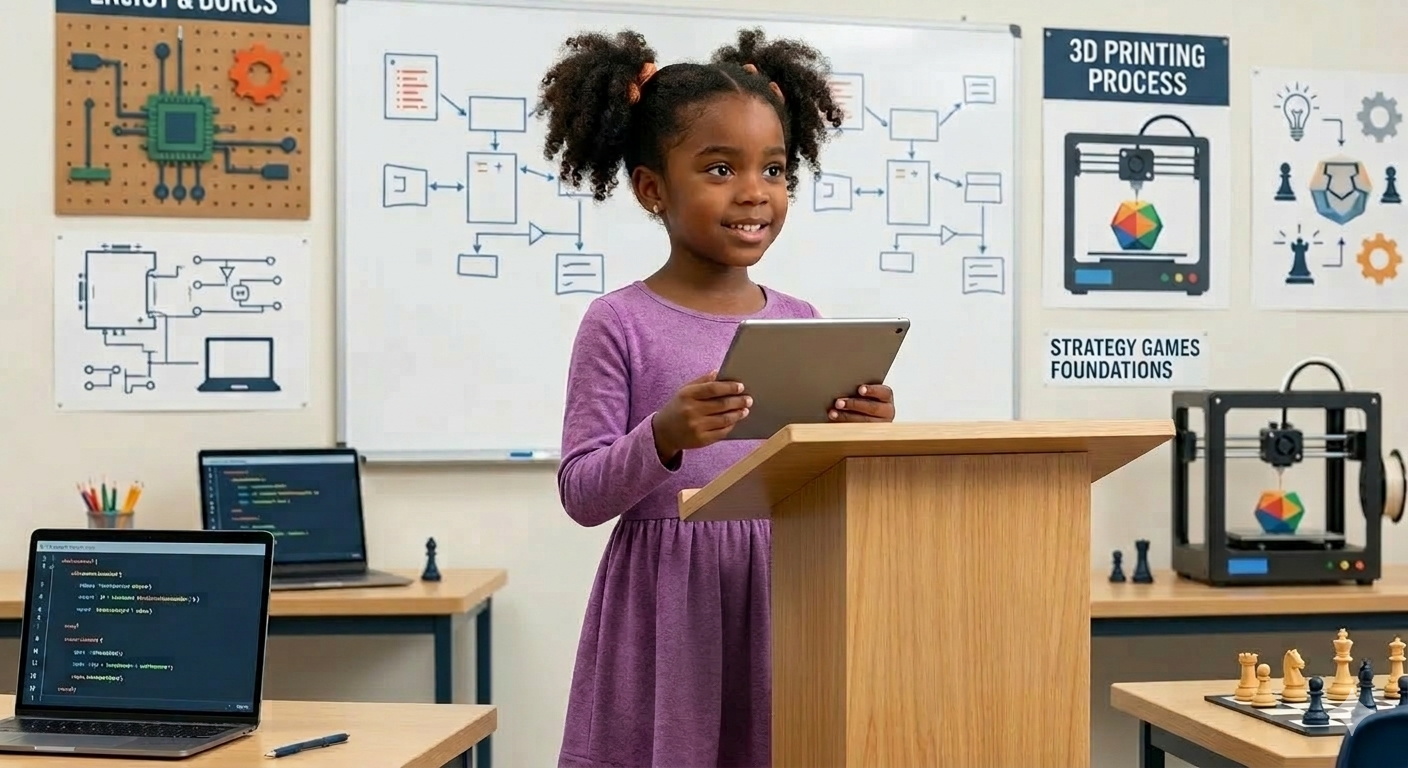
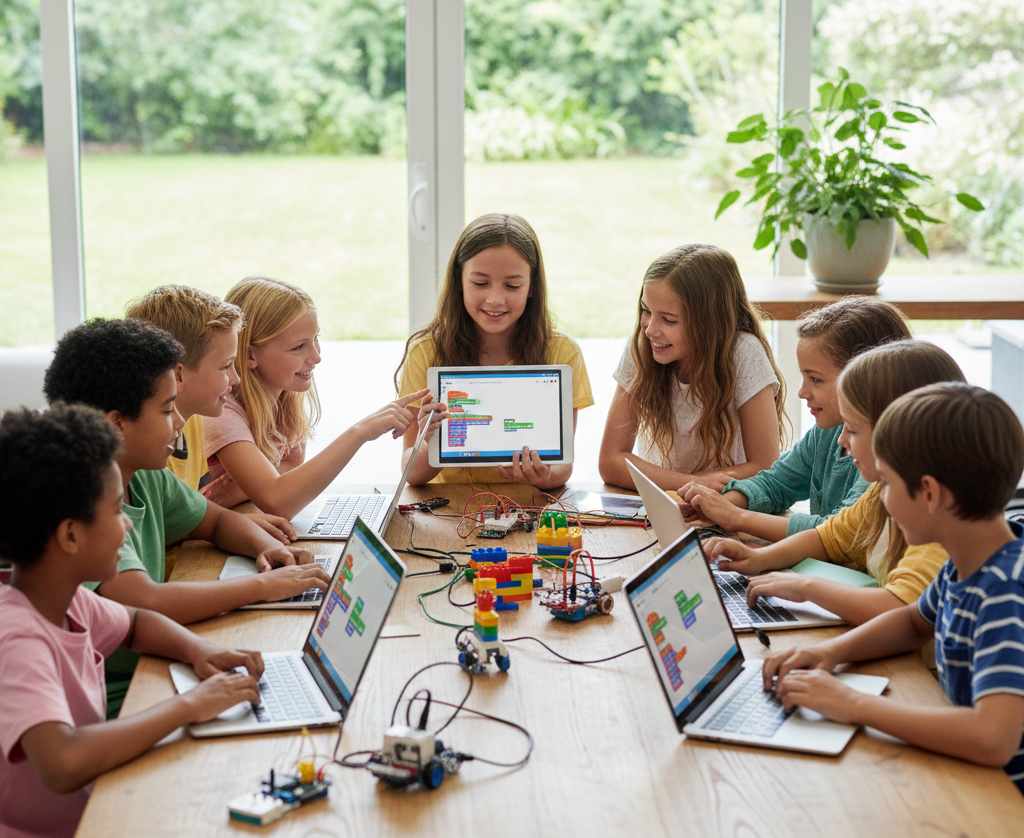
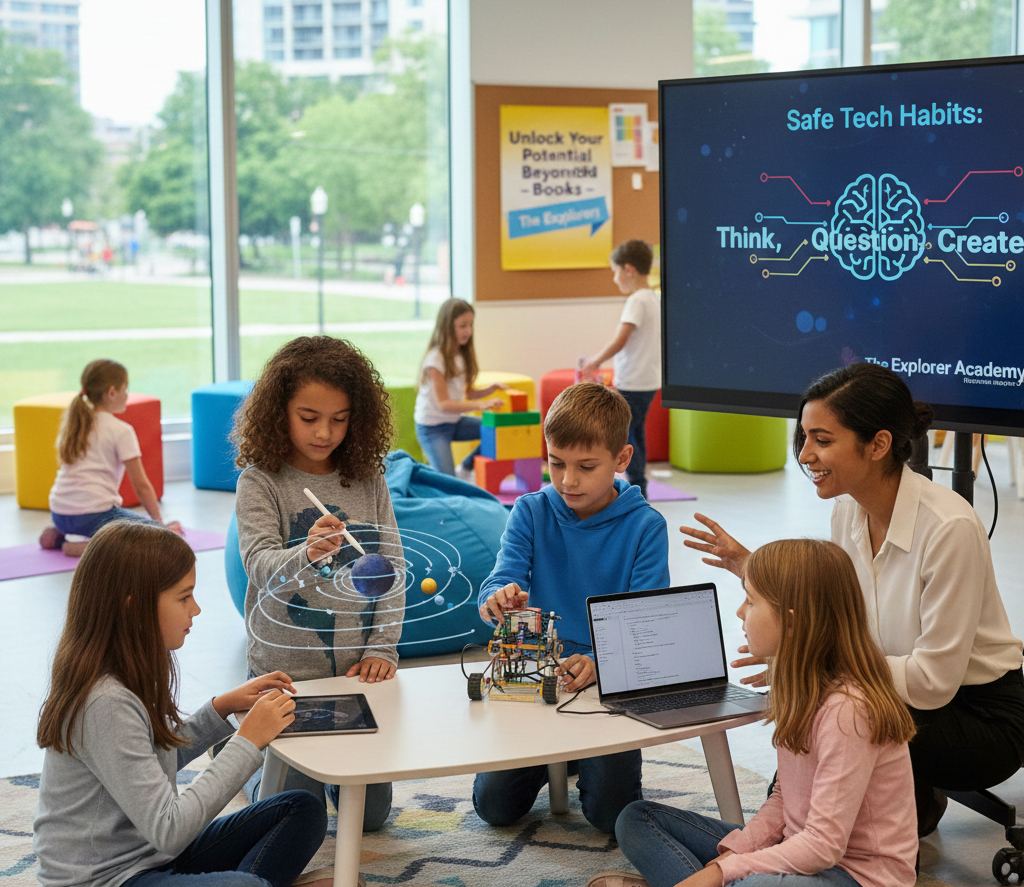
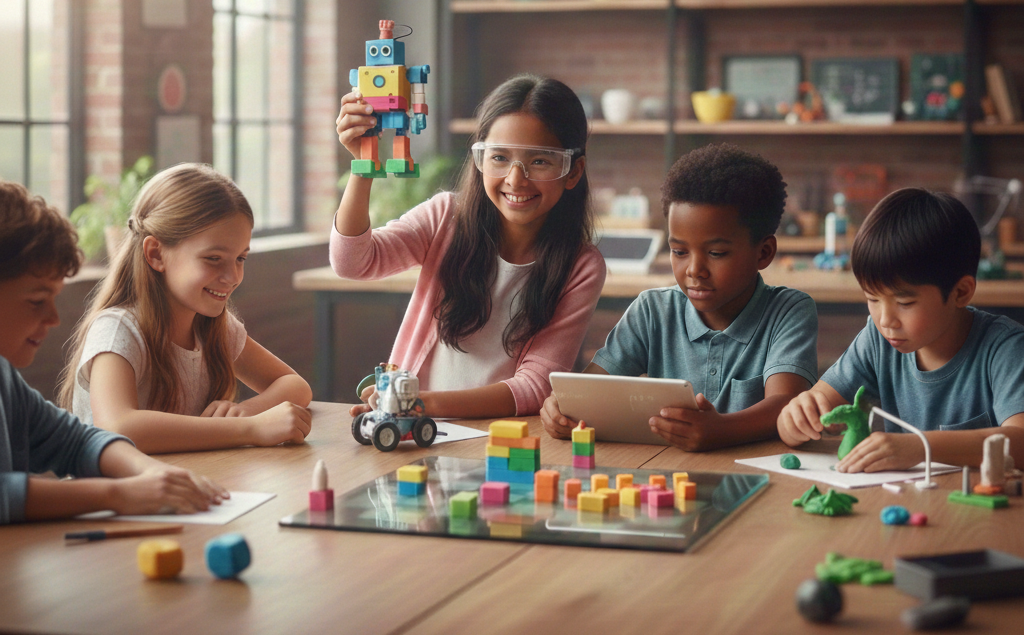
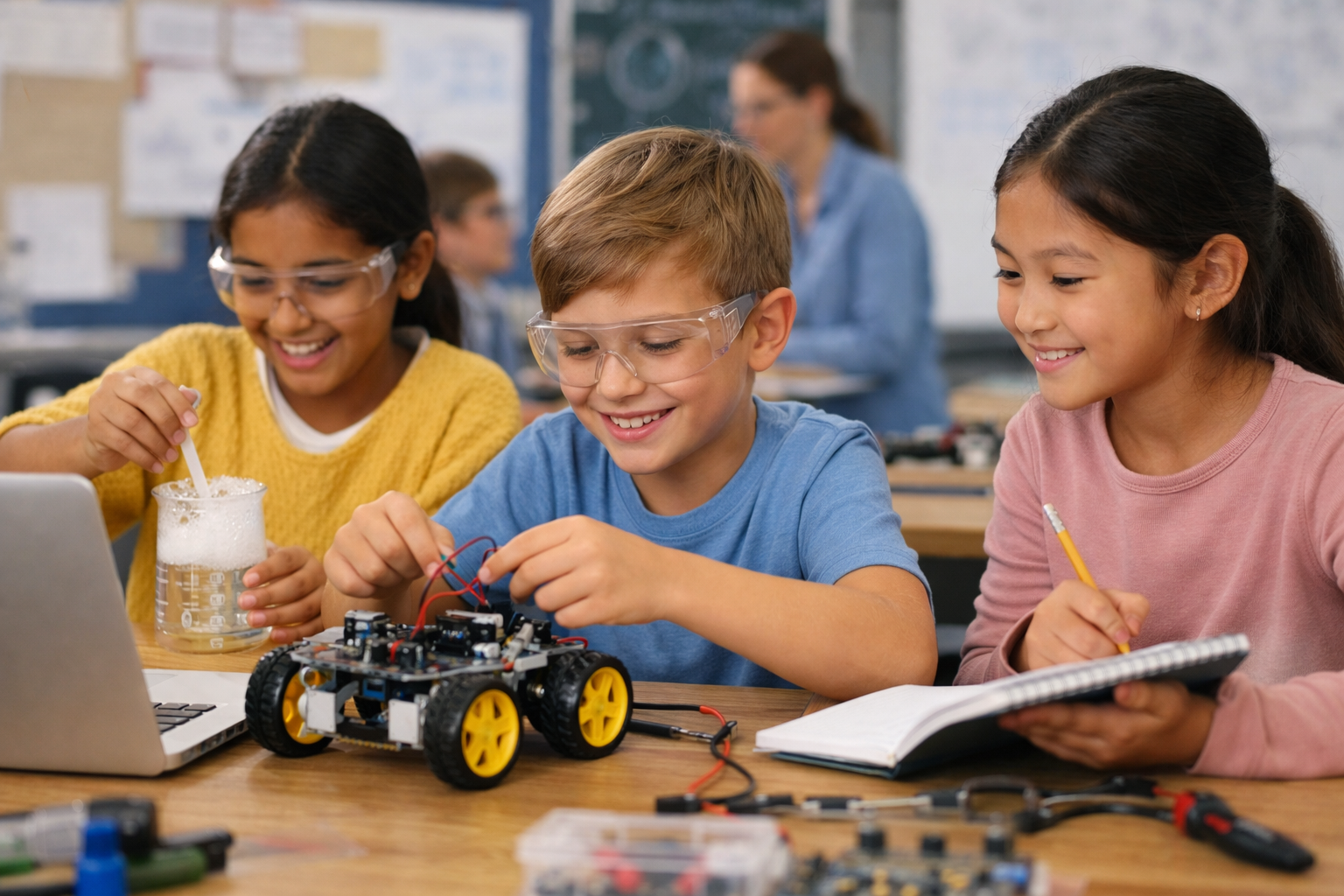
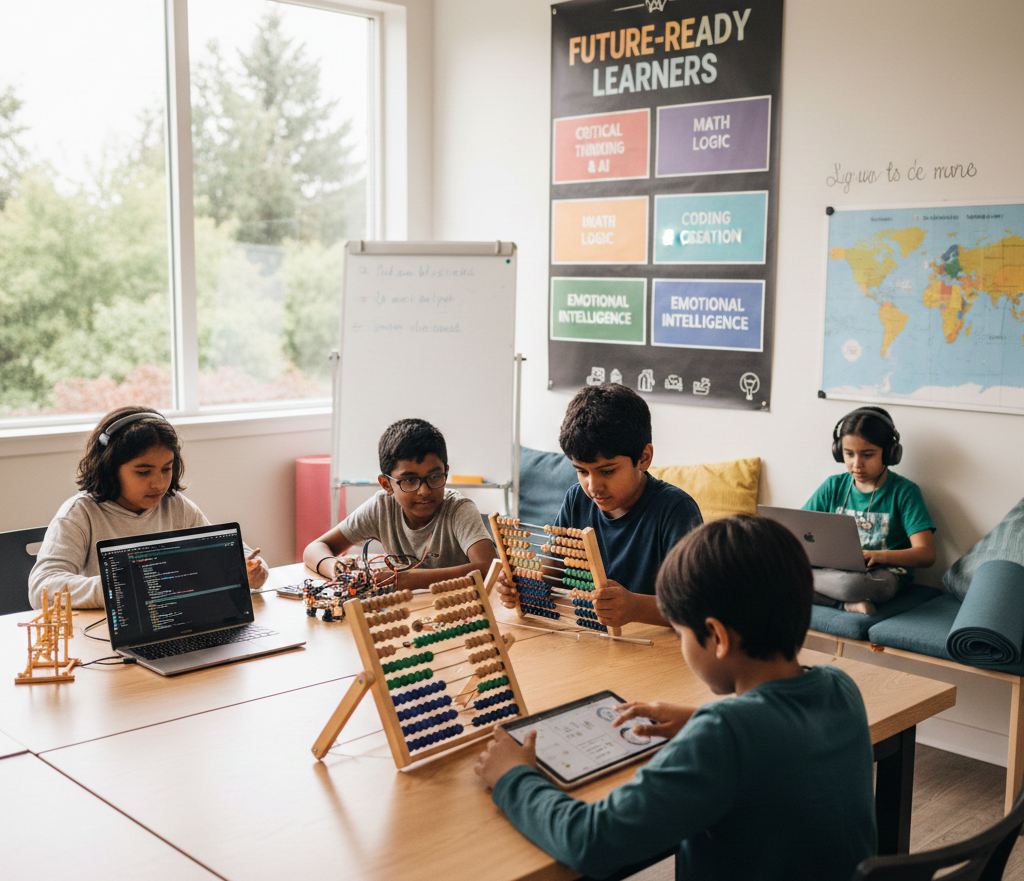
Programs that combine STEM education with digital awareness training naturally help children develop healthier technology habits. Instead of focusing only on coding or robotics skills, these environments teach children how to think, collaborate, and use technology with purpose.
This balanced learning model ensures that children gain both technical capability and behavioral discipline, which are equally important for long-term success.
How The Explorer Academy Builds Safe and Mindful Technology Habits
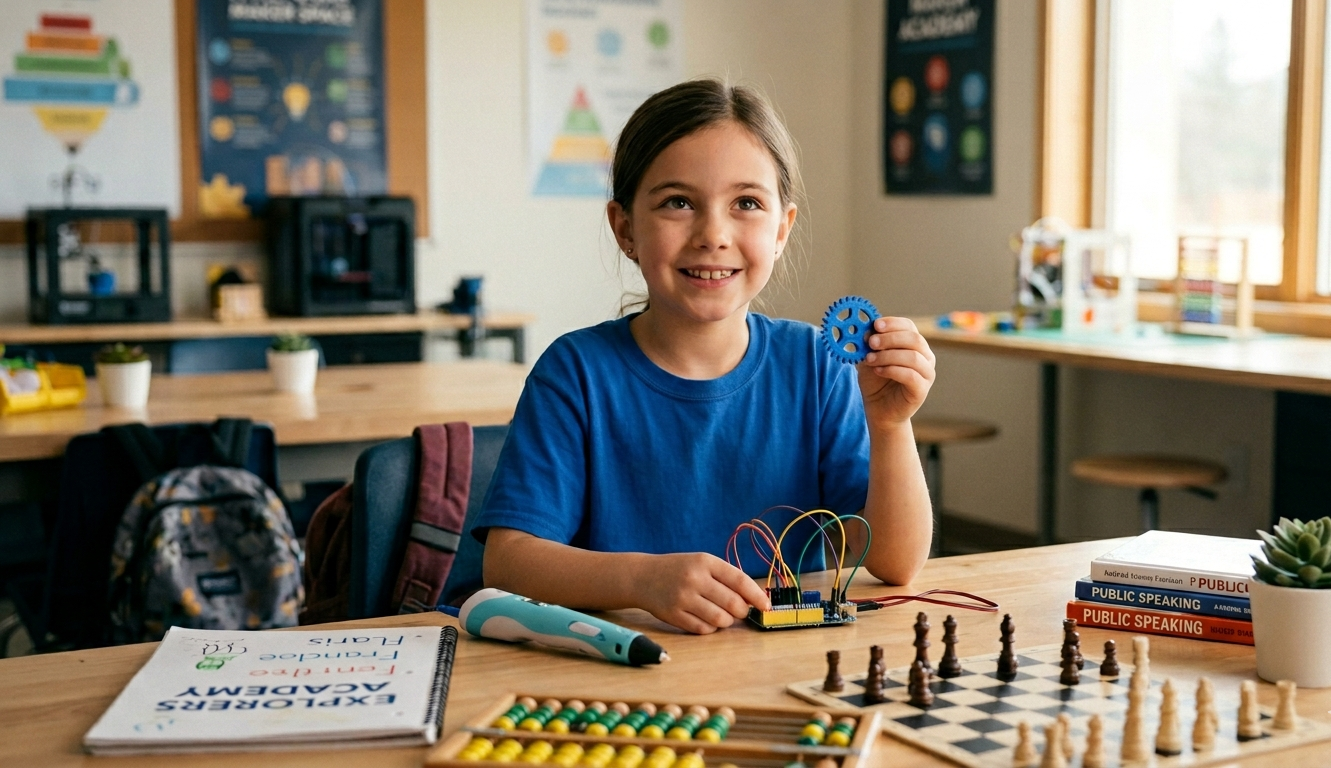
At The Explorer Academy, technology education is designed around the idea that children should grow into confident, curious, and well-balanced learners, not just skilled device users.
Each program integrates:
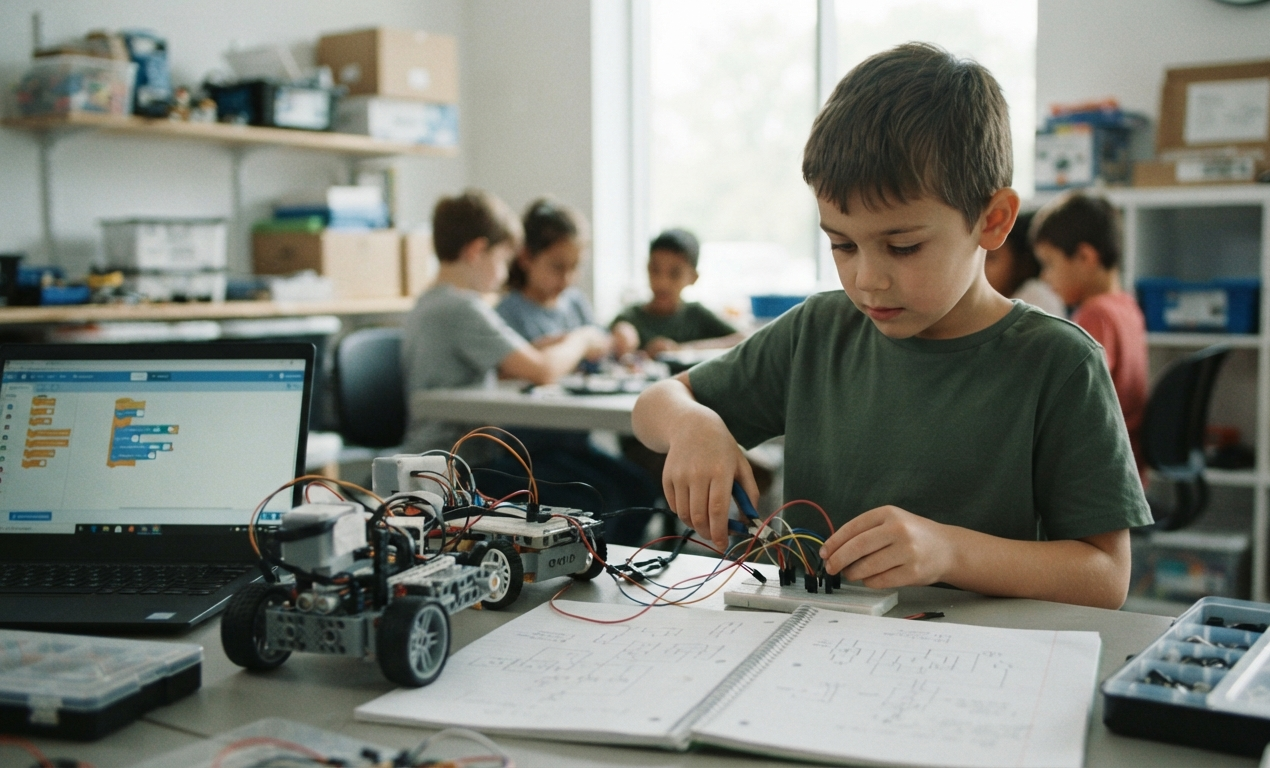
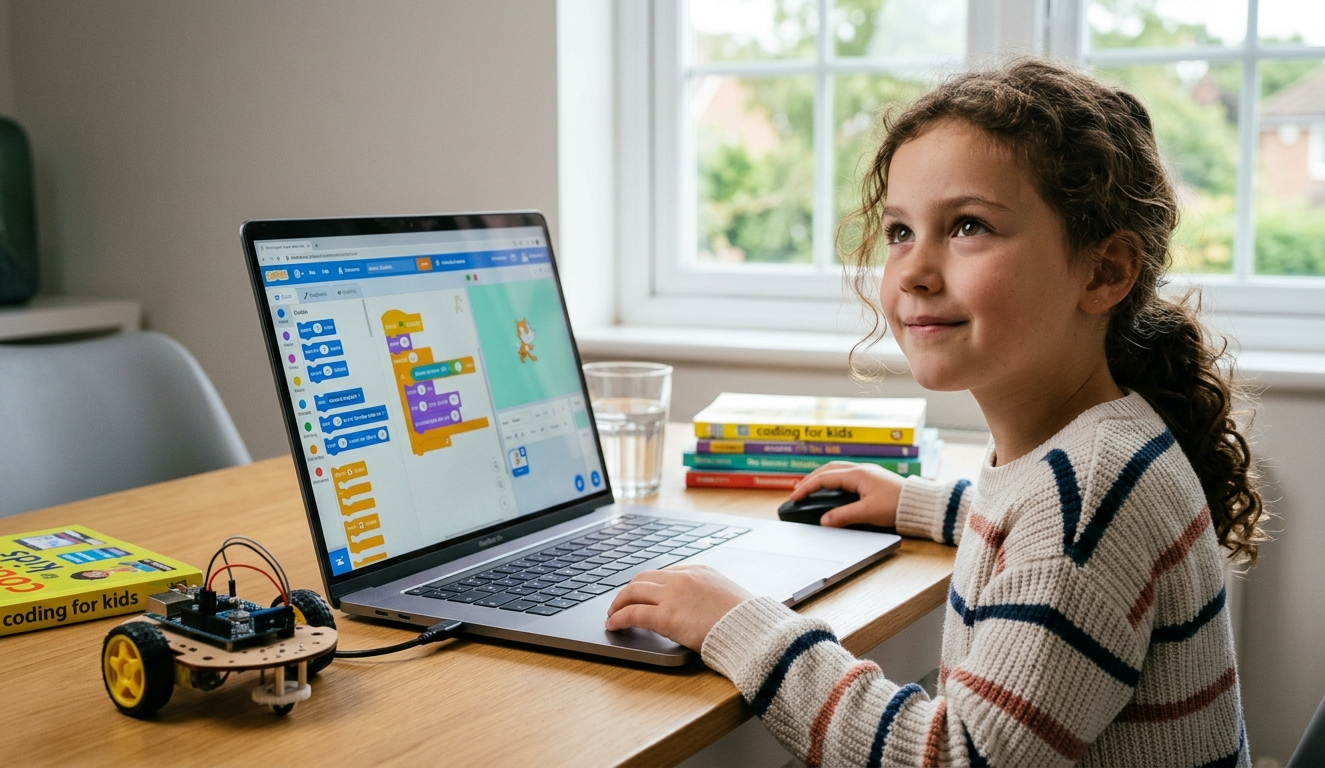
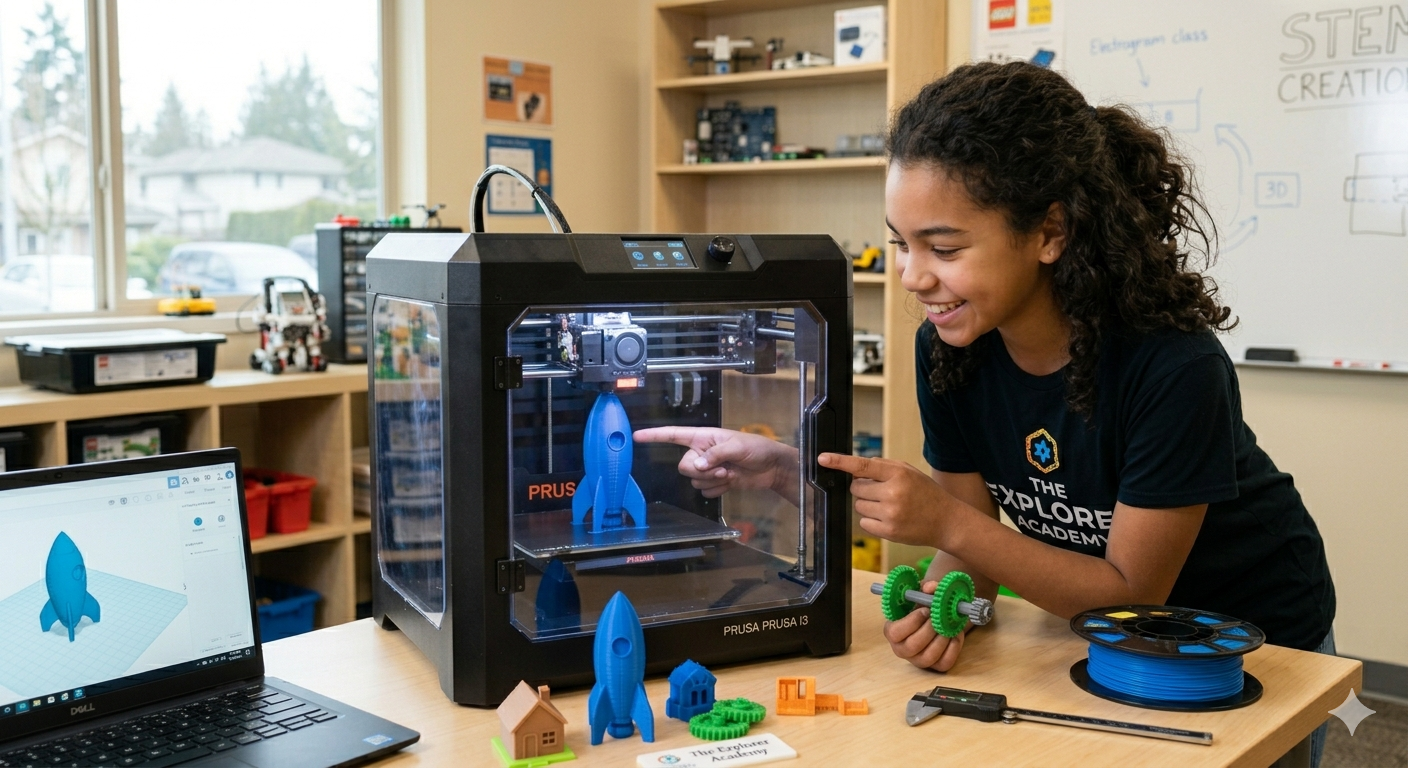
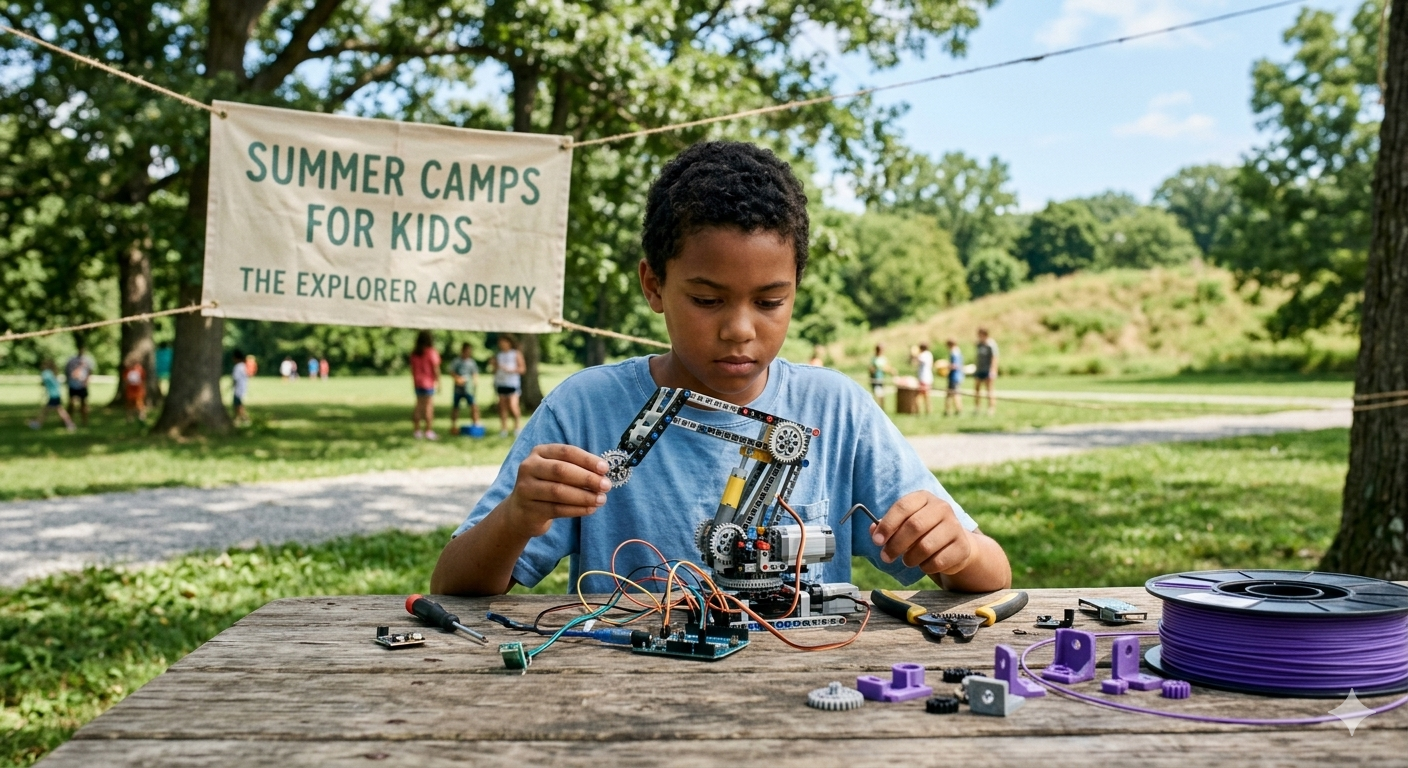
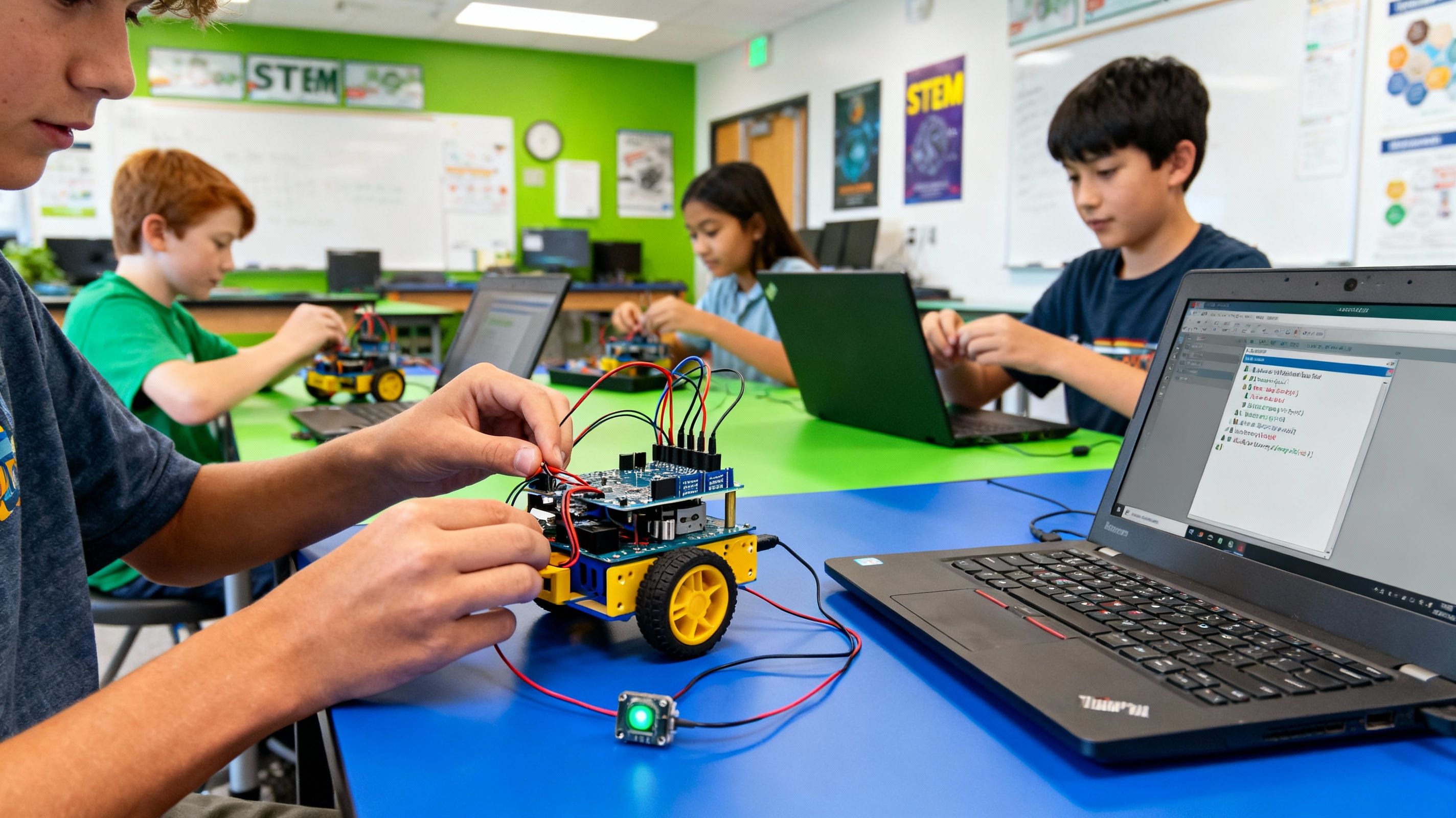
- hands-on STEM, robotics, and coding learning
- digital safety and responsible AI awareness
- guided discussions about real-world technology use
- short yoga-based movement breaks to refresh focus
- mindfulness moments that help children stay calm and attentive
These structured elements help children stay engaged without feeling overwhelmed and develop a healthy relationship with technology from an early age.
What Makes The Explorer Academy Different from Typical STEM Classes?
Many technology programs focus only on teaching technical skills. The Explorer Academy focuses equally on how children learn, how long they stay focused and how confident they feel during the learning process.
Parents looking for the best academy classes in Surrey often choose The Explorer Academy because it combines:
- future-ready STEM and innovation skills
- responsible AI and digital awareness education
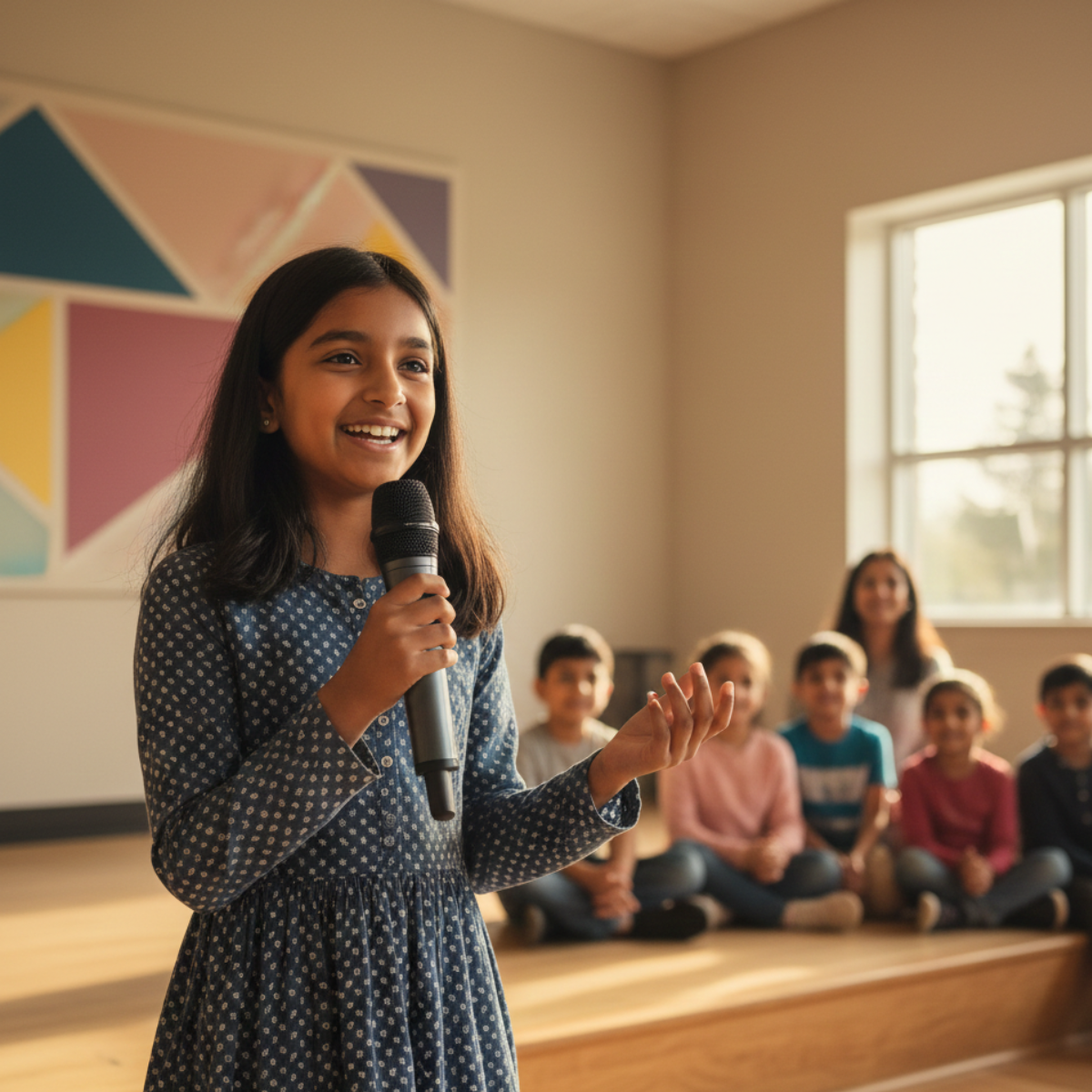
- confidence and communication development
- balanced screen use and focus-building practices
This integrated approach prepares children not only for academic performance but also for real-world decision-making in an AI-driven future.
How Can Parents Help Children Build Healthy Technology Habits at Home?
Parents can reinforce healthy habits by:
- encouraging children to explain how they reached an answer instead of just showing results
- setting device-free learning or reading periods
- discussing how AI tools work and when they should be used
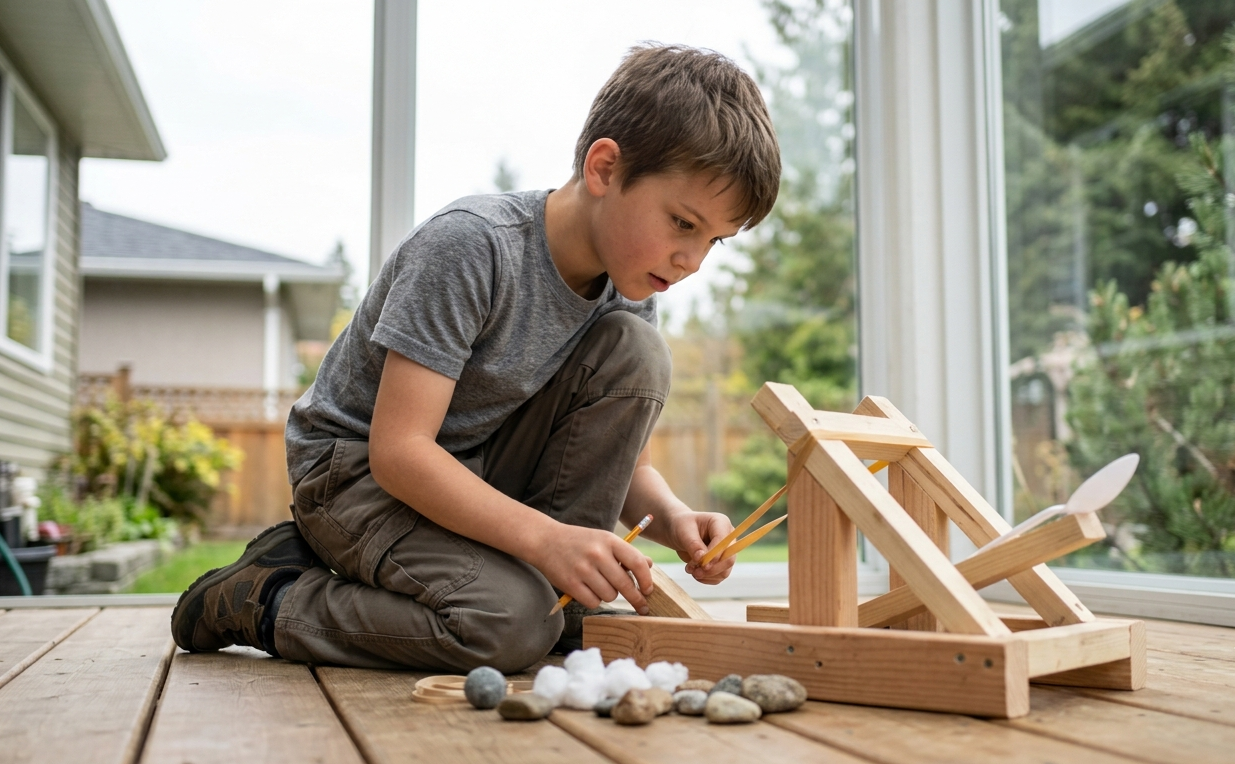
- supporting hands-on activities that involve creativity and problem-solving
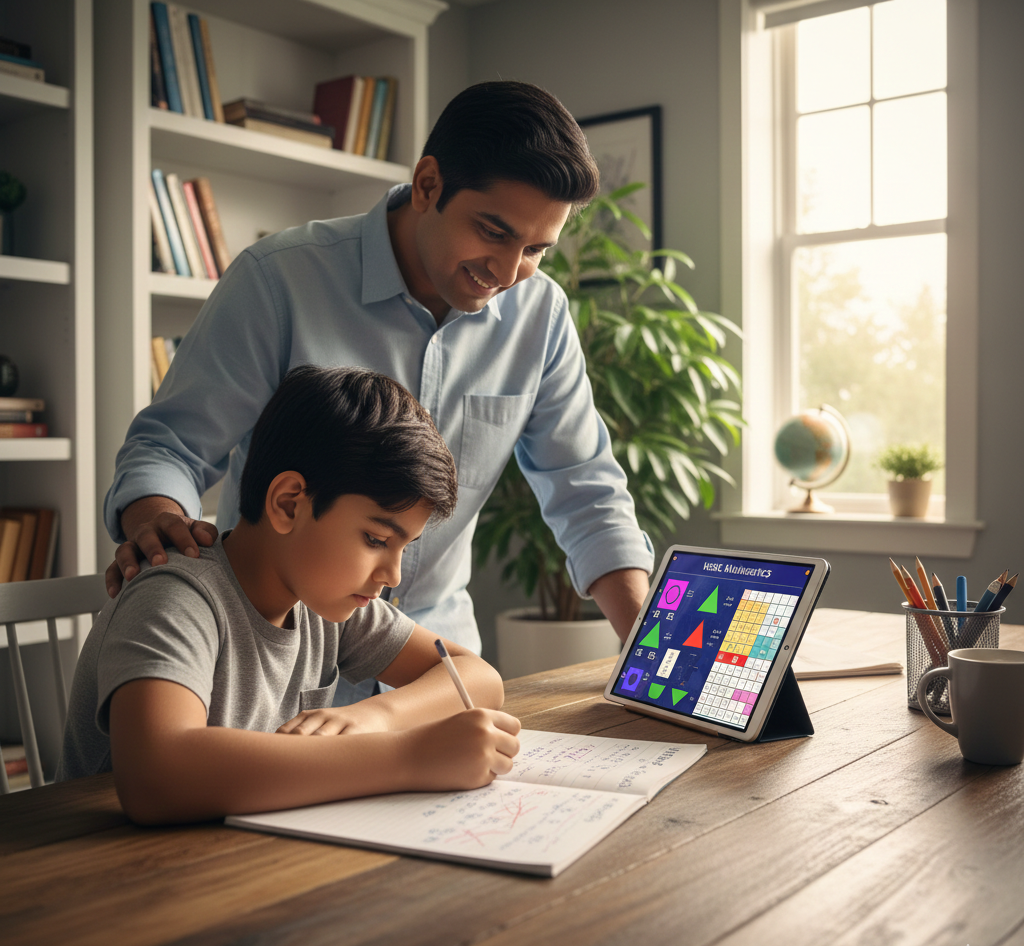
When home habits and structured learning environments work together, children develop stronger long-term discipline.
Final Thoughts: Preparing Children to Thrive in an AI-Driven World
Technology will continue to evolve rapidly, but the children who succeed will not simply be the ones who use technology the most — they will be the ones who understand when, why and how to use it wisely.
Balanced programs such as The Explorer Academy help children develop this mindset by combining STEM learning, digital awareness, mindfulness and confidence-building into one structured experience, helping them grow into capable and thoughtful future innovators.
Book a Demo Class and See the Learning Difference
If you want your child to develop technology skills along with focus, confidence and responsible AI awareness, the right environment can make a lasting difference.
A demo class at The Explorer Academy allows your child to:
- experience hands-on STEM, coding and robotics learning
- understand how AI tools can support learning safely
- participate in focus-building movement and mindfulness activities
- explore a learning approach designed for long-term confidence and skill development
Book a demo class today and discover how balanced, future-ready learning can help your child grow into a confident and mindful technology user.
About The Explorer Academy
Educator and contributor at The Explorer Academy, dedicated to engaging and enrichment-focused learning for kids.