The 10-Minute Routine That Can Transform Your Child’s Mood and Concentration

Helping children build focus, emotional balance and learning readiness—one small habit at a time.
Every parent has seen it: your child feels distracted, irritable, or overwhelmed, especially around schoolwork. Homework stretches longer than it should. Small challenges trigger big emotions. Many parents ask the same question: How can I improve my child’s concentration and mood without adding pressure?
The answer is simpler than it sounds.
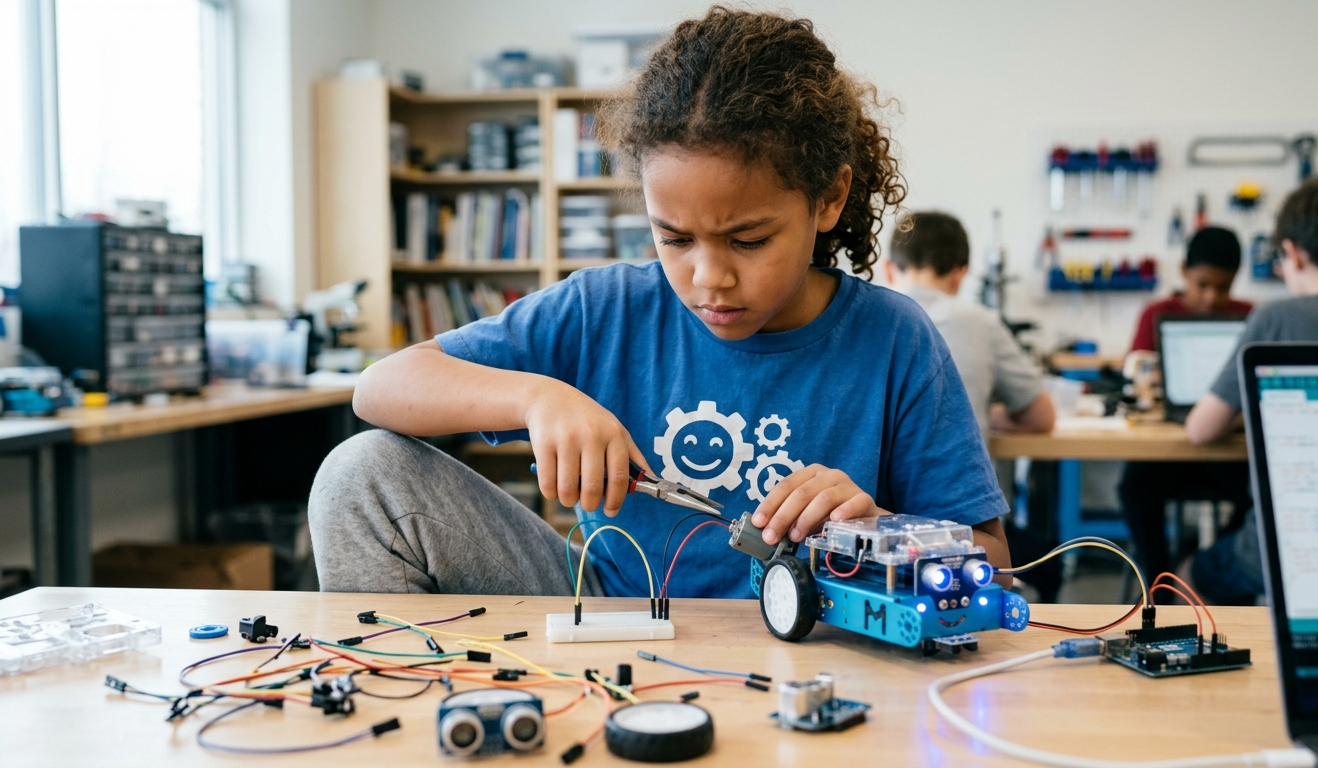
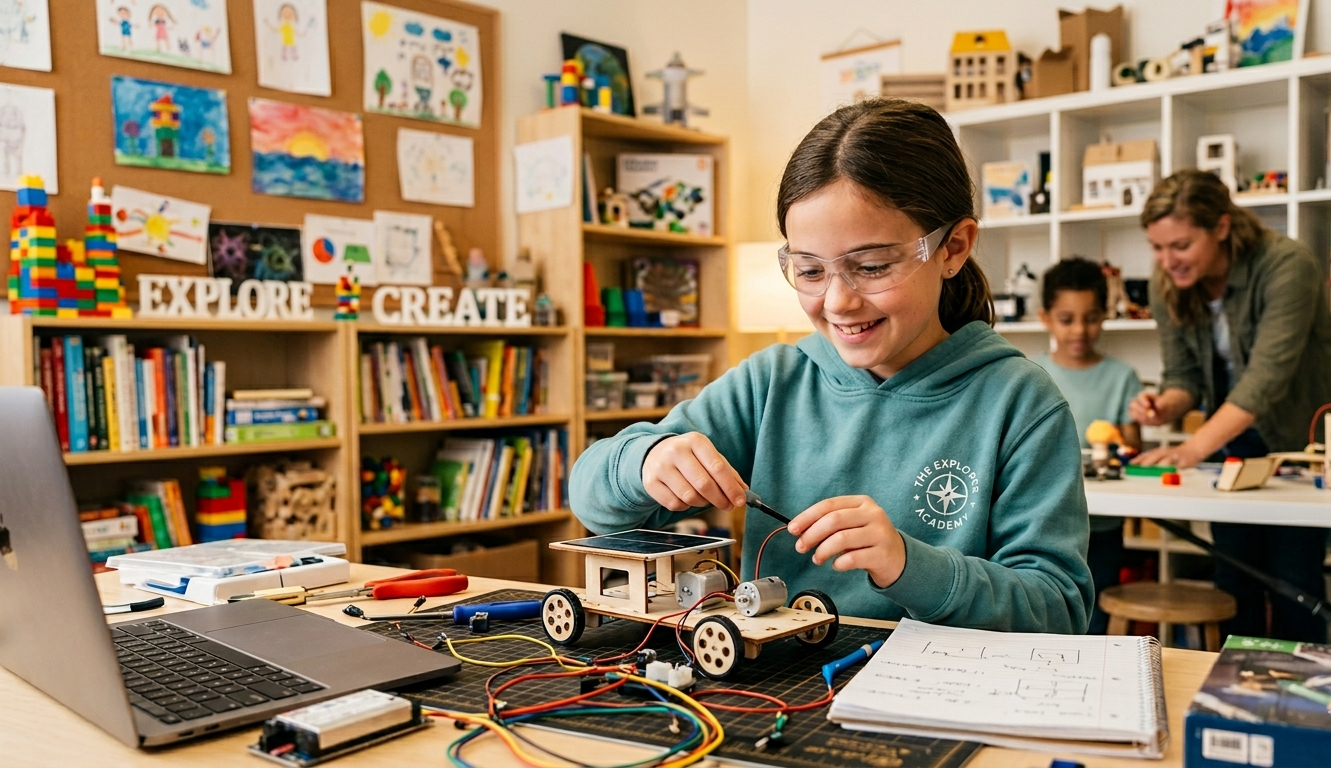
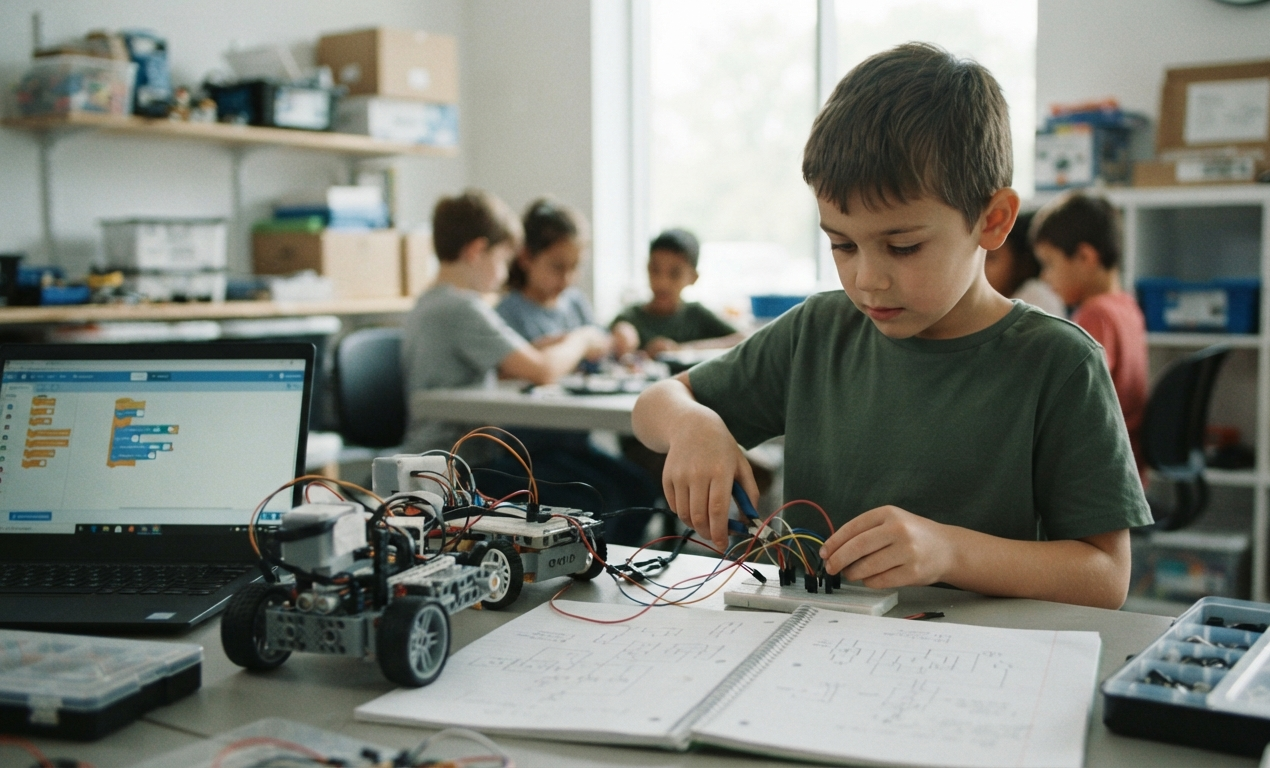
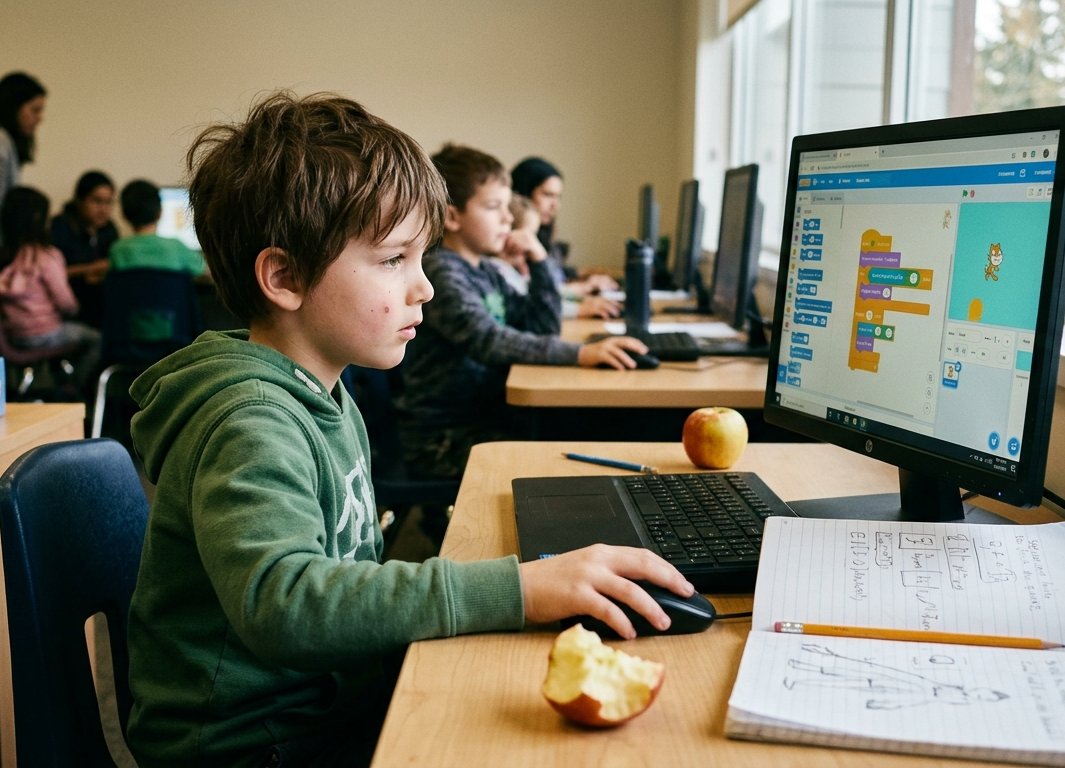
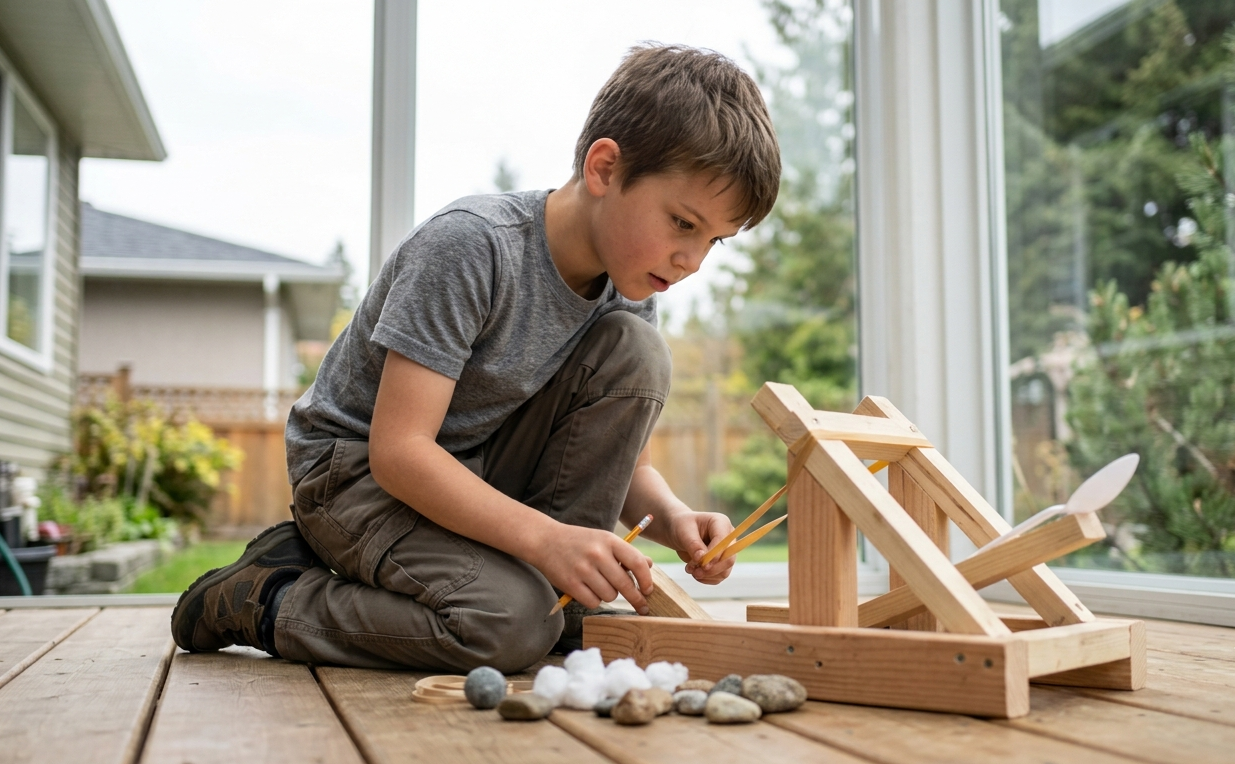
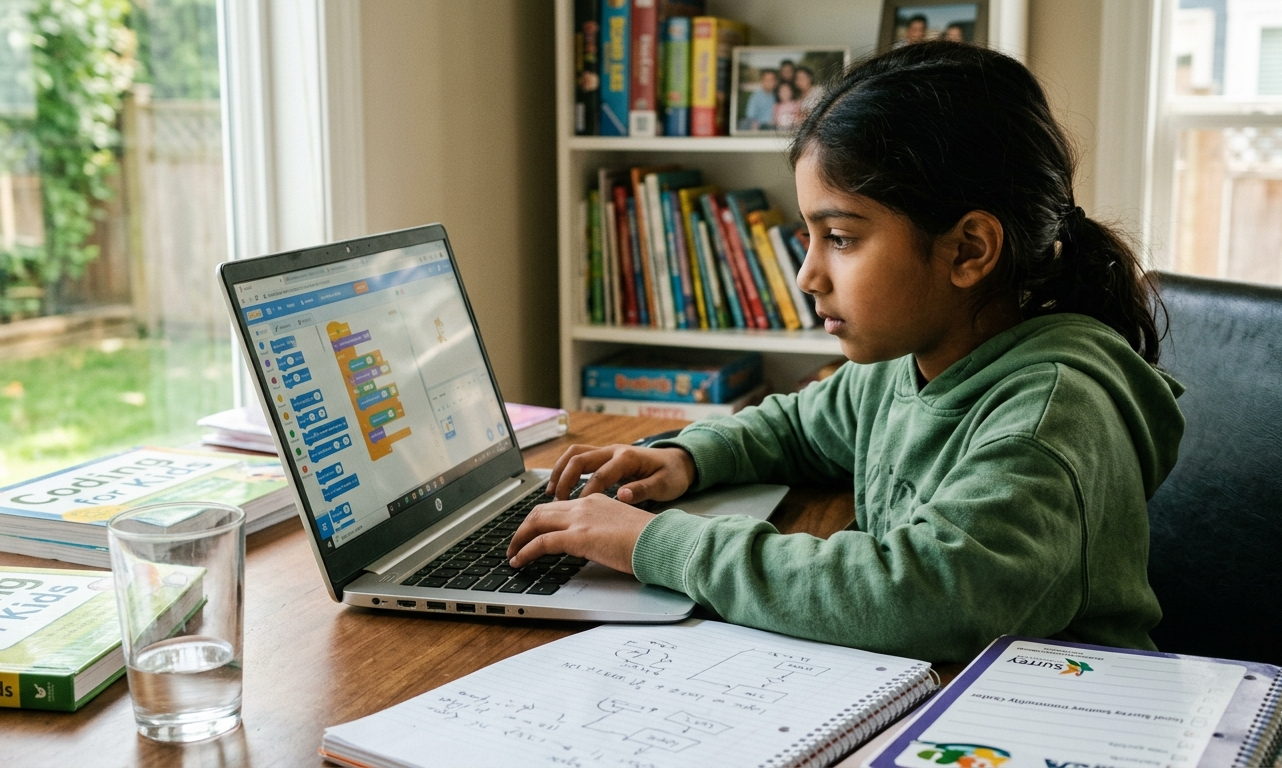
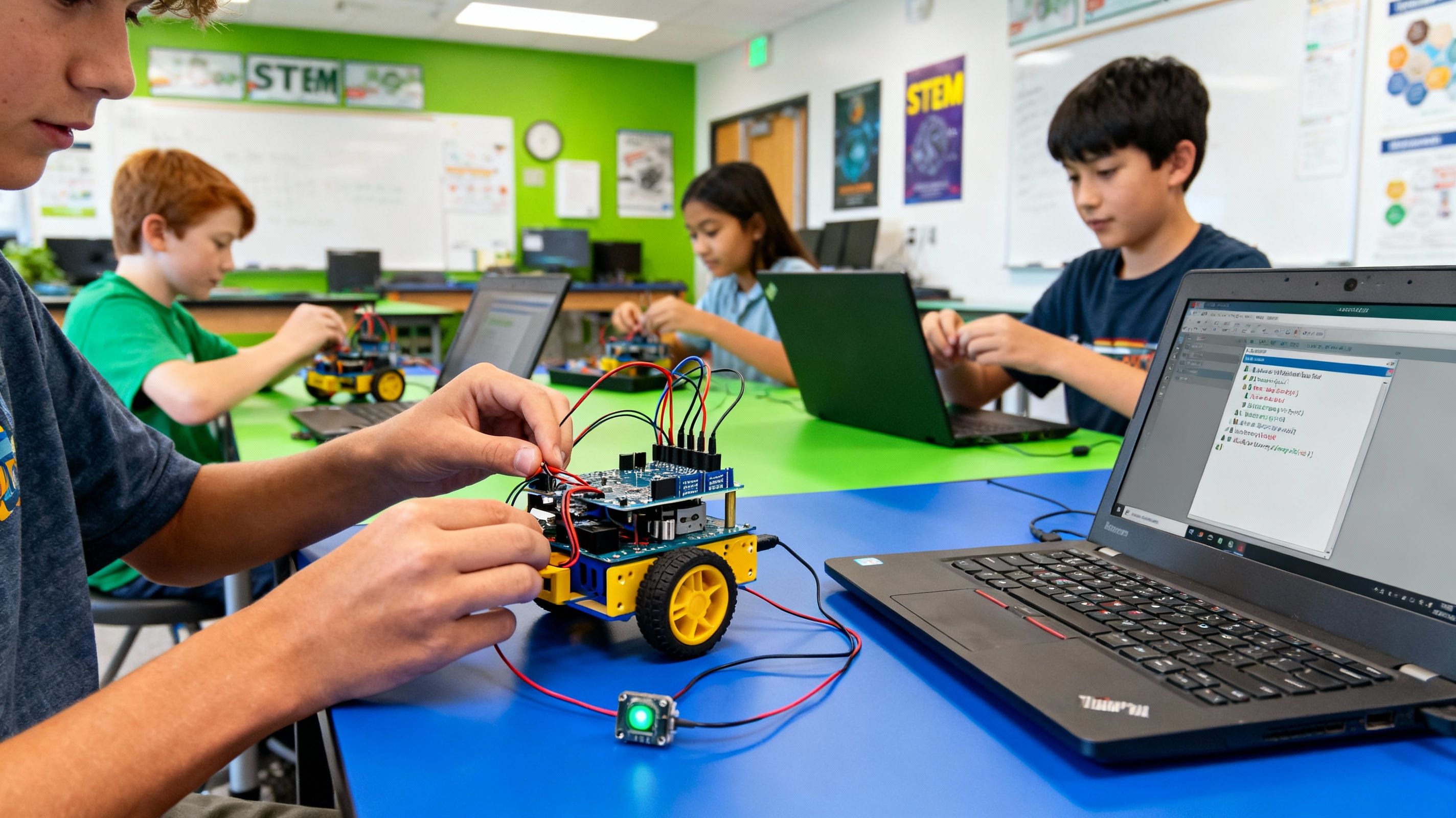
A 10-minute daily routine for kids when done consistently can significantly improve focus, emotional regulation, and readiness to learn. At Explorer Academy, we work closely with children in STEM, robotics and coding programs, and we have seen firsthand how short, intentional routines can reset the brain and support better learning outcomes.
Why a 10-Minute Routine Improves Focus and Emotional Regulation
Children’s brains are still developing the skills needed for attention control, impulse management and emotional balance. Long study sessions or strict discipline often increase stress rather than productivity.
Short routines work because they:
- Reduce cognitive overload
- Improve blood flow and oxygen to the brain
- Lower stress hormones through movement and breathing
- Help children transition smoothly into learning tasks
- Build healthy habits for focus and self-regulation
Research-backed learning environments consistently show that pre-learning routines improve attention span and task completion especially in children.
The 10-Minute Daily Routine for Better Mood and Concentration
What Is the 10-Minute Routine That Improves a Child’s Focus?
The 10-minute routine to improve a child’s mood and concentration is a short, structured sequence of movement, breathing, emotional check-in and goal-setting. When practiced daily, it helps children calm their nervous system, reduce emotional overload and transition smoothly into learning or homework.
In simple terms:
- It prepares the brain to focus
- It reduces stress and restlessness
- It improves emotional regulation
- It increases learning readiness in kids
This routine is most effective for children ages 6–14 and can be done before school, after school or before homework.
Step-by-Step: 10-Minute Focus and Mood Reset for Kids
Minute 1–2: Light Physical Movement
Gentle movement releases excess energy and increases blood flow to the brain.
Minute 3–4: Deep Breathing
Slow breathing calms the nervous system and helps children regain emotional balance.
Minute 5–6: Emotional Check-In
Naming emotions helps children feel understood and improves self-regulation.
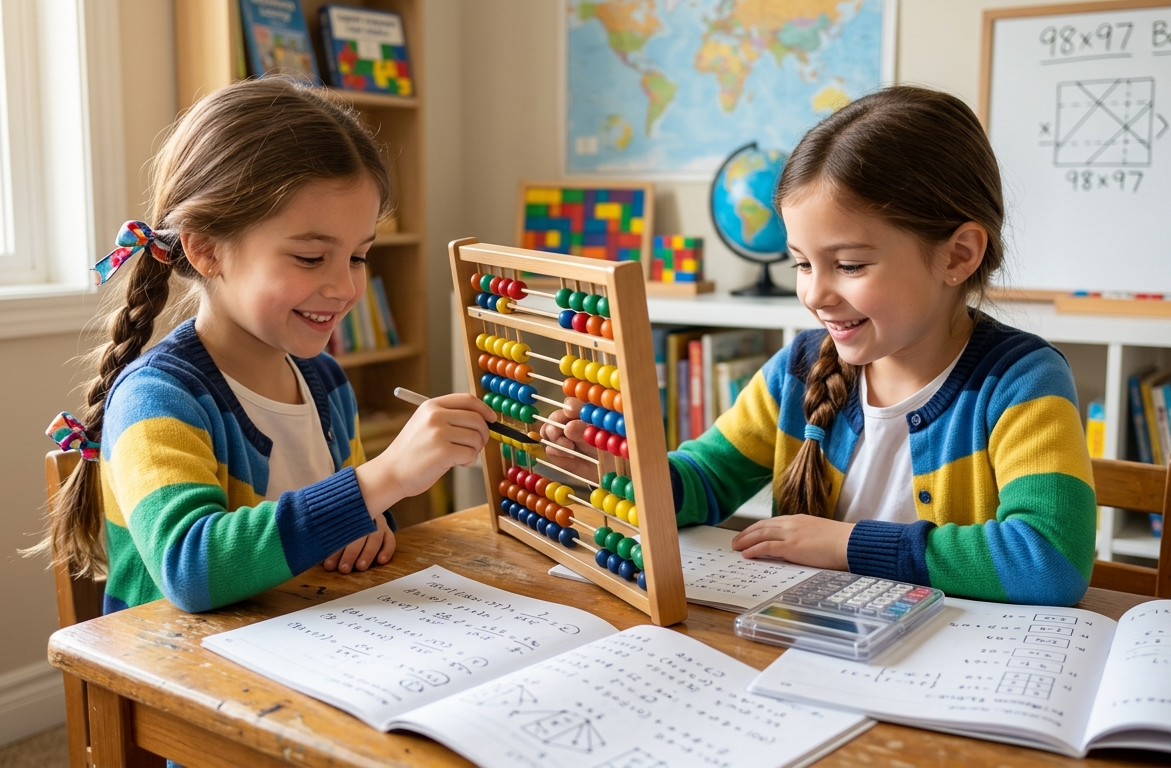
Minute 7–8: Focus-Building Activity
Simple puzzles or logic games activate attention without pressure.
Minute 9–10: Goal Settings
A clear, achievable goal builds confidence and motivation.
Minute 3–4: Deep Breathing to Calm the Nervous System
Teach your child this simple breathing exercise:
- Inhale through the nose for 4 seconds
- Hold for 2 seconds
- Exhale slowly through the mouth for 6 seconds
Repeat 4–5 times.
This breathing pattern activates the parasympathetic nervous system, helping children feel calmer and more emotionally grounded.
Minute 5–6: Emotional Check-In
Ask one open-ended question:
“How are you feeling right now?”
Encourage your child to name their emotion - happy, tired, frustrated, excited or nervous.
Why this matters: Emotional awareness is directly linked to better focus, behavior and academic performance.
Minute 7–8: Focus-Building Brain Warm-Up
Choose a short, low-pressure activity that engages attention:
- Puzzles or logic games
- Pattern recognition cards
- Spot-the-difference activities
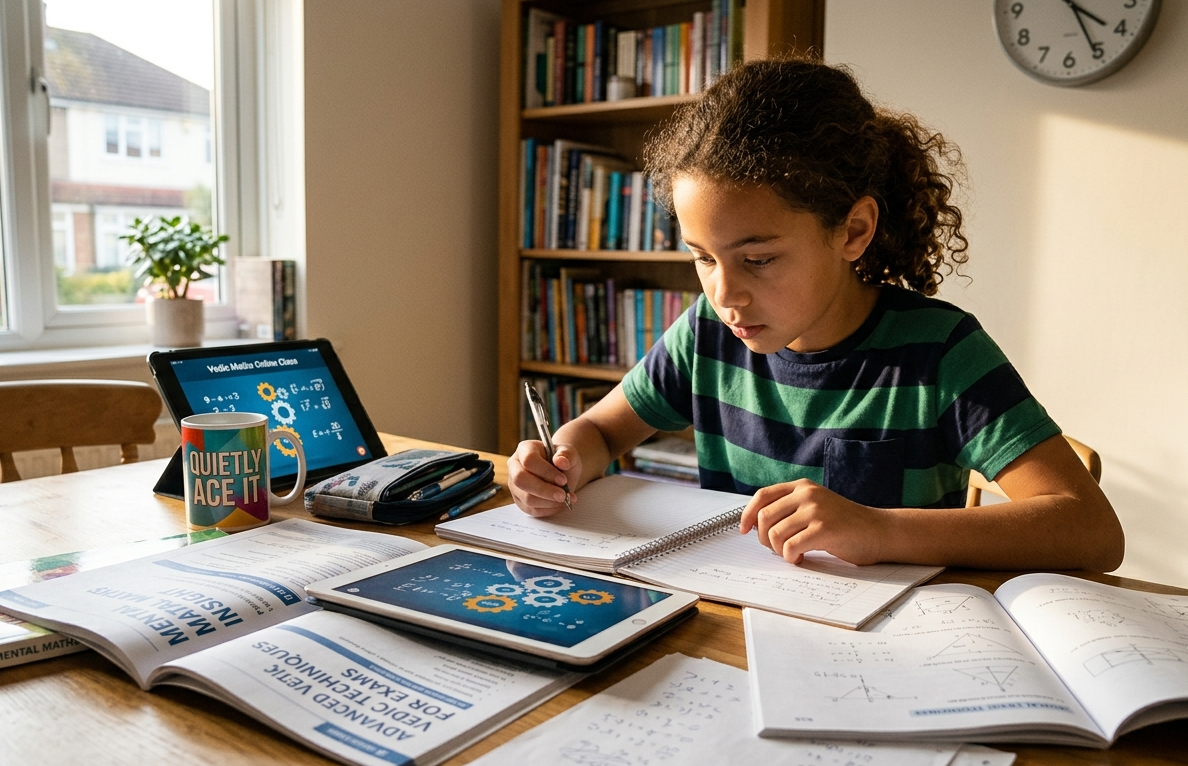
- Simple mental math challenges
These activities activate problem-solving skills without overwhelming the brain.
Minute 9–10: Goal Setting and Positive Reinforcement
End the routine with one clear, achievable goal:
- “I will complete my math homework.”
- “I will focus during my online class.”
- “I will read for 15 minutes.”
Pair it with encouragement:
“You’re prepared. You can do this.”
Positive reinforcement builds confidence and motivation.
Benefits Parents Notice from This Daily Focus Routine
Parents who use this routine consistently often report:
- Improved concentration and attention span
- Fewer emotional outbursts
- Faster and calmer homework sessions
- Better listening and follow-through
- Increased confidence and independence
These benefits extend beyond academics into emotional well-being.
How This Routine Supports Long-Term Learning Success
Children don’t struggle with focus because they lack ability—they struggle because their minds are overstimulated. Teaching them how to pause, reset and prepare is a lifelong skill.
At Explorer Academy, our learning programs integrate structured thinking, creativity and emotional balance. Whether children are learning coding, robotics or STEM fundamentals, we prioritize focus-building habits that support deep learning.
Tips to Help Parents Build Consistency
- Practice the routine at the same time each day
- Keep it screen-free
- Participate with your child initially
- Adjust activities based on age and interest
- Celebrate consistency, not perfection
Small, repeatable habits create lasting change.
Final Thoughts: Small Routines, Big Results
In today’s fast-paced, screen-heavy world, children need simple tools to reset and refocus. This 10-minute routine for kids’ concentration and mood is one of the easiest ways parents can support emotional balance and learning readiness.
With just a few intentional minutes each day, you are not just helping your child complete homework—you are teaching them how to manage their mind, emotions and attention for life.
Frequently Asked Questions (FAQs)
What is the best daily routine to improve a child’s concentration?
One of the most effective daily routines to improve a child’s concentration is a short 10-minute routine that includes light physical movement, deep breathing, an emotional check-in, a focus-building activity and simple goal setting. This combination helps calm the brain and prepares children to focus on learning tasks.
How long does it take to see results from a focus routine for kids?
Many parents notice small improvements in their child’s mood and attention within 1–2 weeks of practicing a daily focus routine. Consistency matters more than duration; doing the routine every day delivers better results than longer, irregular sessions.
Can this 10-minute routine help with homework and studying?
Yes. This 10-minute routine is especially effective before homework or studying. It helps children transition from play or screen time into a calmer, more focused state, making homework sessions shorter and less stressful.
What age is this routine best for?
This routine works best for children ages 6 to 14, though it can be adapted for younger children with simpler activities or for older students with more advanced focus tasks.
Is this routine better than screen-based focus apps for kids?
Unlike screen-based focus apps, this routine is completely screen-free. It supports natural emotional regulation, physical movement, and self-awareness skills that help children build long-term focus without increasing screen dependence.
About The Explorer Academy
Educator and contributor at The Explorer Academy, dedicated to engaging and enrichment-focused learning for kids.