Hands-On STEM vs Classroom Learning: What Works Better for Kids?
At Explorer Academy, we often hear parents say the same thing in different ways: “My child is doing okay in school but I’m not sure they’re really understanding or enjoying what they are learning.”
It’s a thoughtful concern and a valid one. Classrooms provide structure and academic foundations, but children today are growing up in a world very different from the one schools were originally designed for. Technology moves fast, attention spans are stretched and children are expected to absorb more information than ever before.
That’s why many families begin looking for learning experiences that go beyond textbooks experiences that help children stay curious, focused and confident while learning how to use technology in a healthy, purposeful way.
This is where hands-on STEM learning for kids plays an important role.
Is Traditional Classroom Learning Enough for Kids Today?
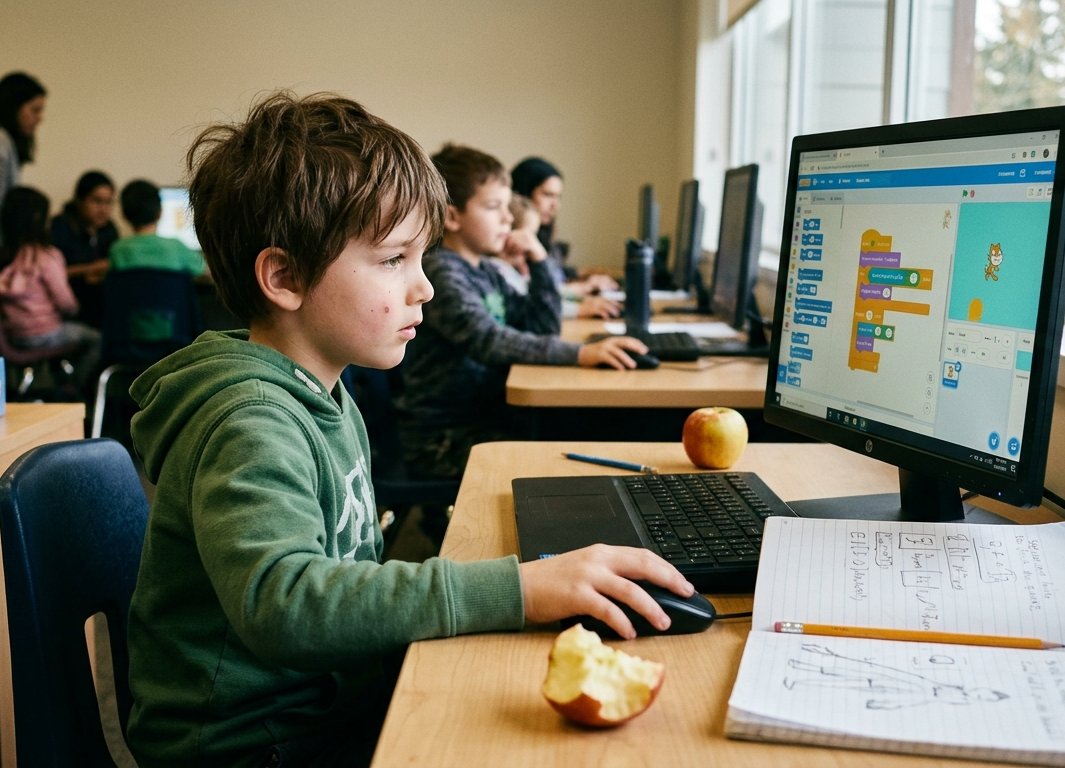
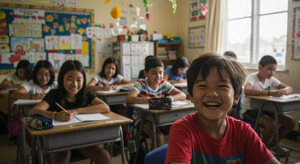
Traditional classroom learning offers consistency. Children benefit from routines, shared expectations and exposure to core academic subjects. Schools also play a vital role in helping children develop social skills and a sense of responsibility.
However, classrooms often have limited flexibility. With large groups and fixed curricula, it can be difficult to slow down, revisit concepts or explore ideas deeply especially in subjects like science and technology.
When learning becomes primarily worksheet or lecture-based, some children begin to memorise without truly understanding. Others lose interest altogether, not because they lack ability but because learning feels disconnected from real life.
What Is Hands-On STEM Learning for Kids?
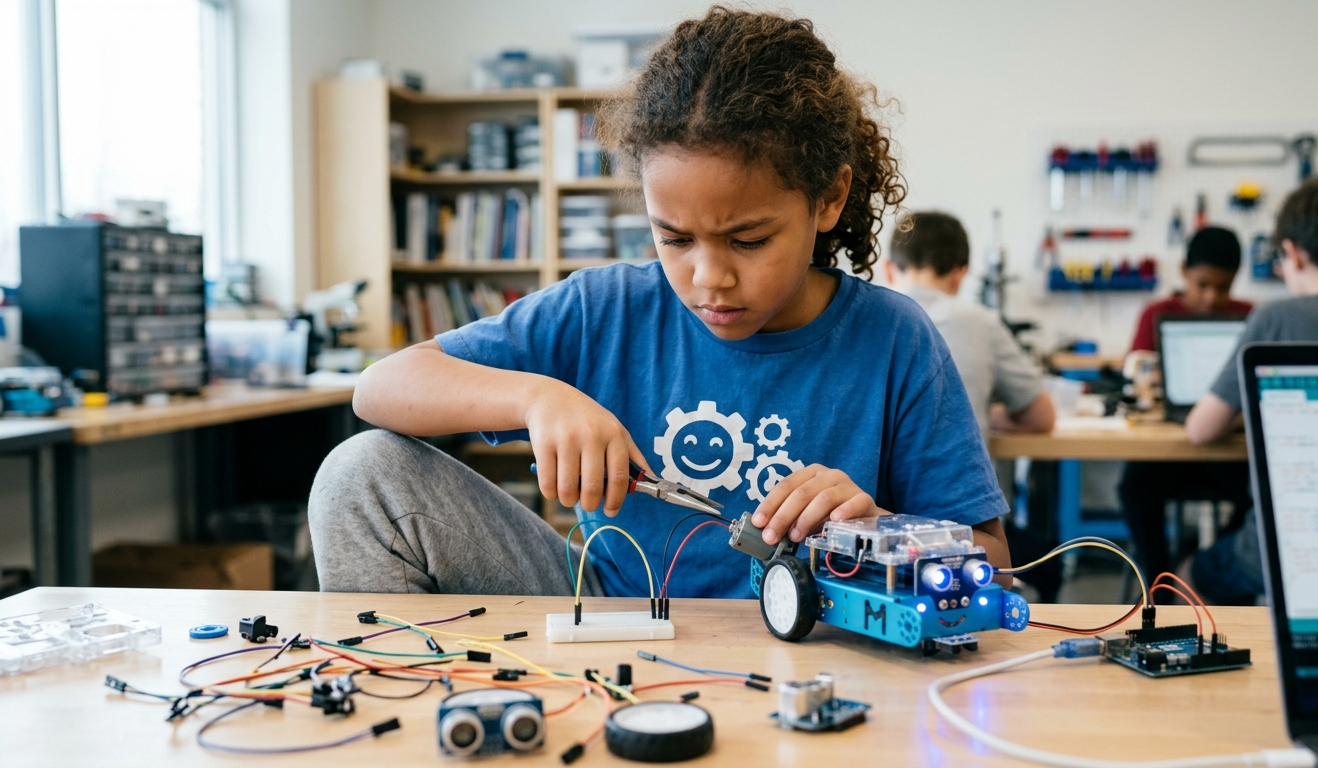
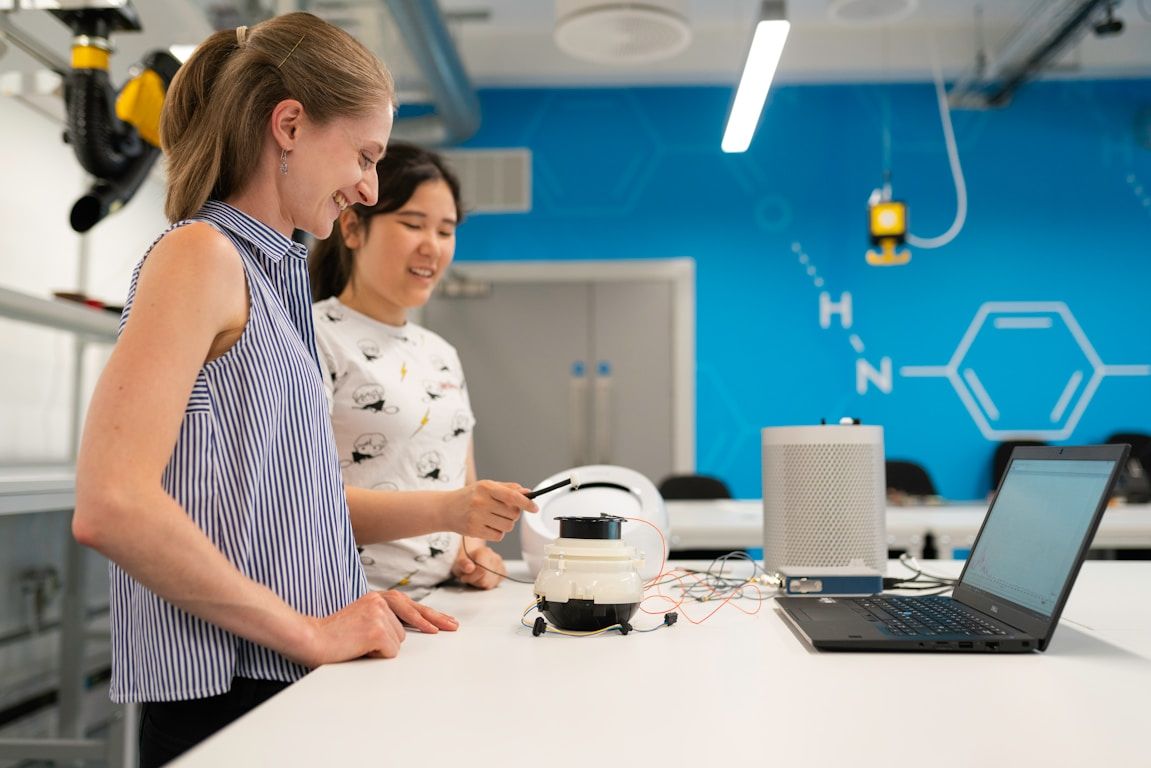
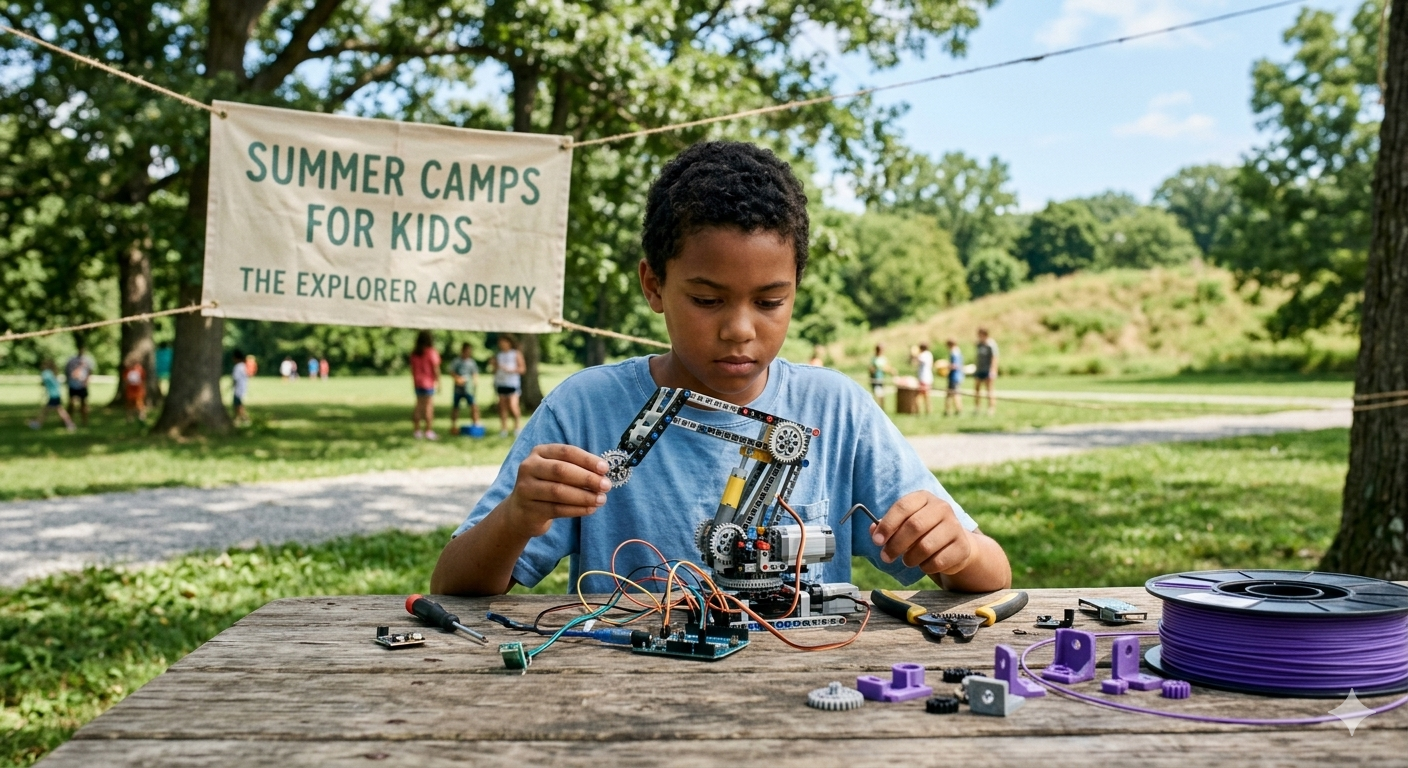
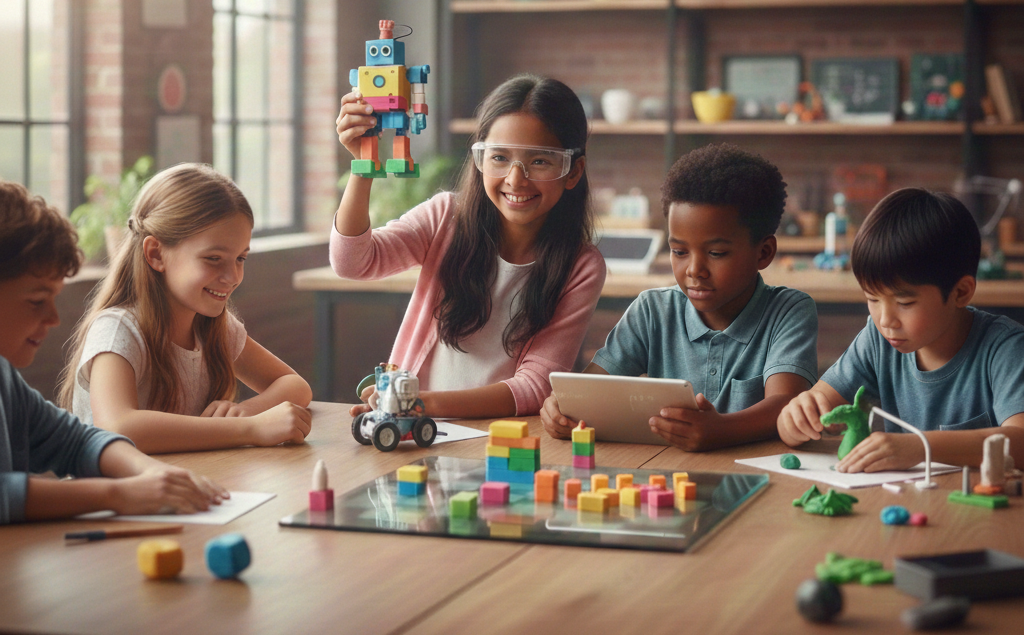
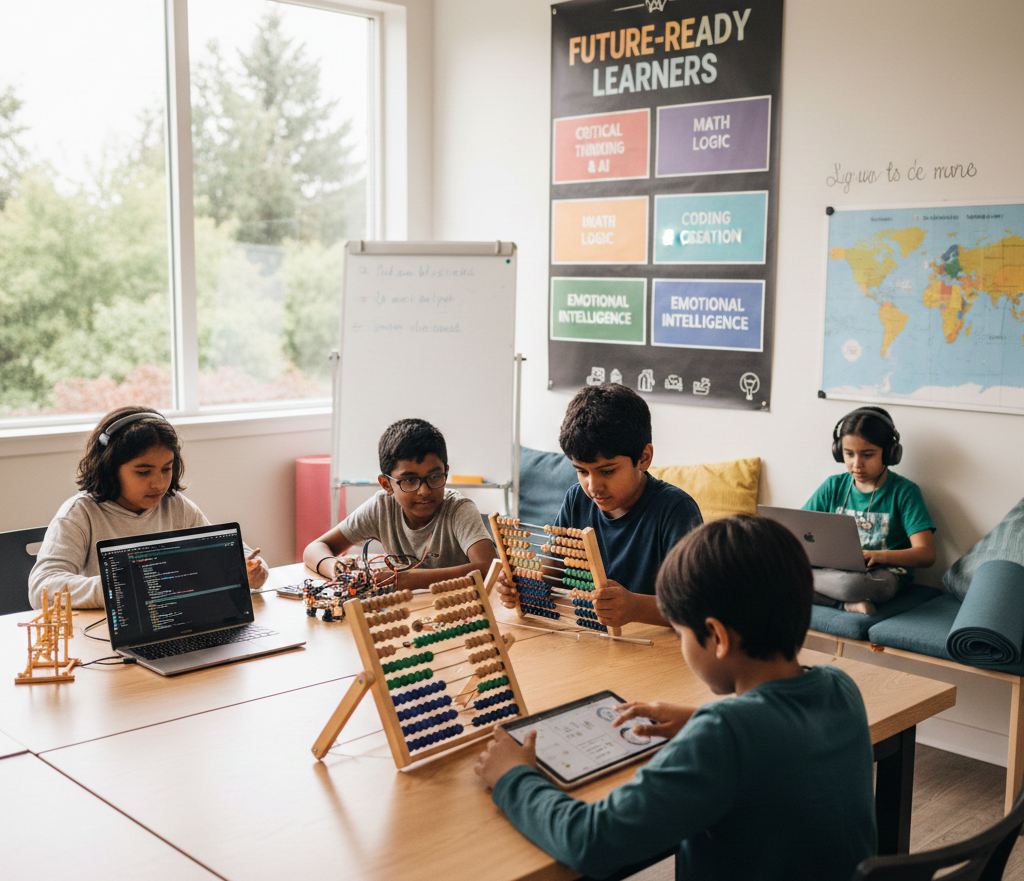
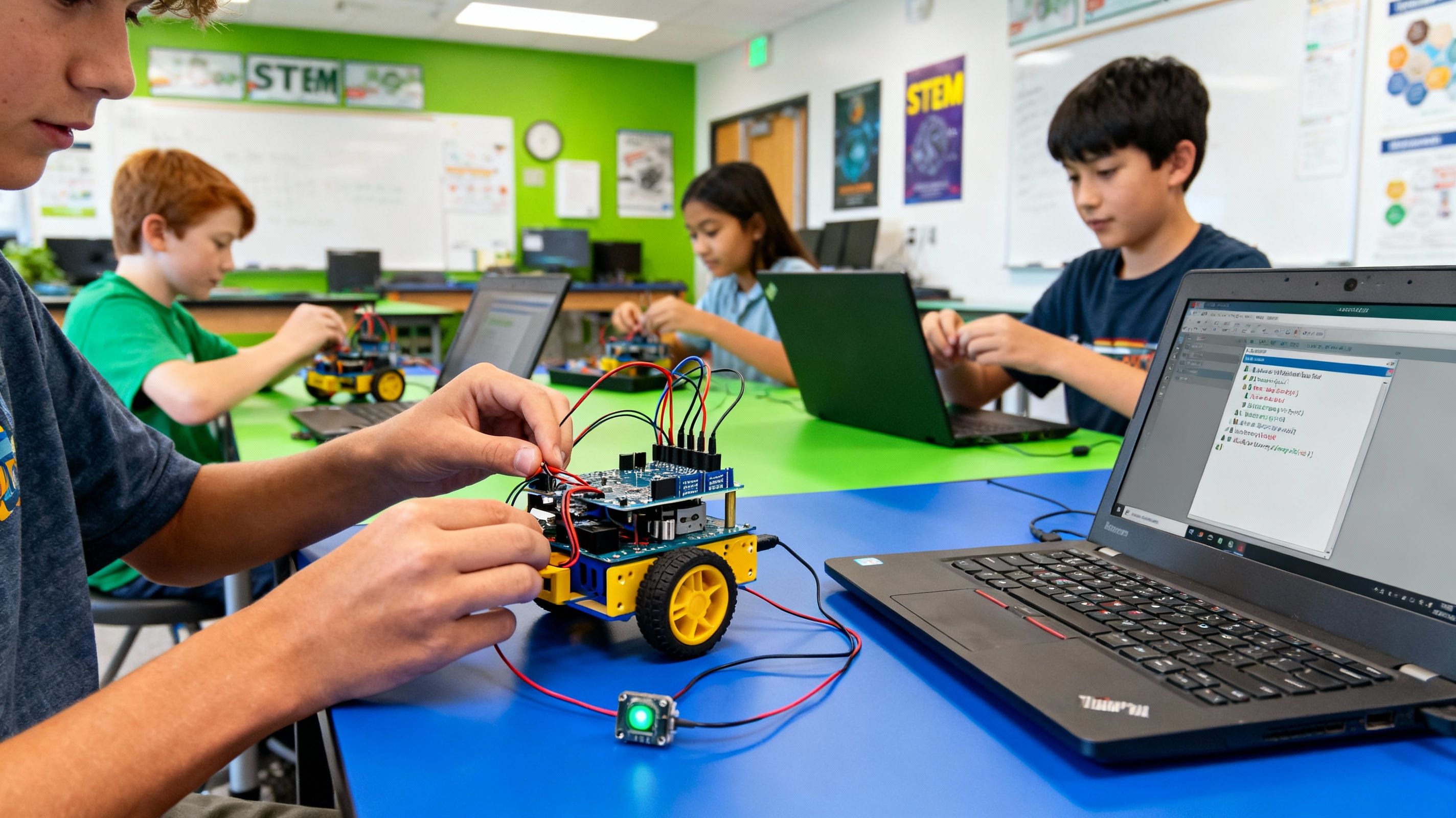
Hands-on STEM learning shifts the focus from passive instruction to active experience.
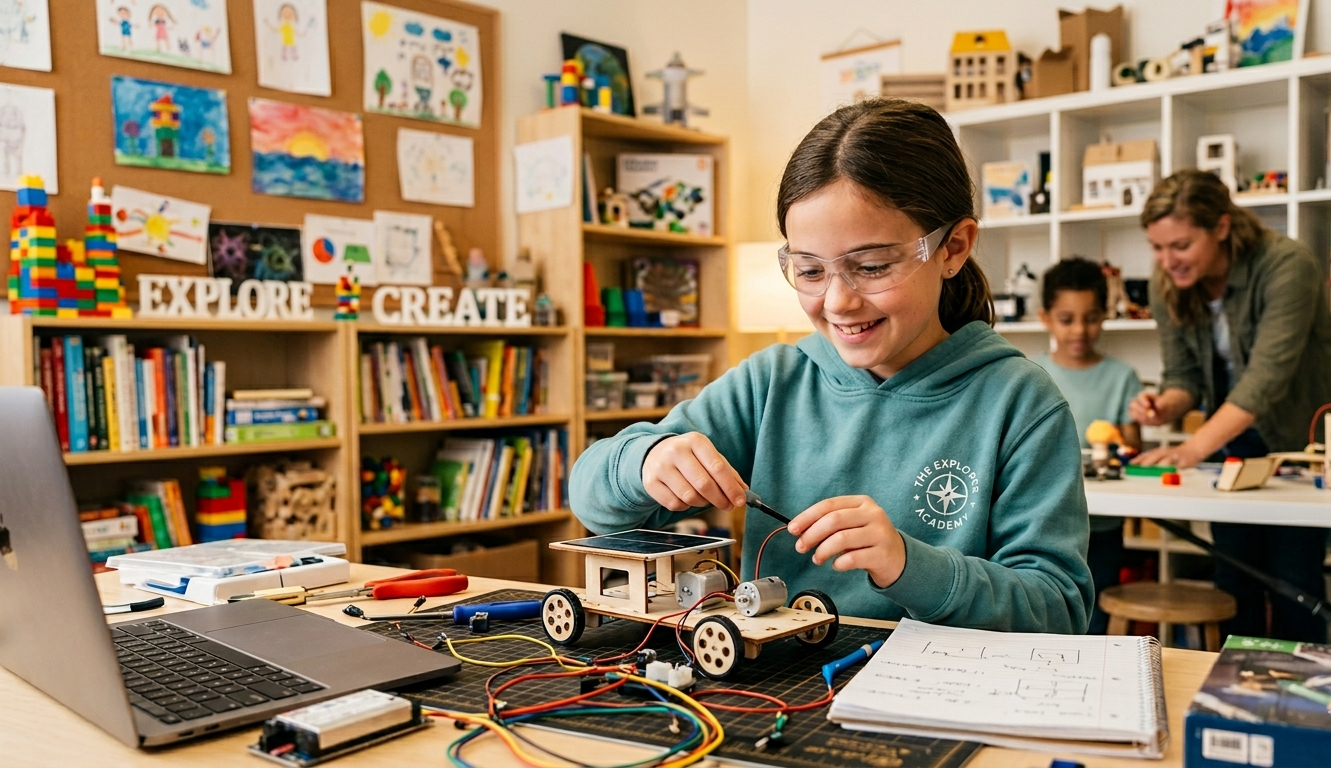
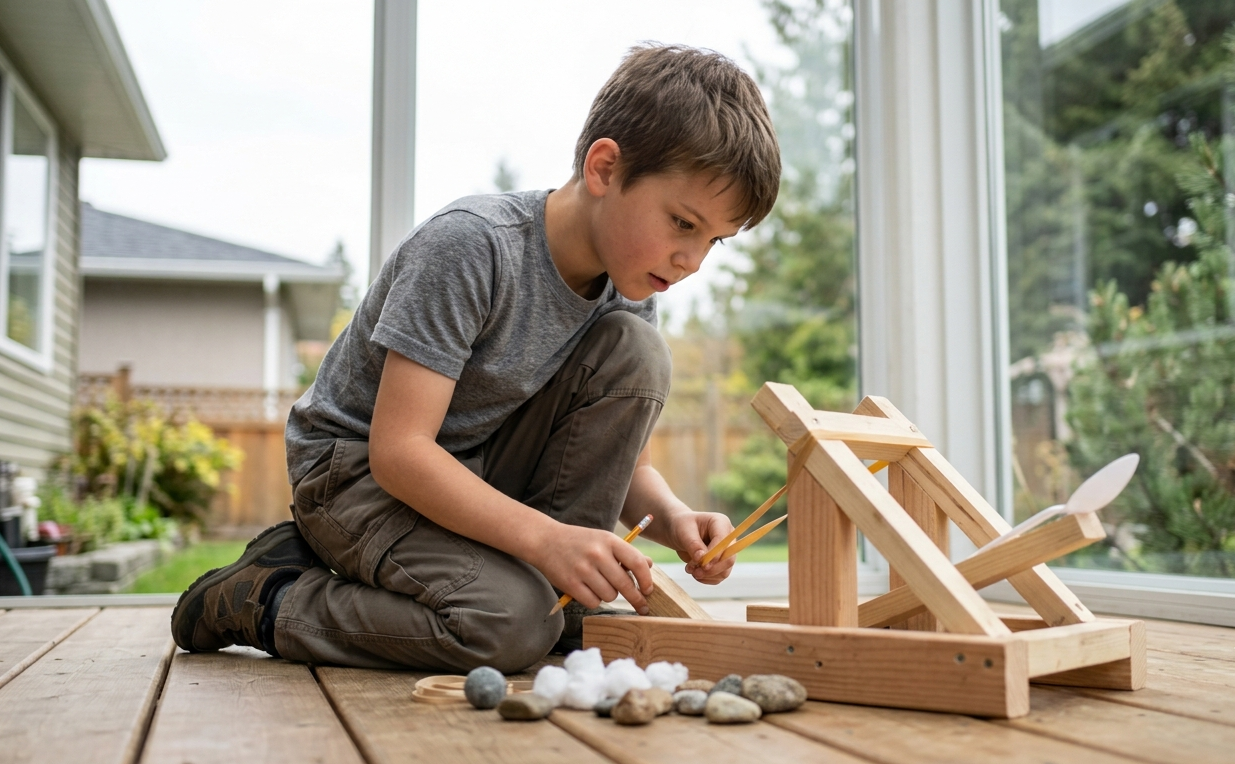
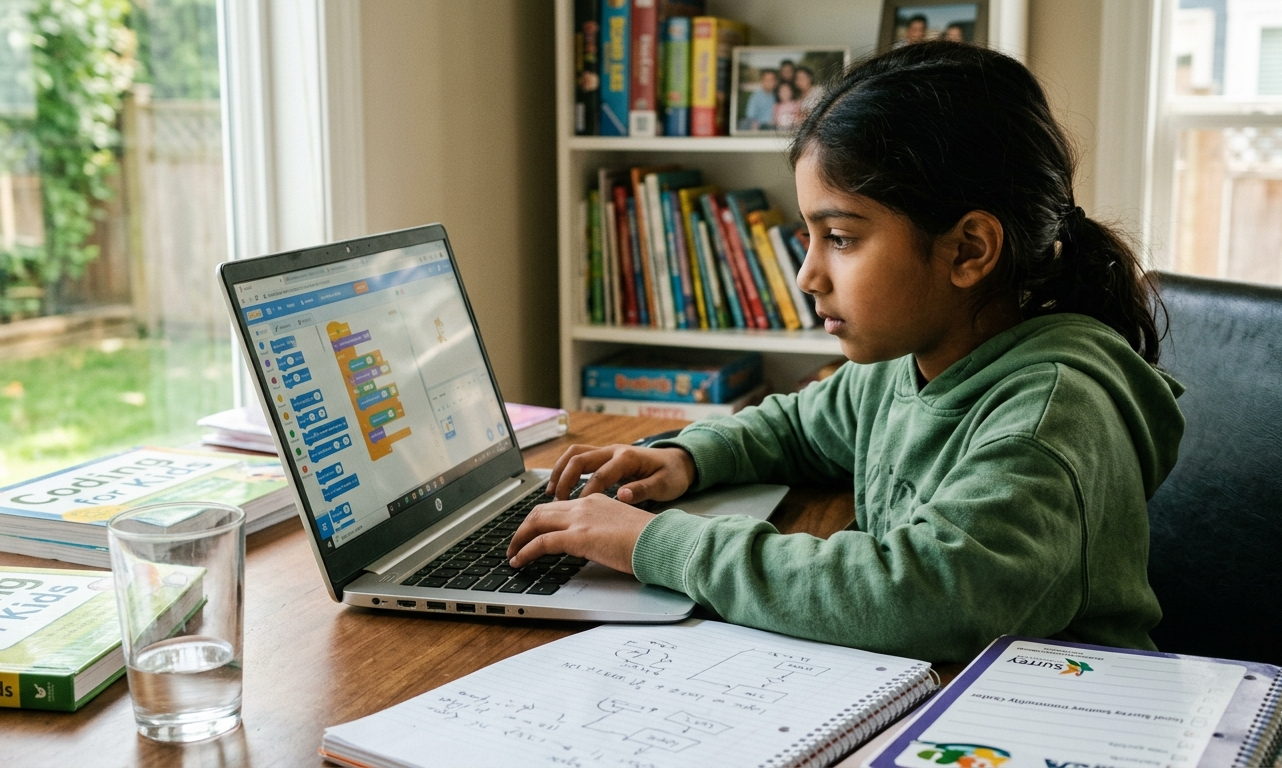
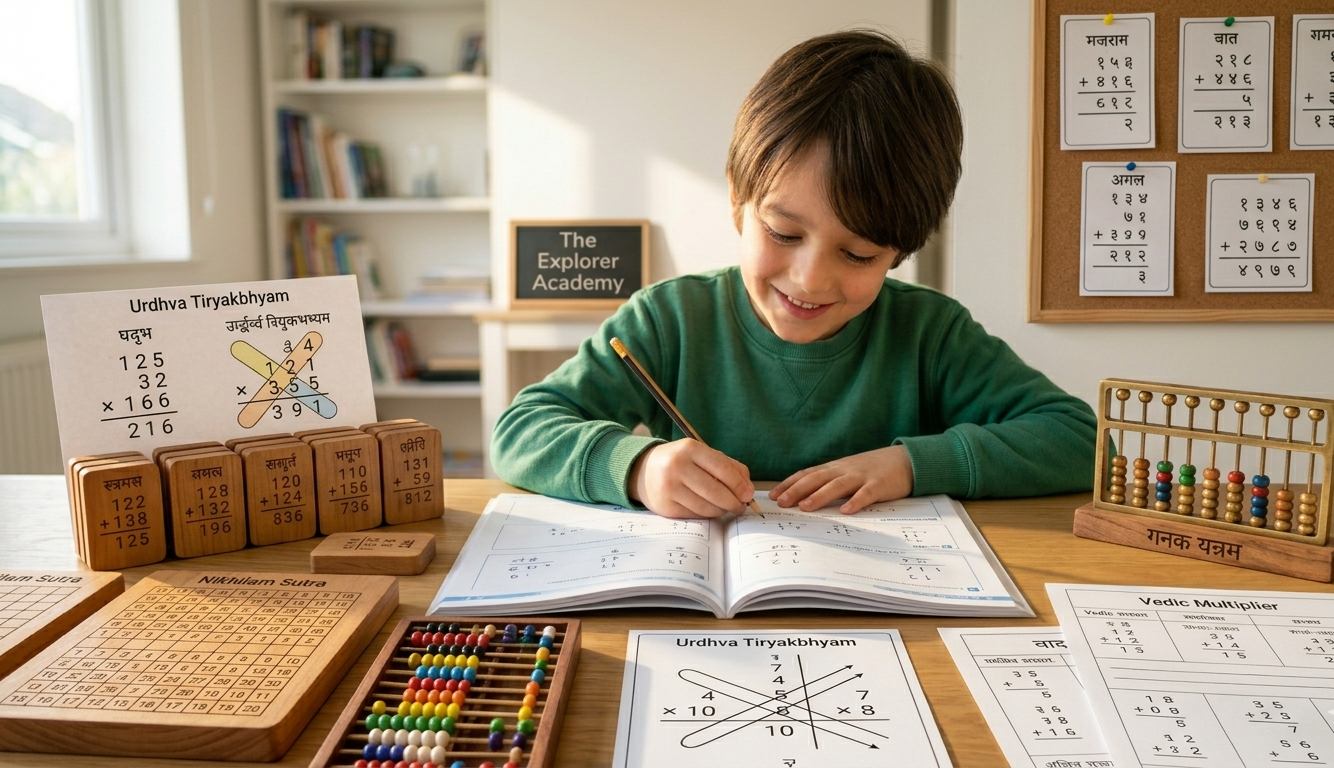
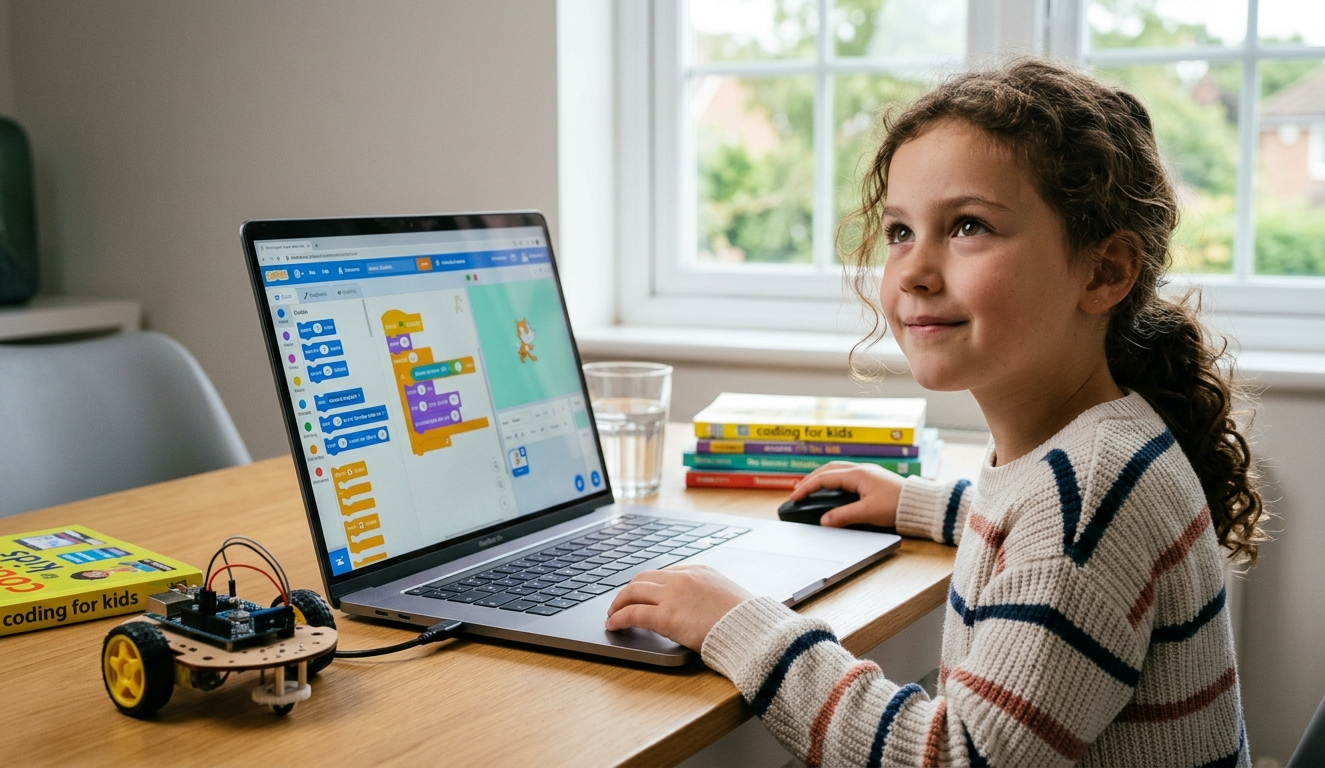
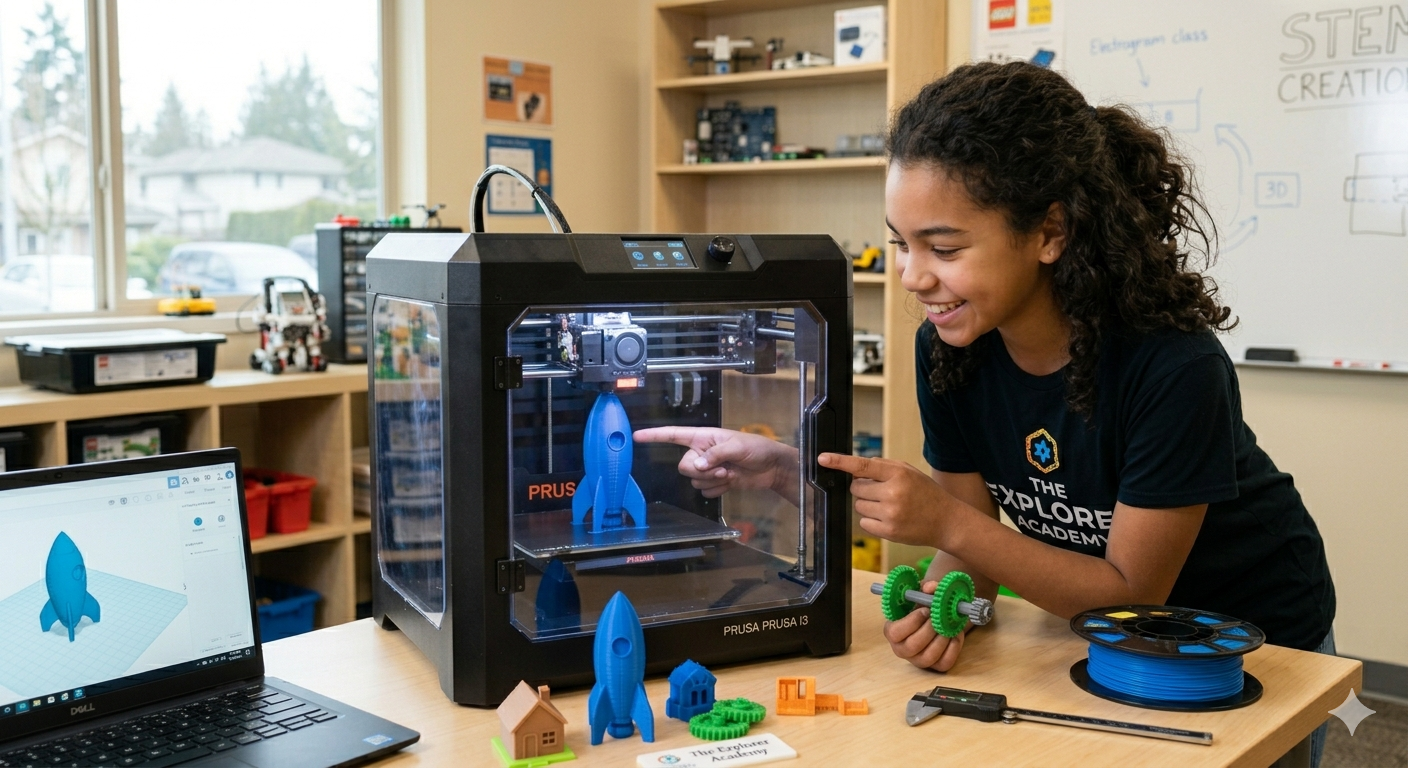
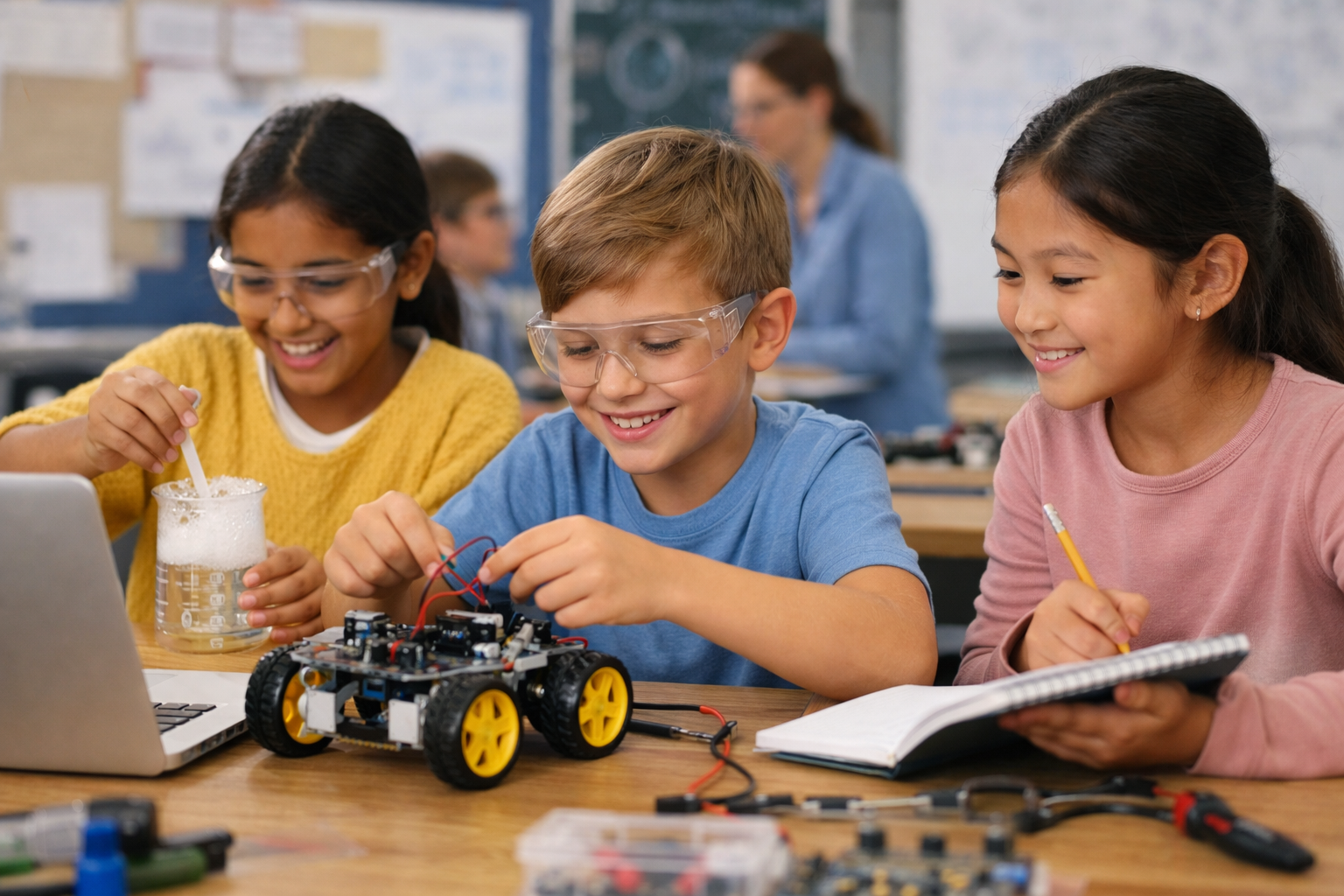
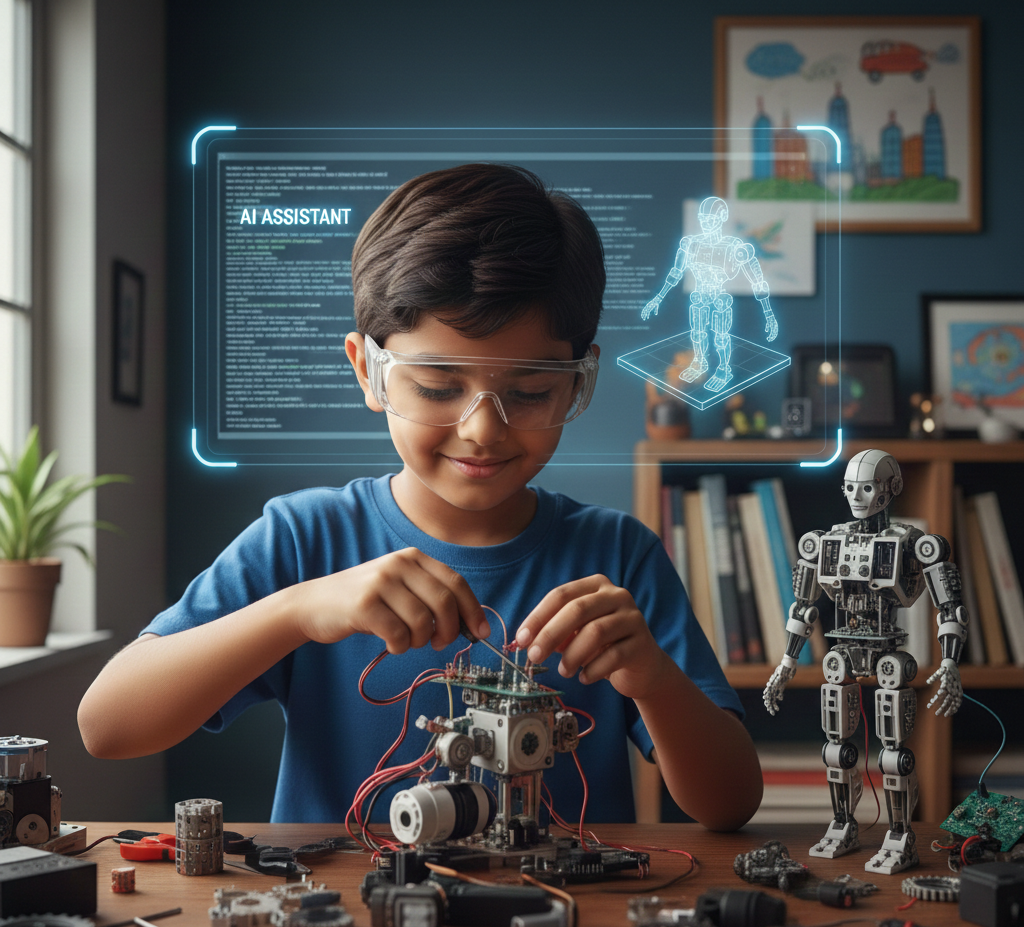
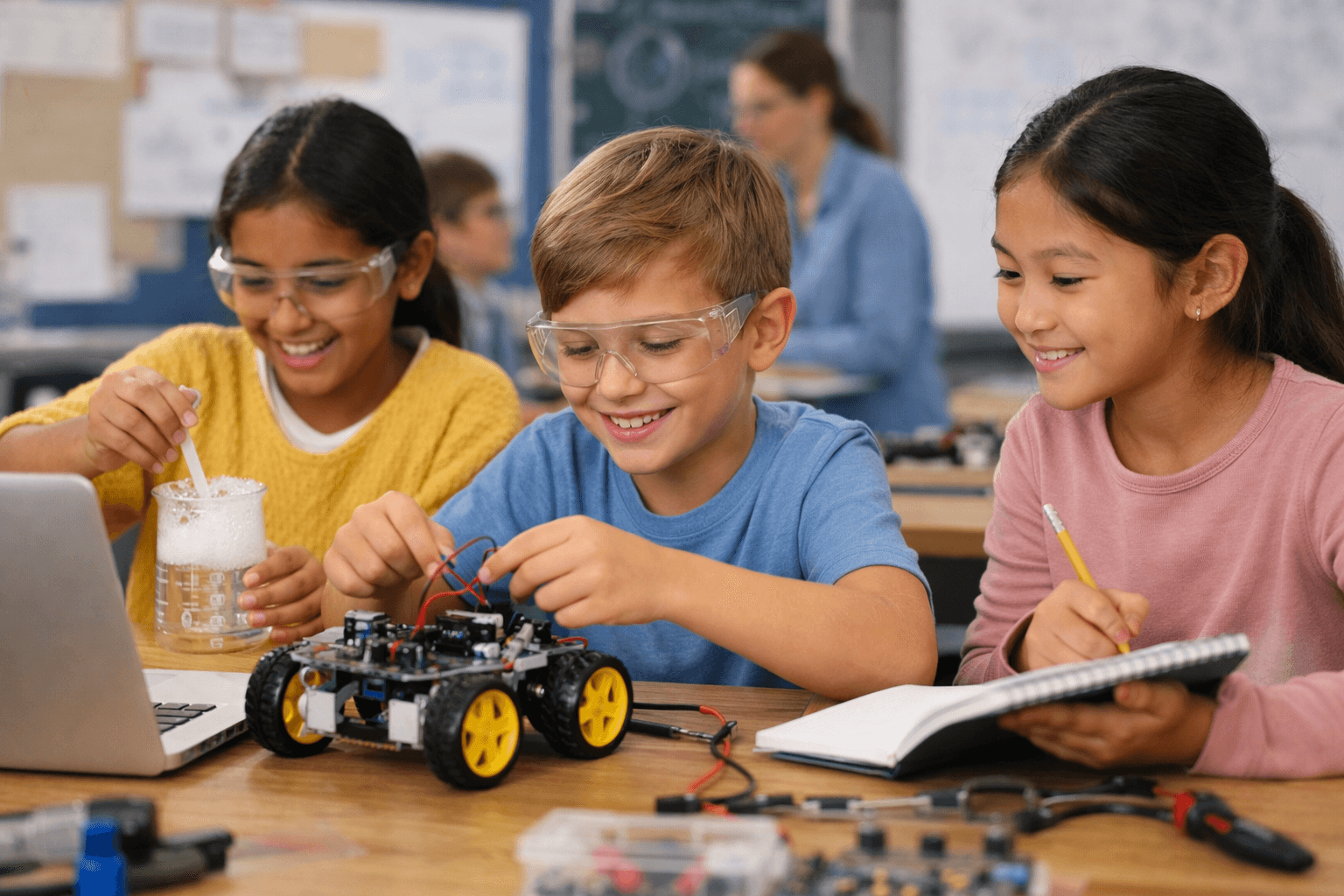
Instead of being told how something works, children explore it themselves. They build, test, experiment and reflect. Learning becomes a process rather than a performance.
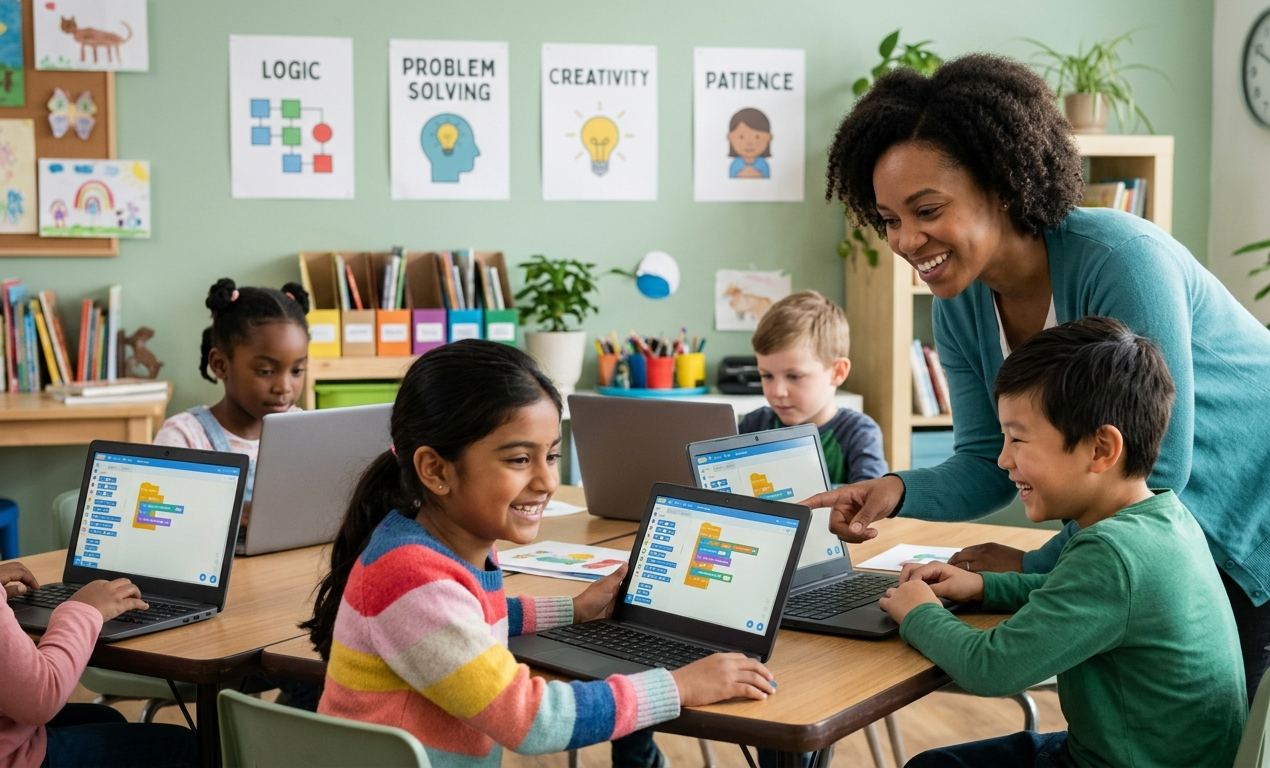
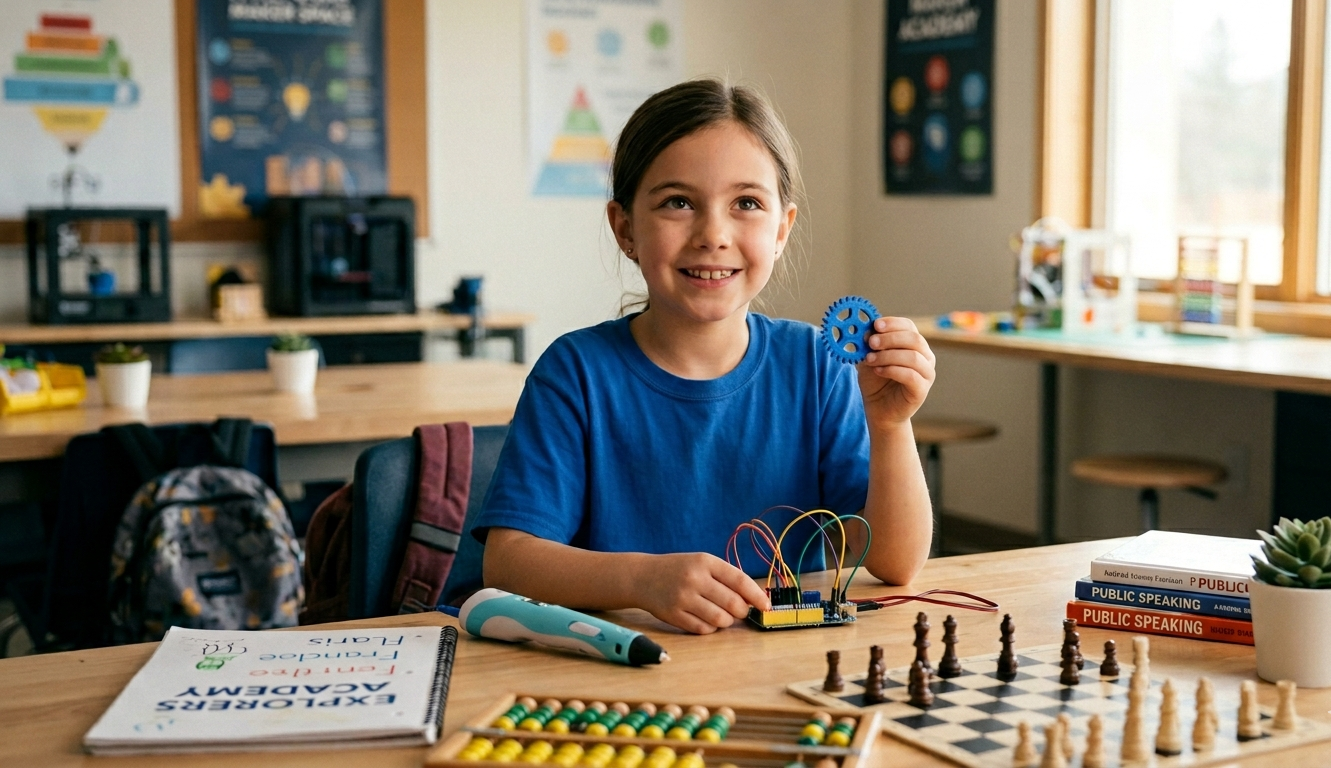
At Explorer Academy, we see how powerful this approach can be when it’s paired with guidance, structure and intention. STEM learning isn’t just about technology - it’s about helping children think clearly, solve problems and understand how ideas connect.
When children learn by doing, curiosity naturally leads the way.
Why Do Kids Understand Better When They Learn by Doing?
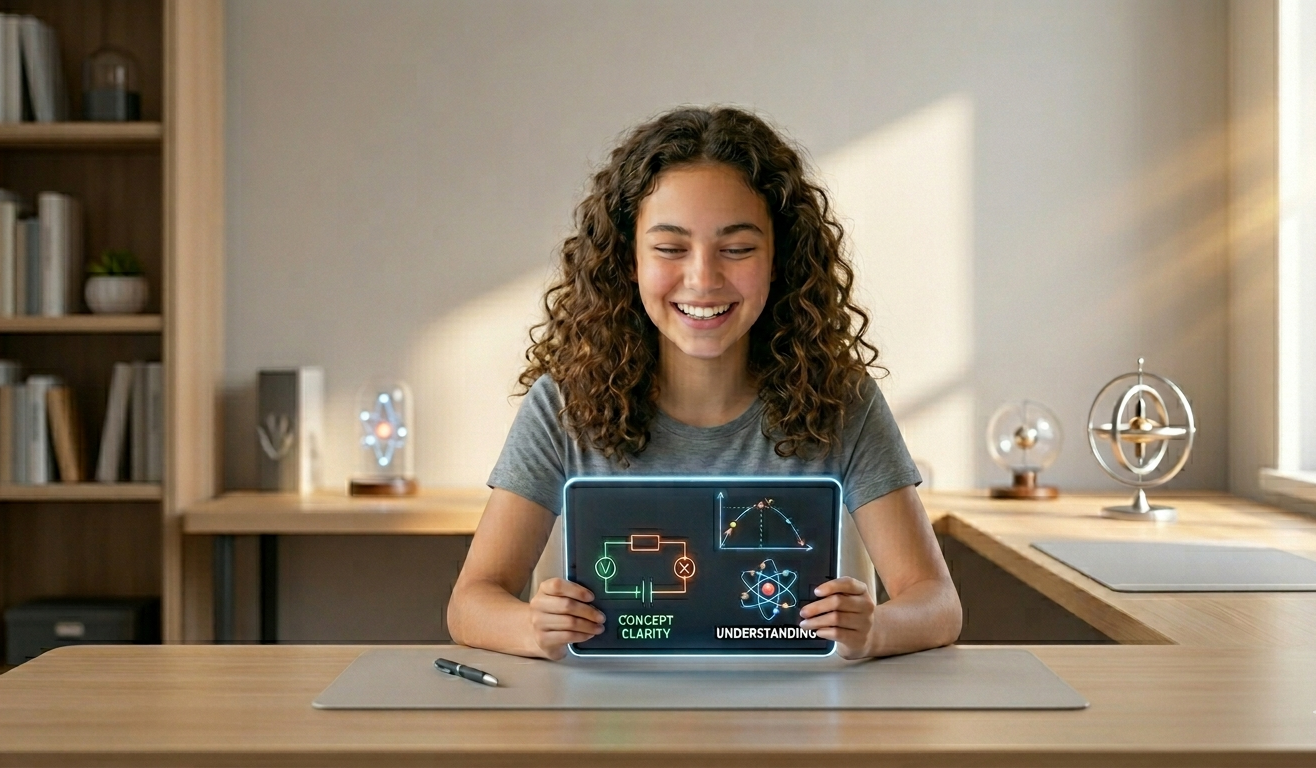
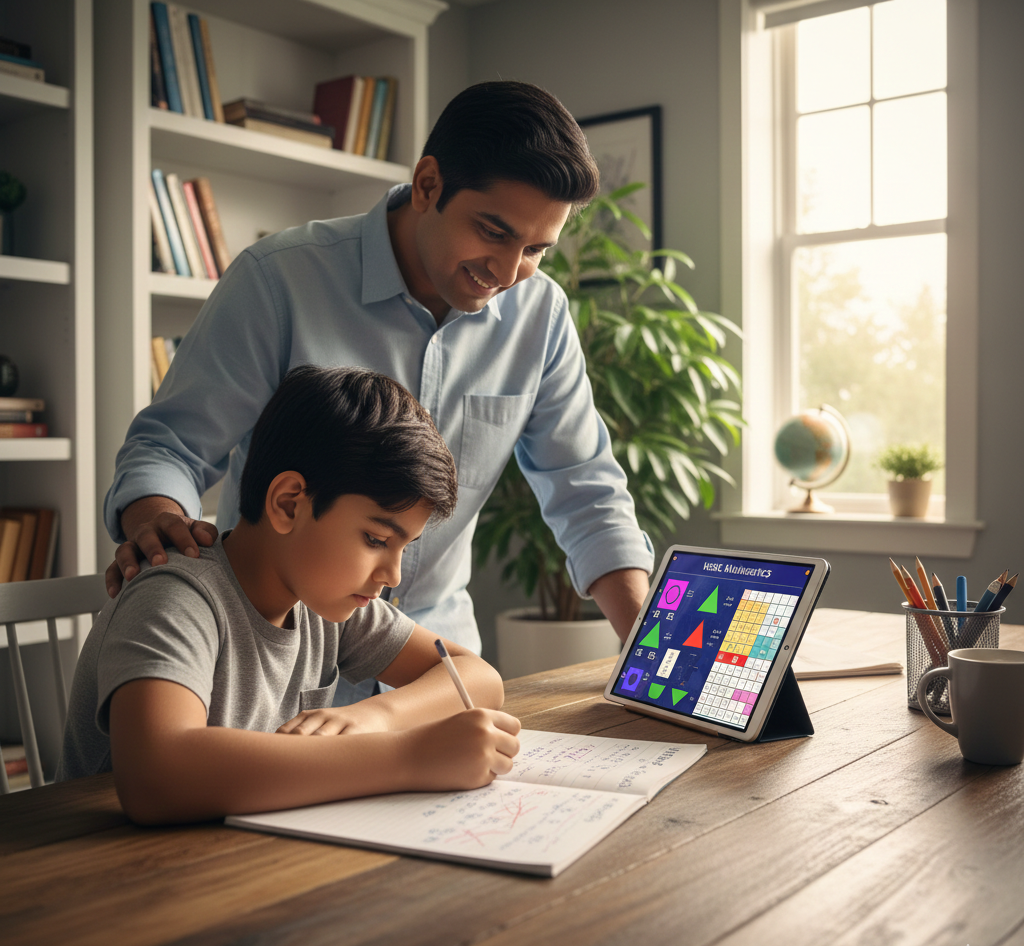
Children learn best when they are engaged both mentally and physically. Hands-on learning allows them to connect abstract concepts with tangible outcomes.
When a child experiments, encounters challenges and adjusts their thinking, learning becomes meaningful. Mistakes aren’t something to avoid - they are part of the process.
This approach also builds resilience and confidence. Children begin to trust their own thinking and develop the patience needed to work through complex problems.
What Is a Science Enrichment Program and How Does It Help Children?
A well-designed science enrichment experience doesn’t rush children forward - it allows them to slow down.
Enrichment creates space for exploration, questioning and reflection. Children can revisit ideas, ask “why,” and make connections that may not fit neatly into a school timetable.
At Explorer Academy, enrichment is about depth, not pressure. It’s about helping children enjoy learning while strengthening focus, understanding and self-belief.
Why Is Balance Important in How Children Learn Today?
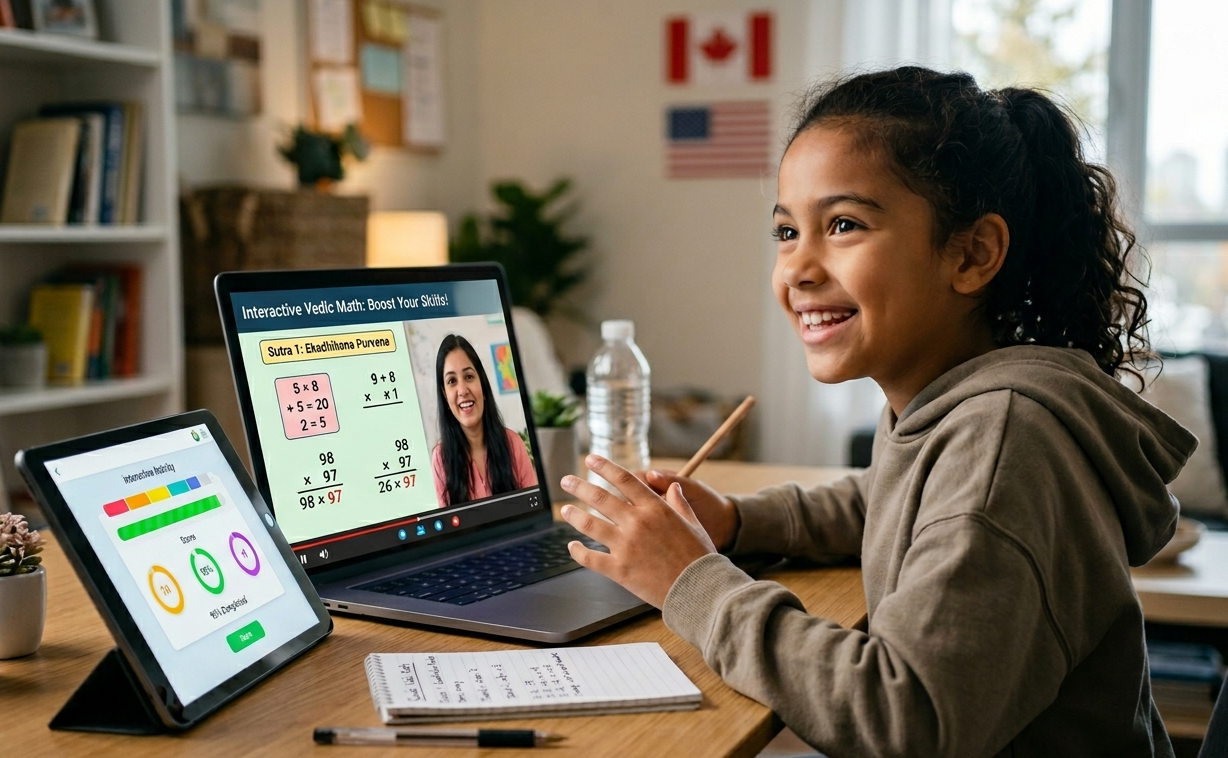
Children today are surrounded by screens and stimulation. While technology is a powerful learning tool, it needs to be used thoughtfully.
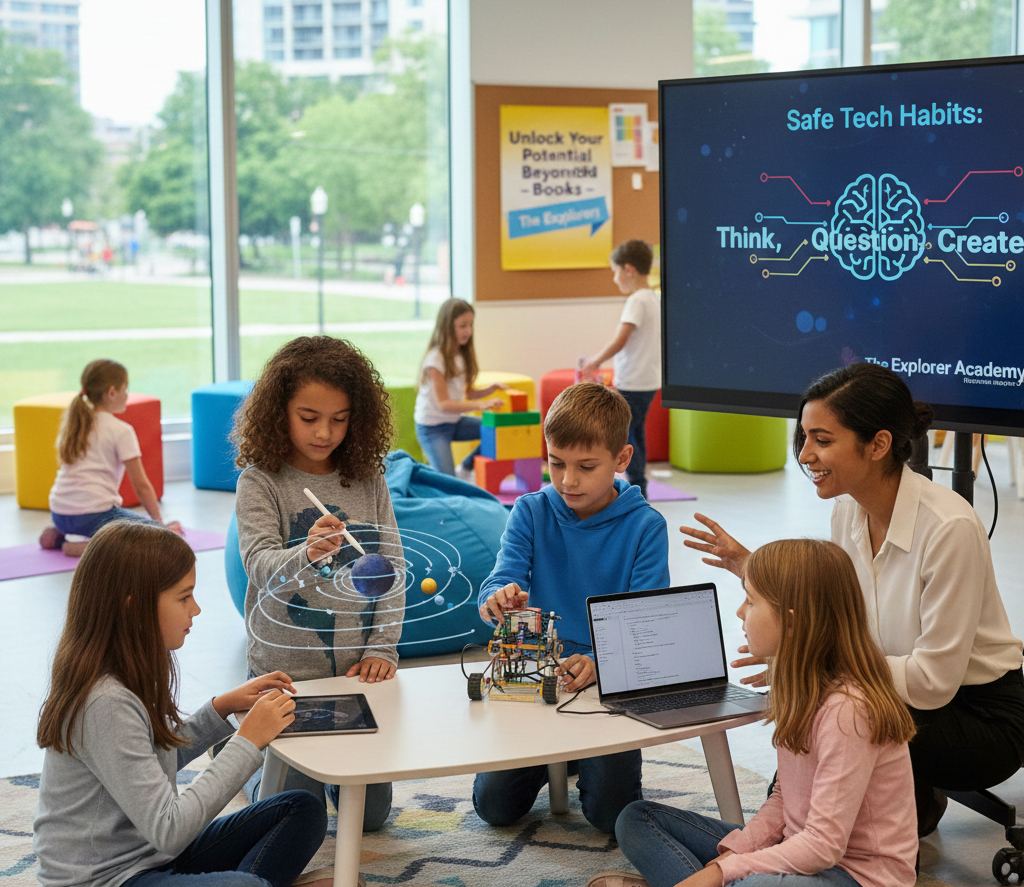
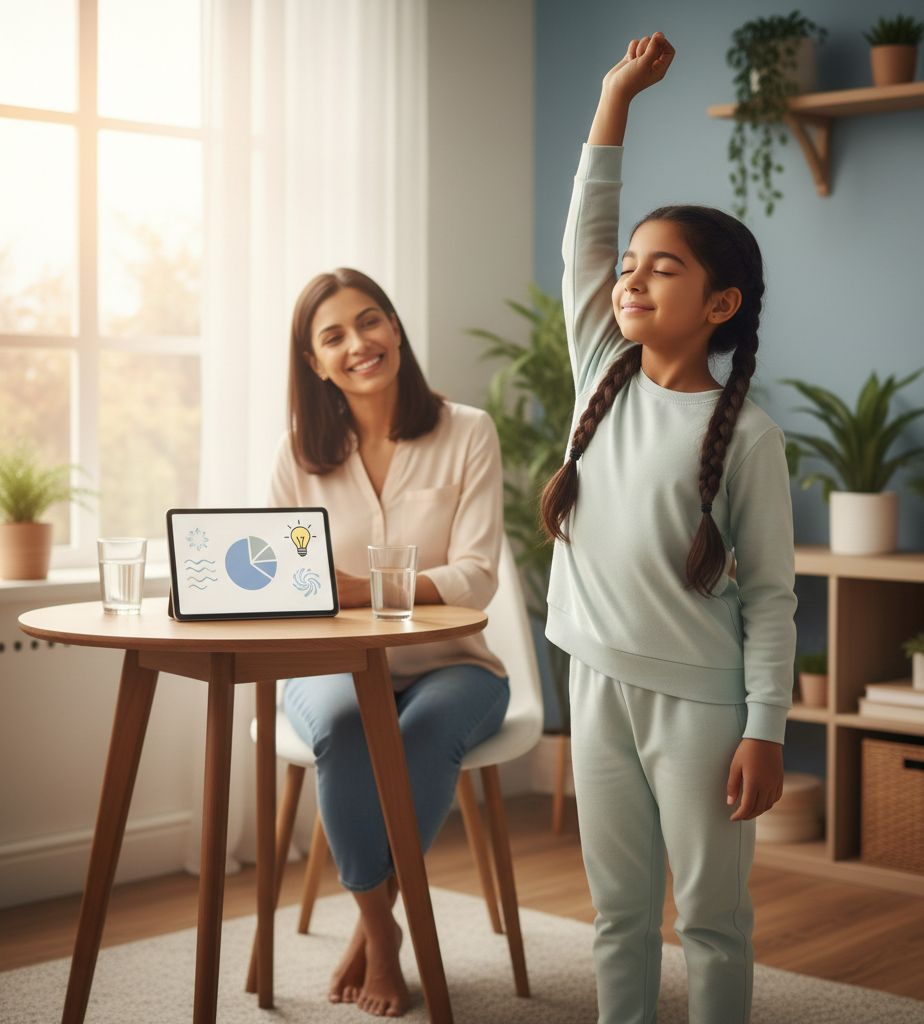
That’s why Explorer Academy blends hands-on STEM with digital awareness, short movement-based focus breaks, and moments of mindfulness. These elements help children reset, stay present and approach learning with clarity rather than overwhelm.
Learning isn’t just cognitive - it’s emotional and physical too. When children feel centred and calm, they are better able to absorb new information and stay engaged.
How Does Hands-On STEM Learning Build Future-Ready Skills?
The skills children need for the future go beyond academic achievement. They need to learn how to think independently, adapt to change and use technology responsibly.
Hands-on STEM learning supports this by encouraging:
- Problem-solving through experimentation
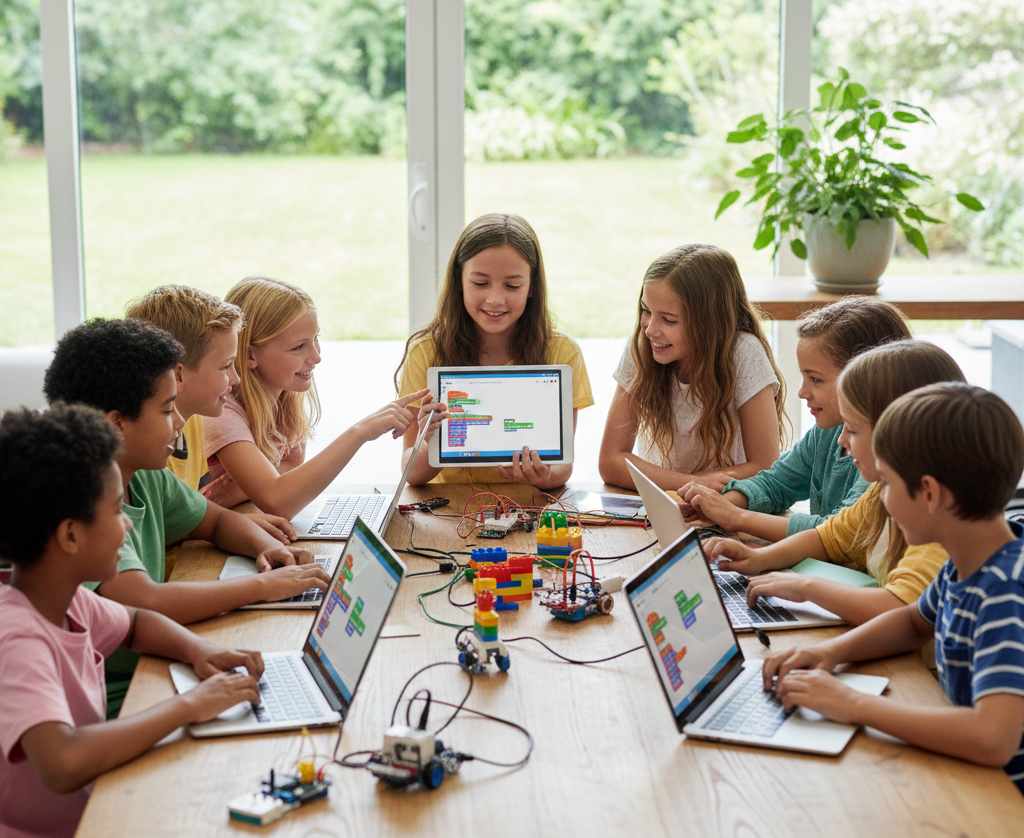
- Collaboration and communication
- Focus and persistence
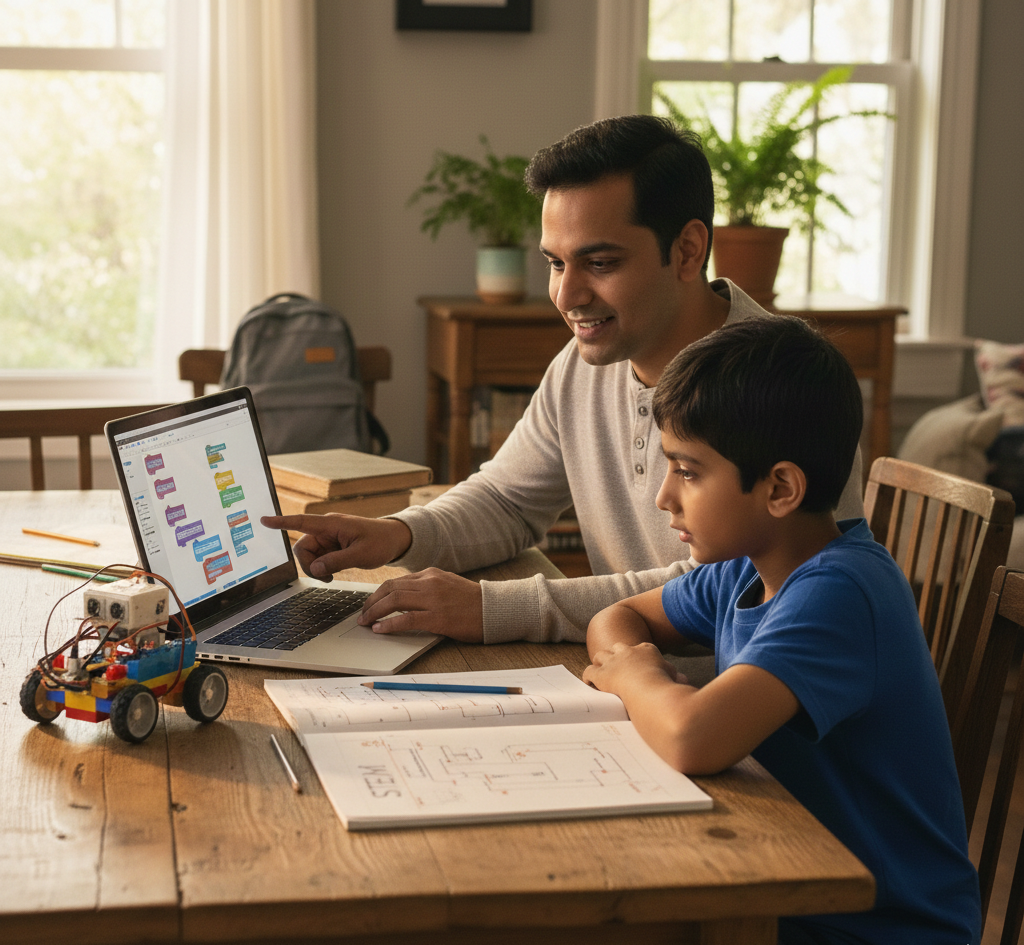
- Thoughtful use of technology
When paired with mindfulness and emotional awareness, these skills help children grow into confident, grounded learners ready to navigate an AI-driven world without feeling overwhelmed by it.
Hands-On STEM vs Classroom Learning: Which One Is Better for My Child?
The question isn’t whether classroom learning or hands-on STEM is better. It’s how they work together.
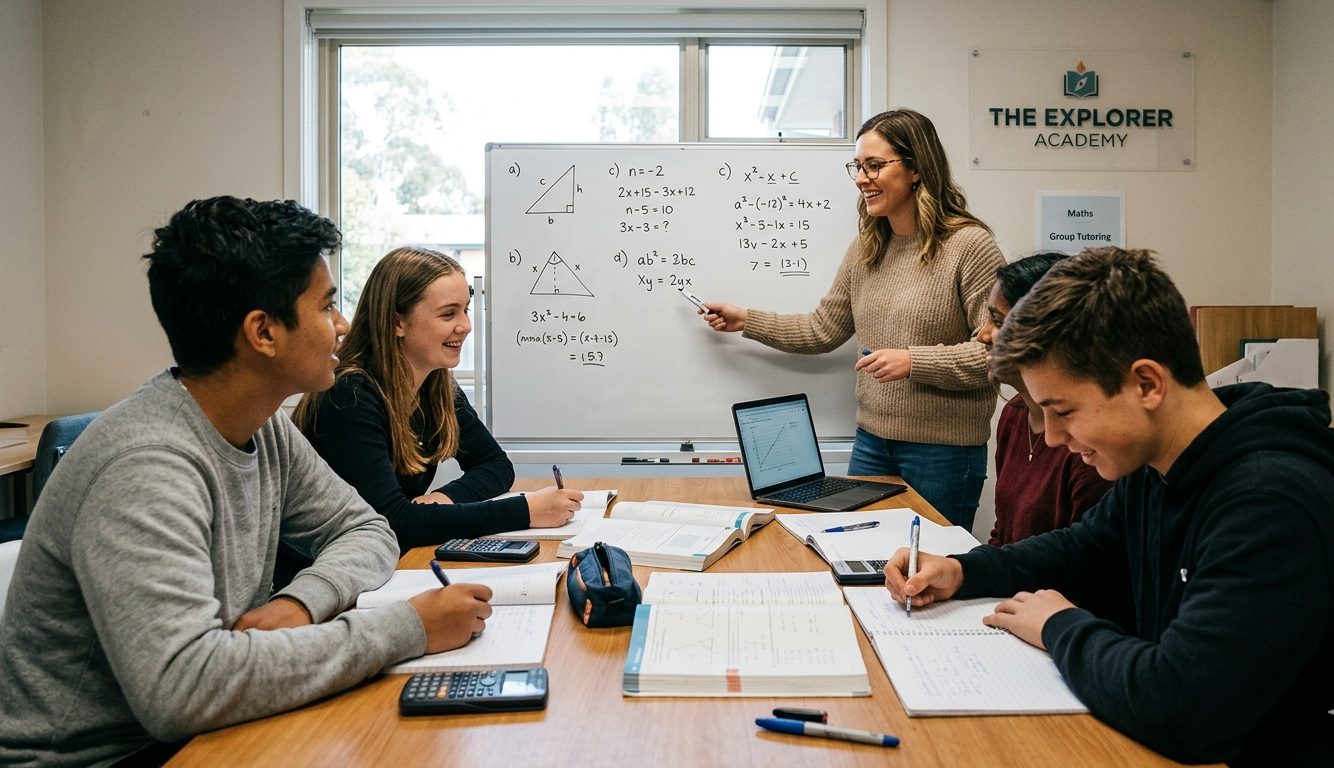
Classroom learning provides the foundation. Hands-on STEM enriches that foundation by helping children understand, apply and enjoy what they are learning.
At Explorer Academy, we believe the most effective learning happens when children are supported as whole individuals - academically, emotionally and mentally.
What Is the Best Way to Combine STEM Learning and School Education?
Education today isn’t about doing more. It’s about doing what matters.
When learning combines structure with exploration, technology with mindfulness and knowledge with emotional balance, children thrive.
Hands-on STEM learning doesn’t replace classroom education - it strengthens it. And when it’s delivered with care, intention, and balance, it helps children grow into thoughtful, confident and future-ready individuals.
That’s The Explorer Academy difference.
About The Explorer Academy
Educator and contributor at The Explorer Academy, dedicated to engaging and enrichment-focused learning for kids.