The Biggest Risk Isn’t “Too Much Technology” – It’s Untrained Technology Use
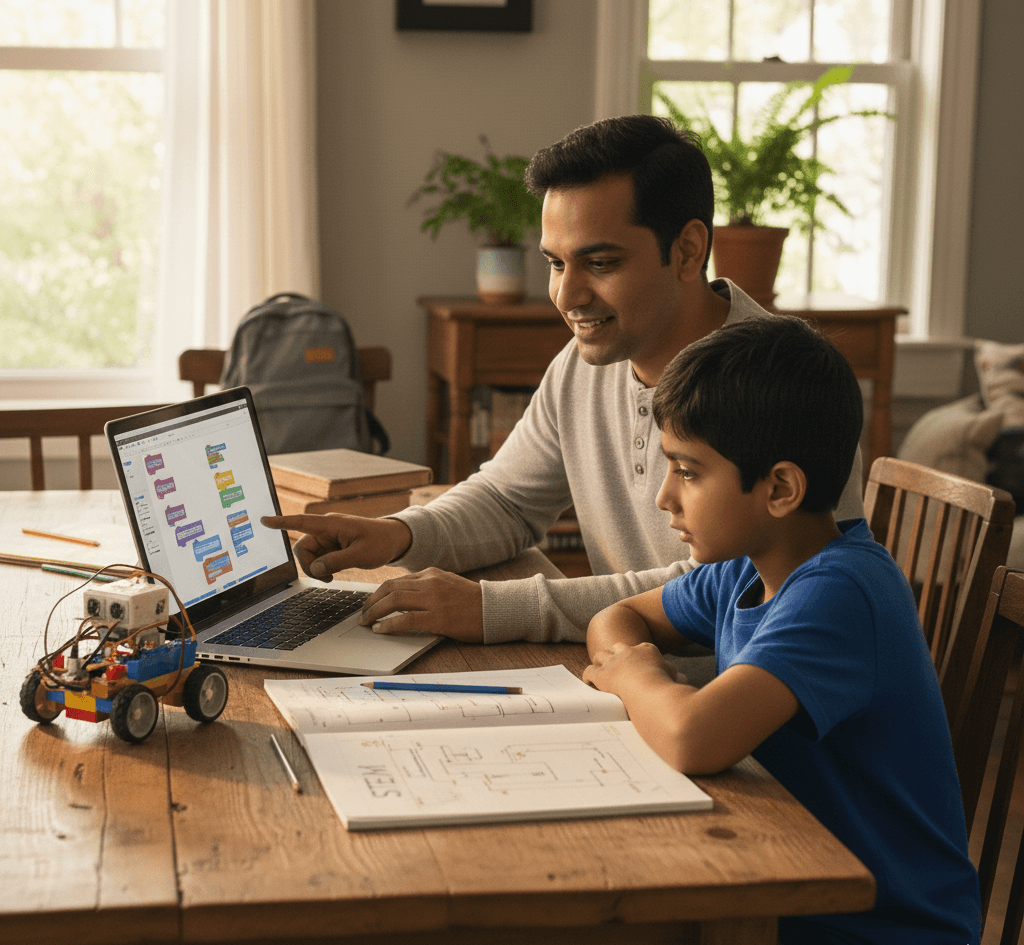
As a parent, it's tough not to fret when your kid's glued to a screen, endlessly scrolling or watching videos. That voice in your head keeps asking: Am I letting them have too much tech time?
It's not the amount of screen time that's the real problem. It's the lack of guidance while they are on it. Kids grab devices like pros but figuring out how to use them smartly with purpose and balance that takes a parent's nudge.
What happens when kids use technology without guidance?
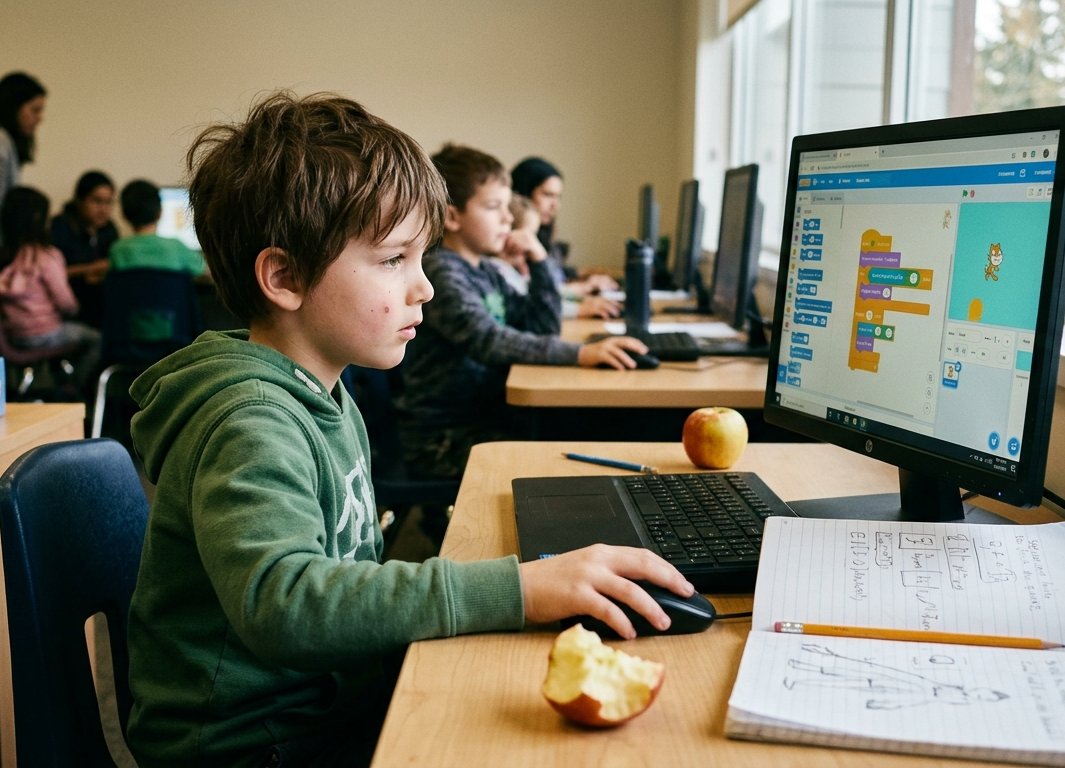
You might think just handing over a tablet means they are learning. Nope. Without direction, it often turns into:
- Super short attention spans and nonstop distractions
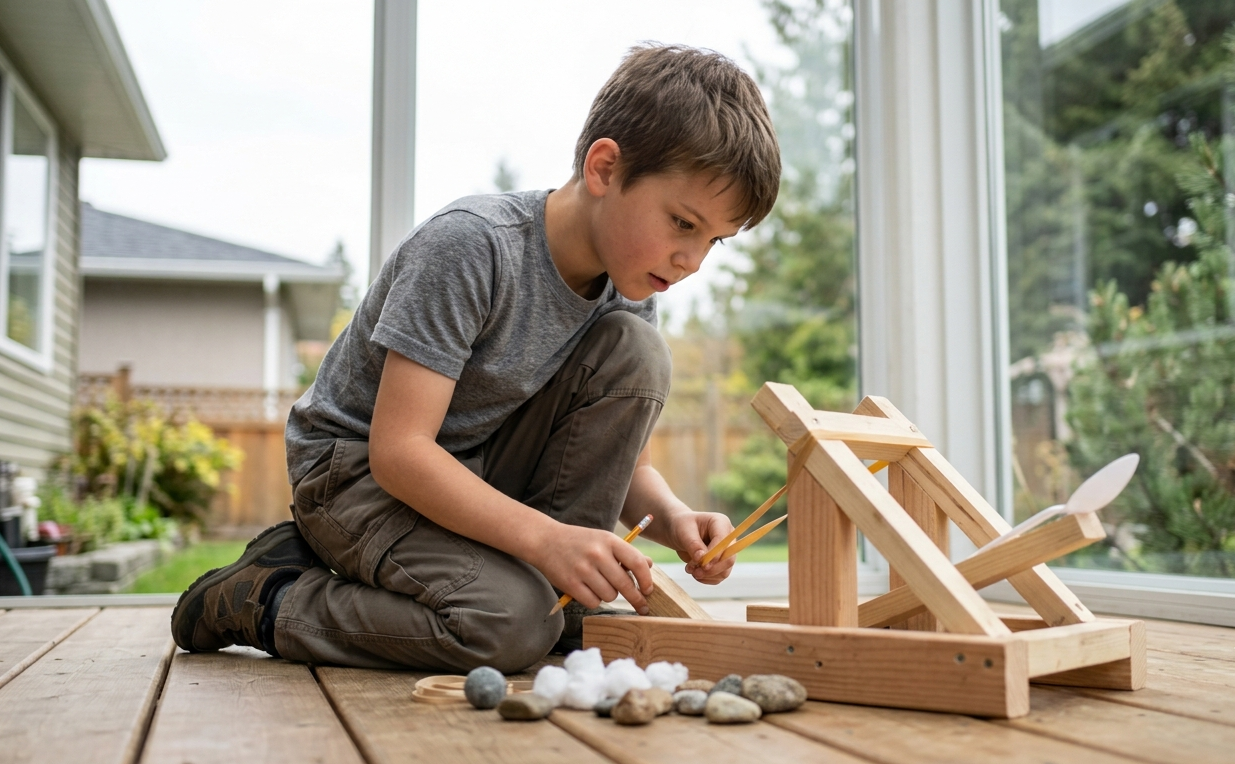
- Mindless watching instead of making stuff
- Relying on quick Google answers instead of thinking for themselves
And emotionally? Kids get cranky, bored or fidgety when screens take over without any real challenge. Over time, it eats away at their confidence and that natural spark of curiosity you love seeing.
Why is guided learning better than screen time limits?
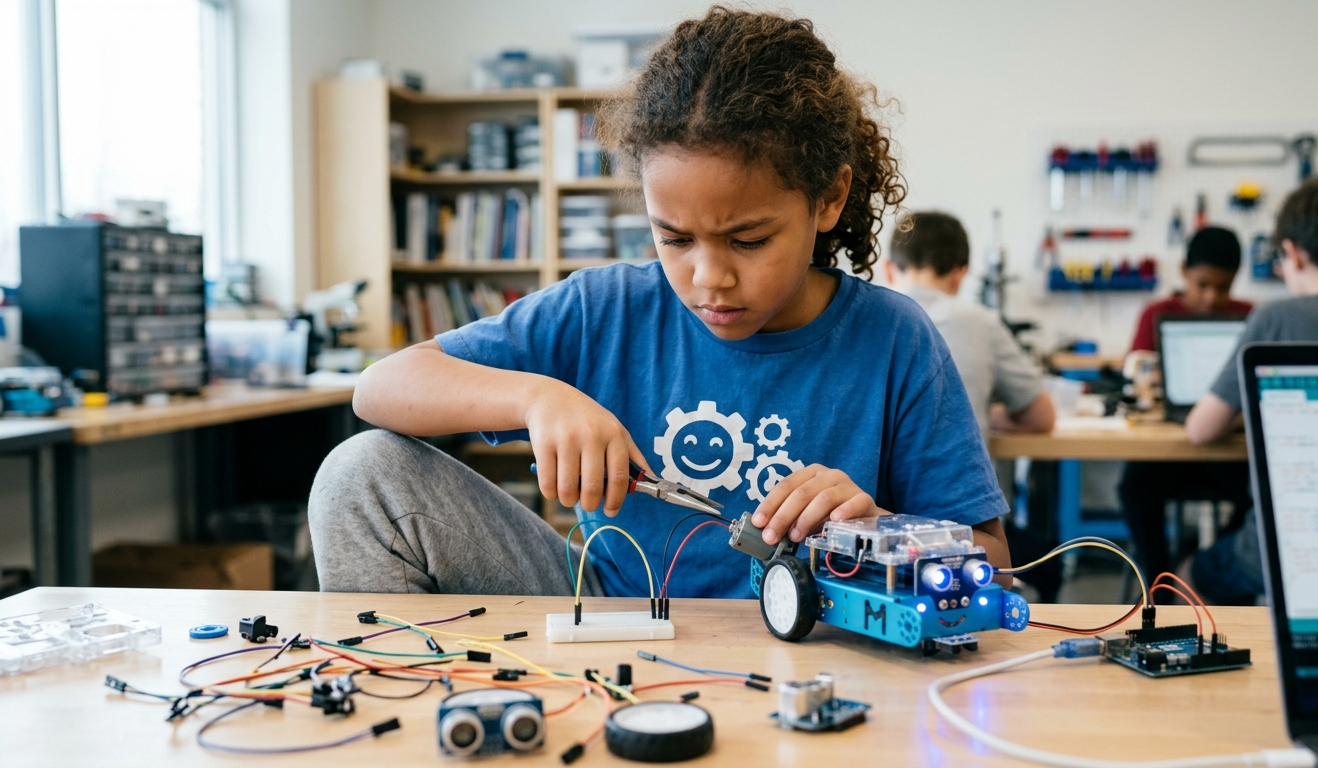
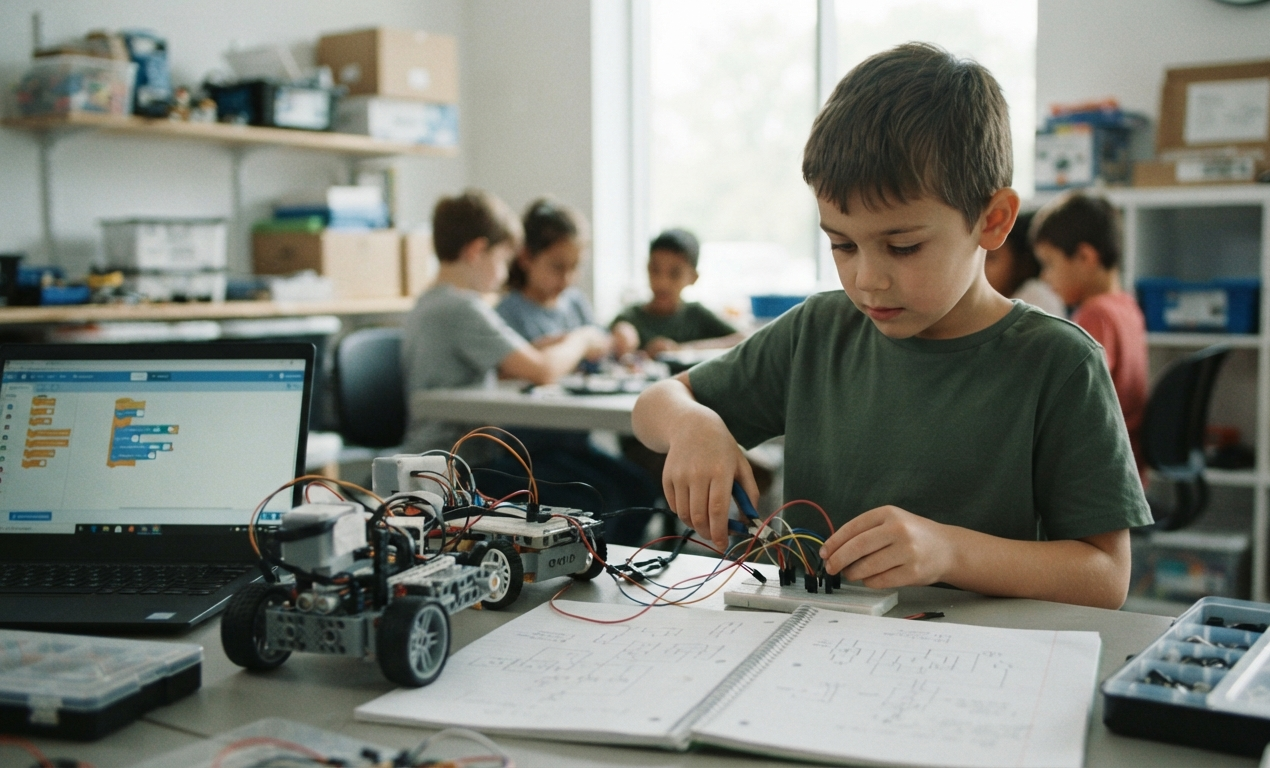
Lots of us set hard rules like "one hour max." Boundaries matter, sure but studies show quality trumps quantity. Ten minutes of random TikTok is worse than an hour building a robot or coding a game.
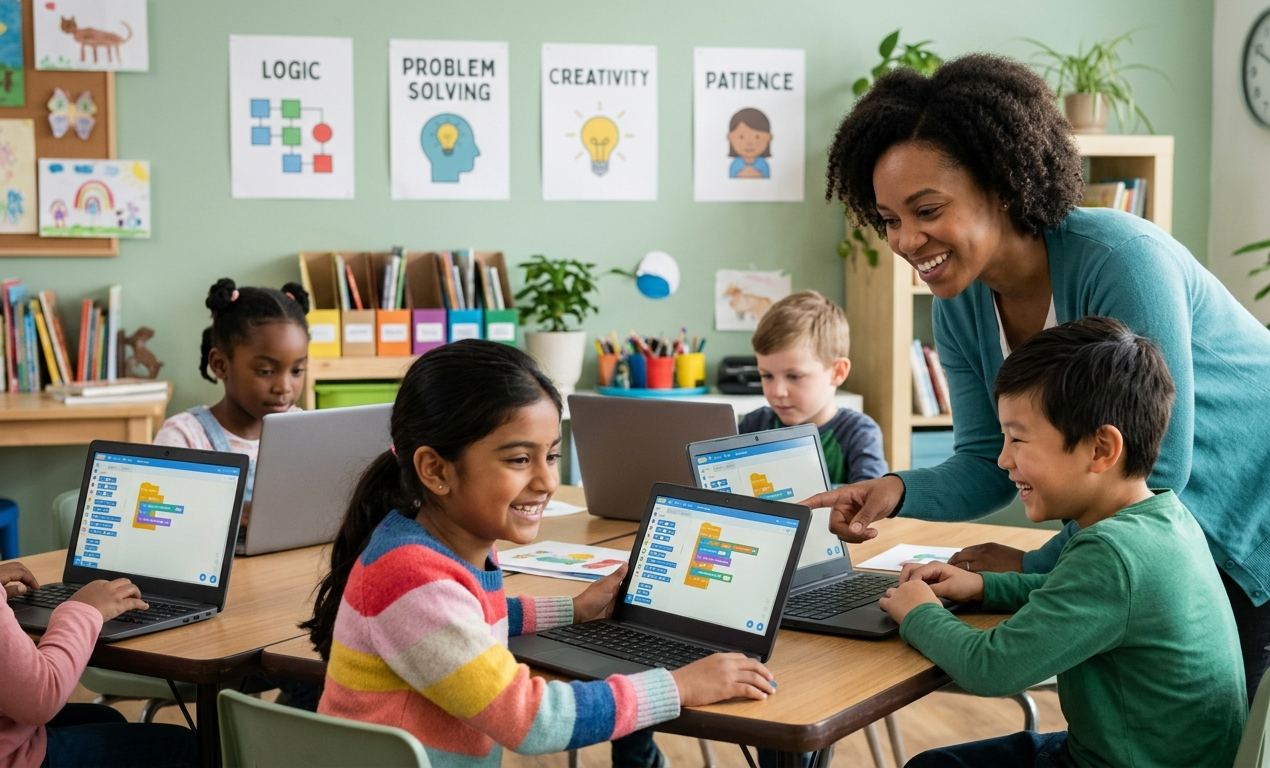
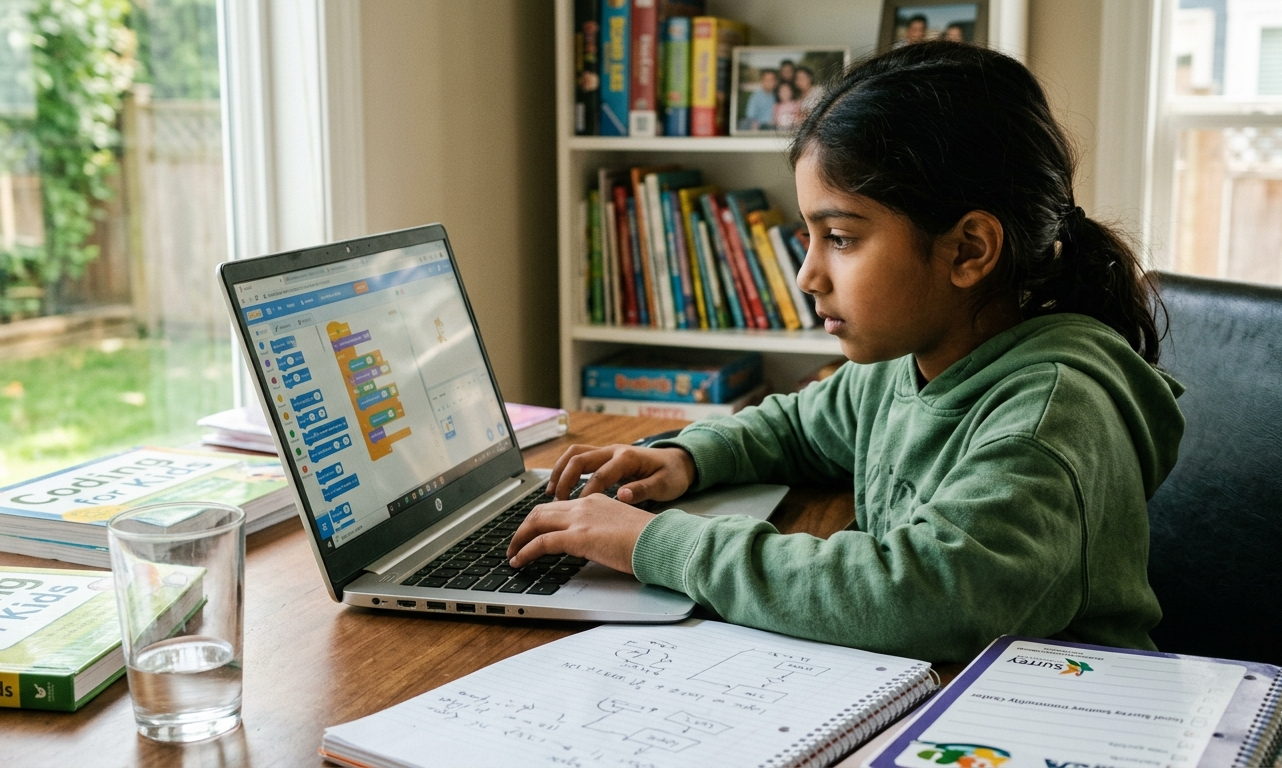
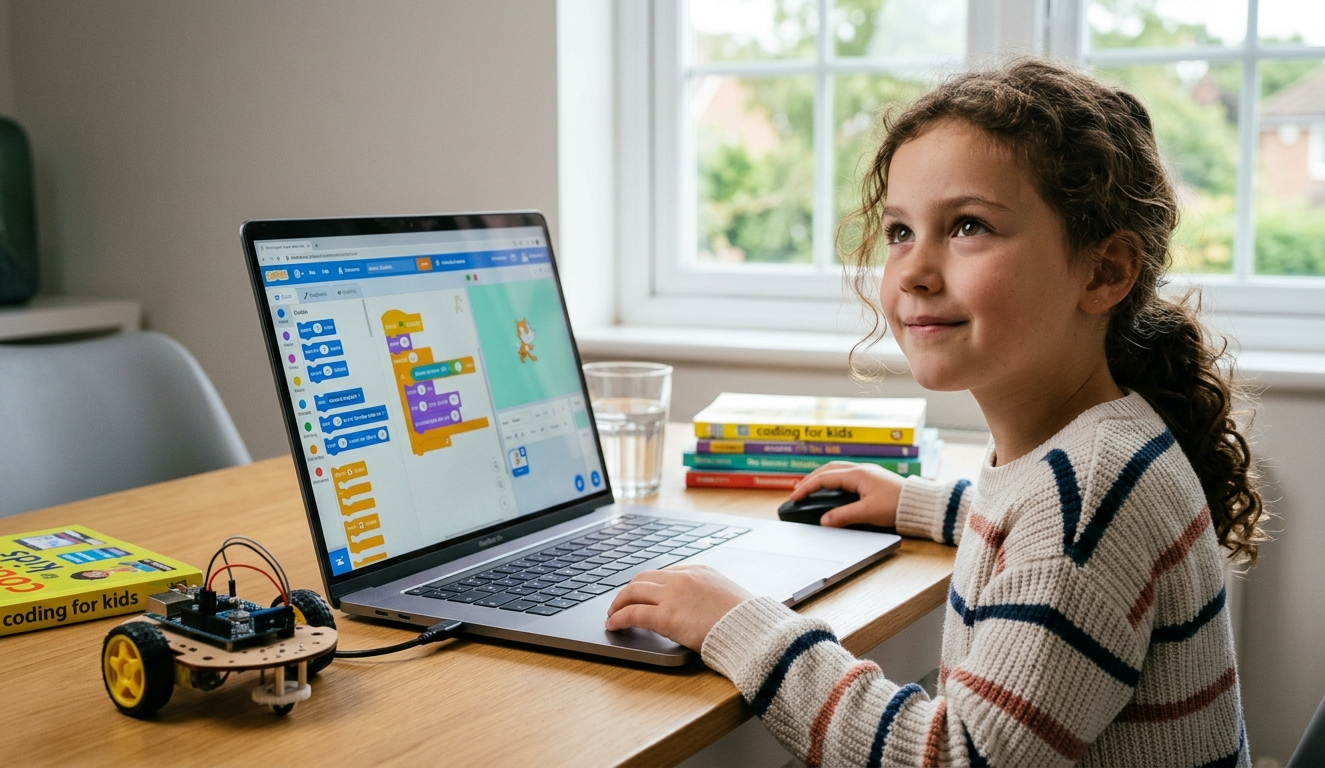
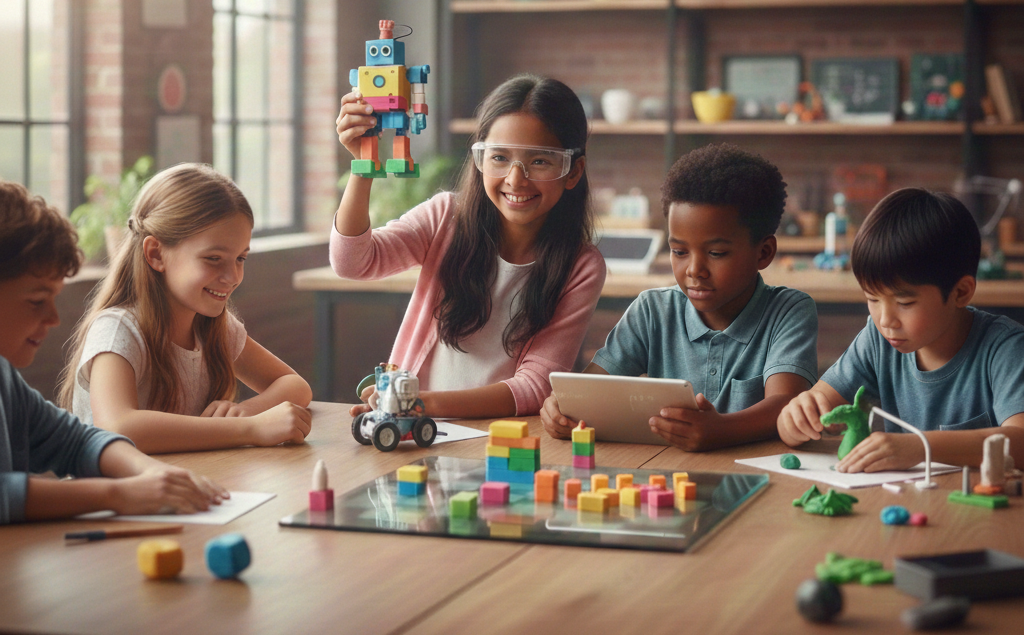
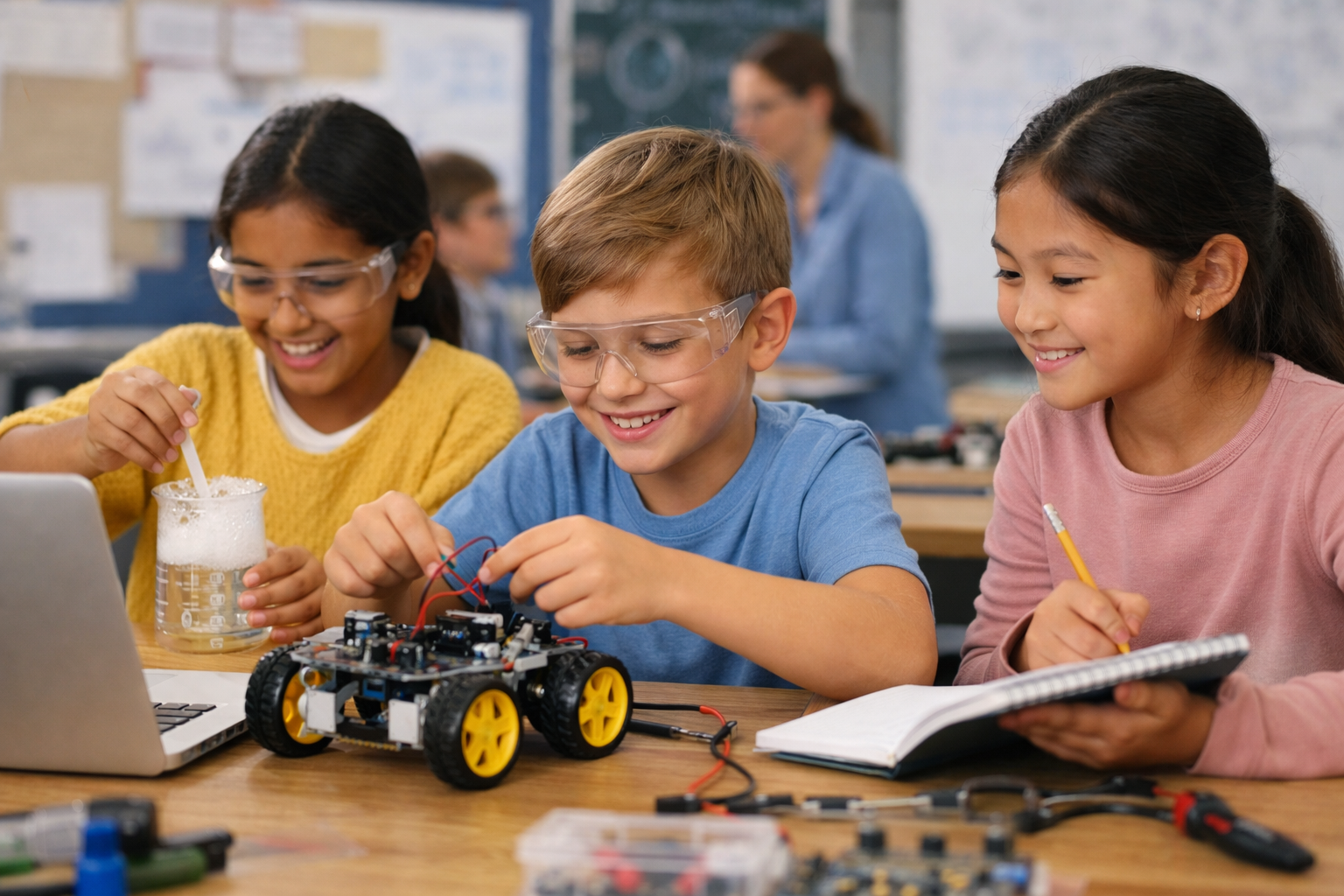
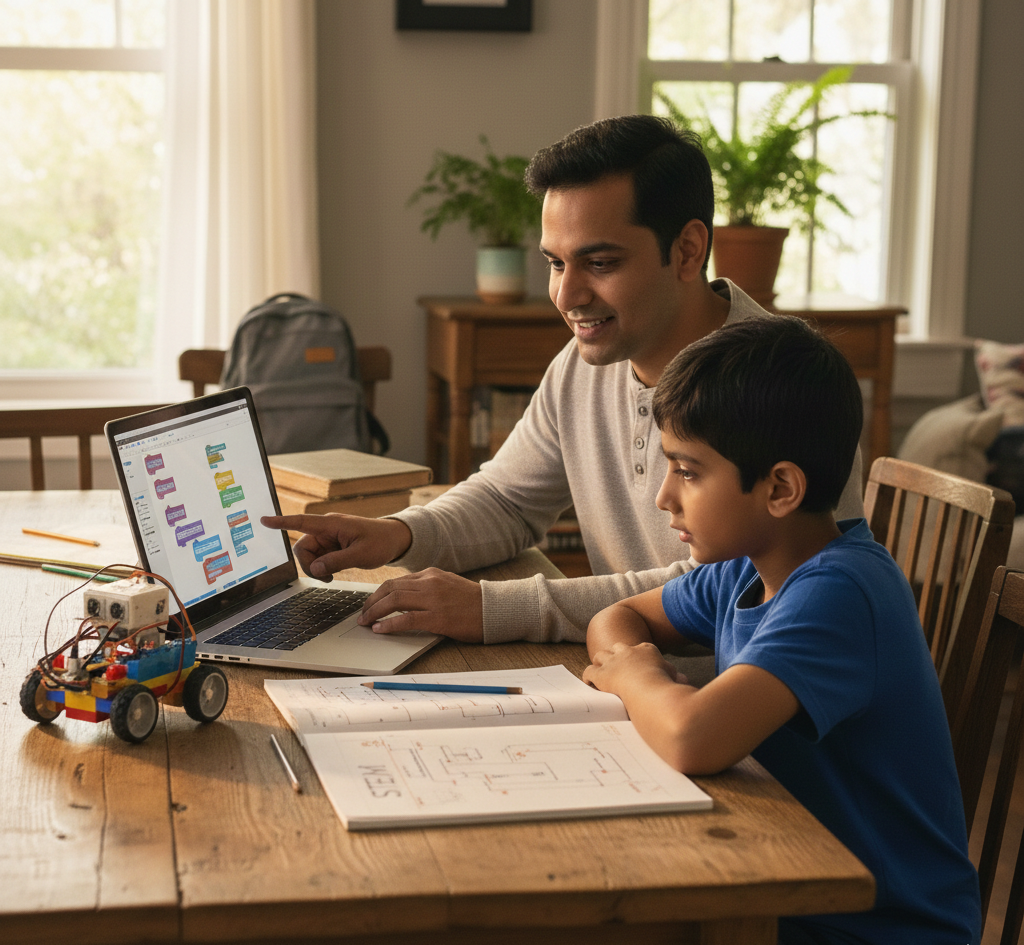
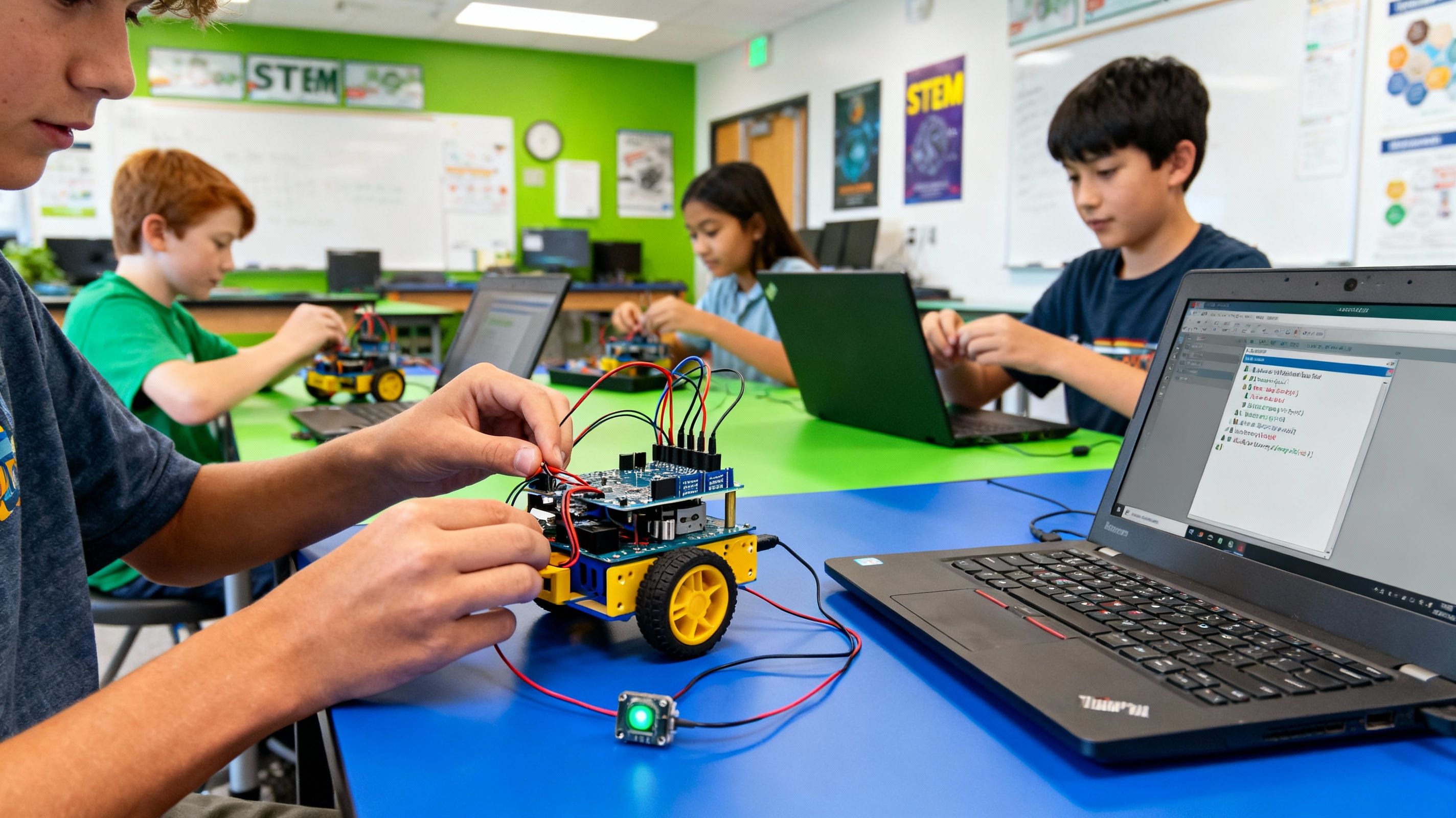
In guided stuff like coding or robotics, kids actually:
- Break problems into bite-sized steps
- Experiment, mess up and try again
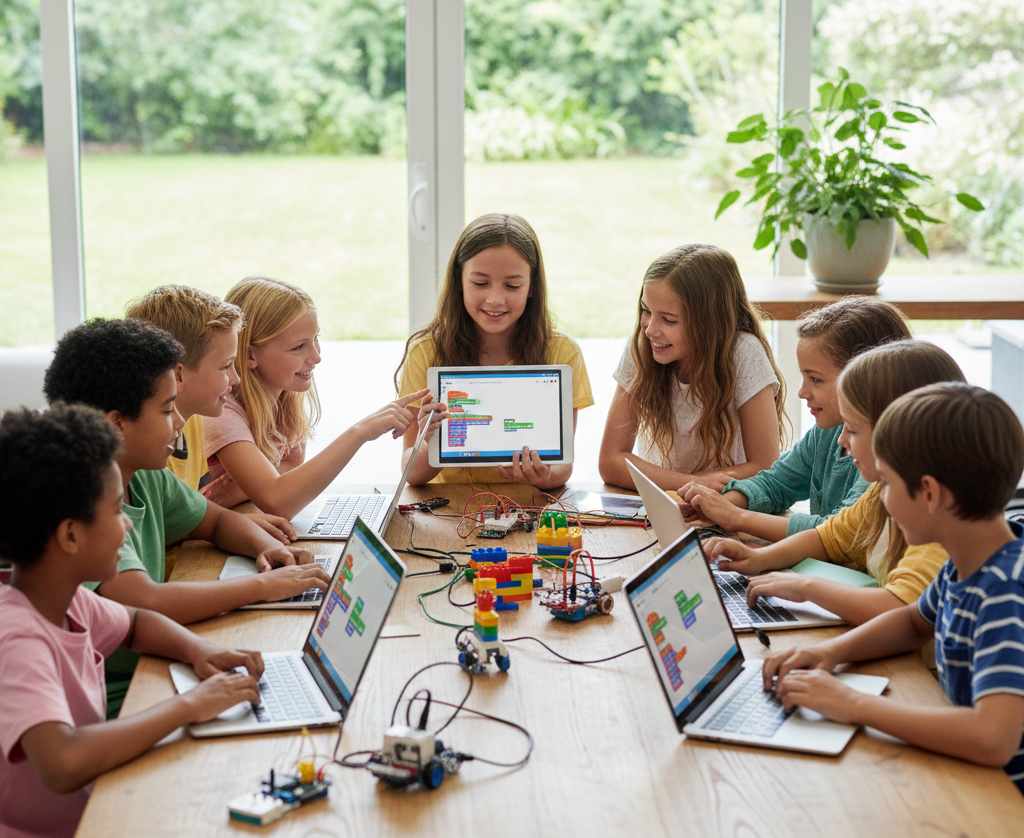
- Team up and chat through ideas
- Mix logic with wild creativity
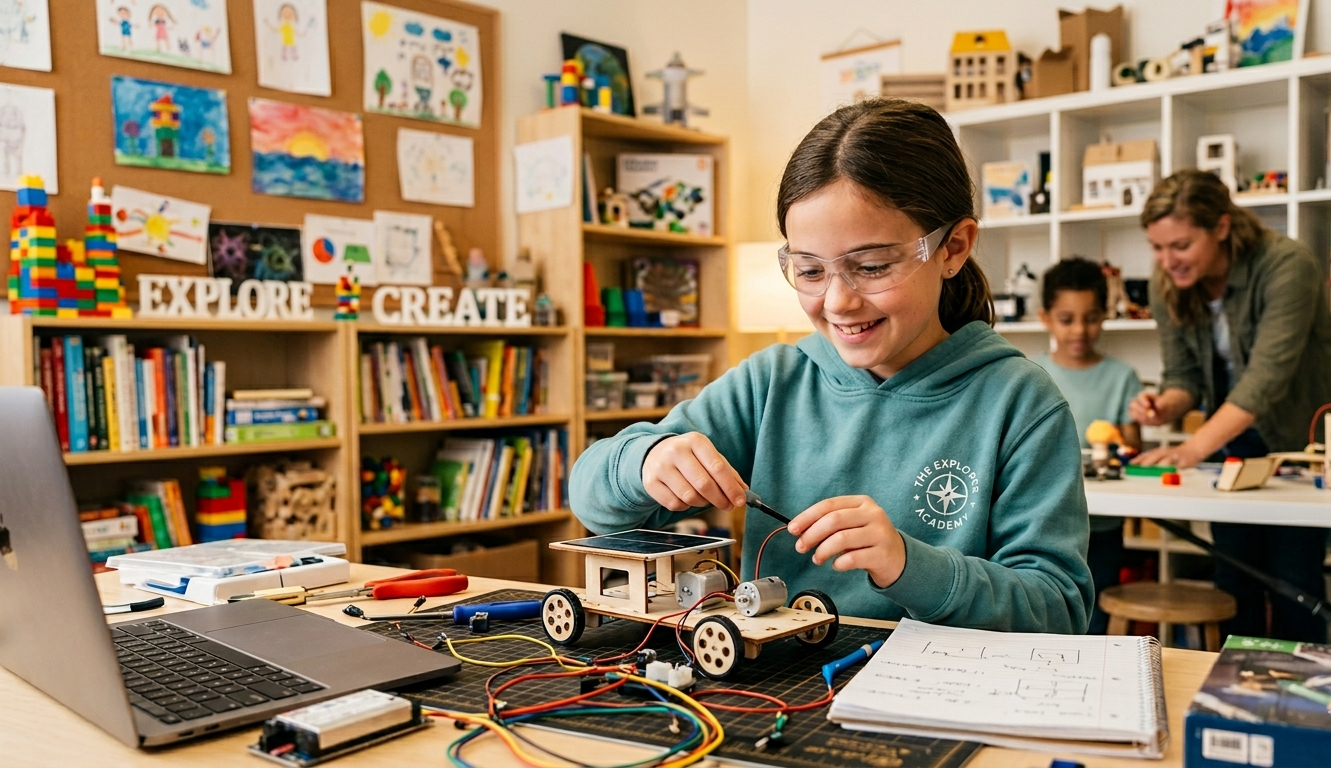
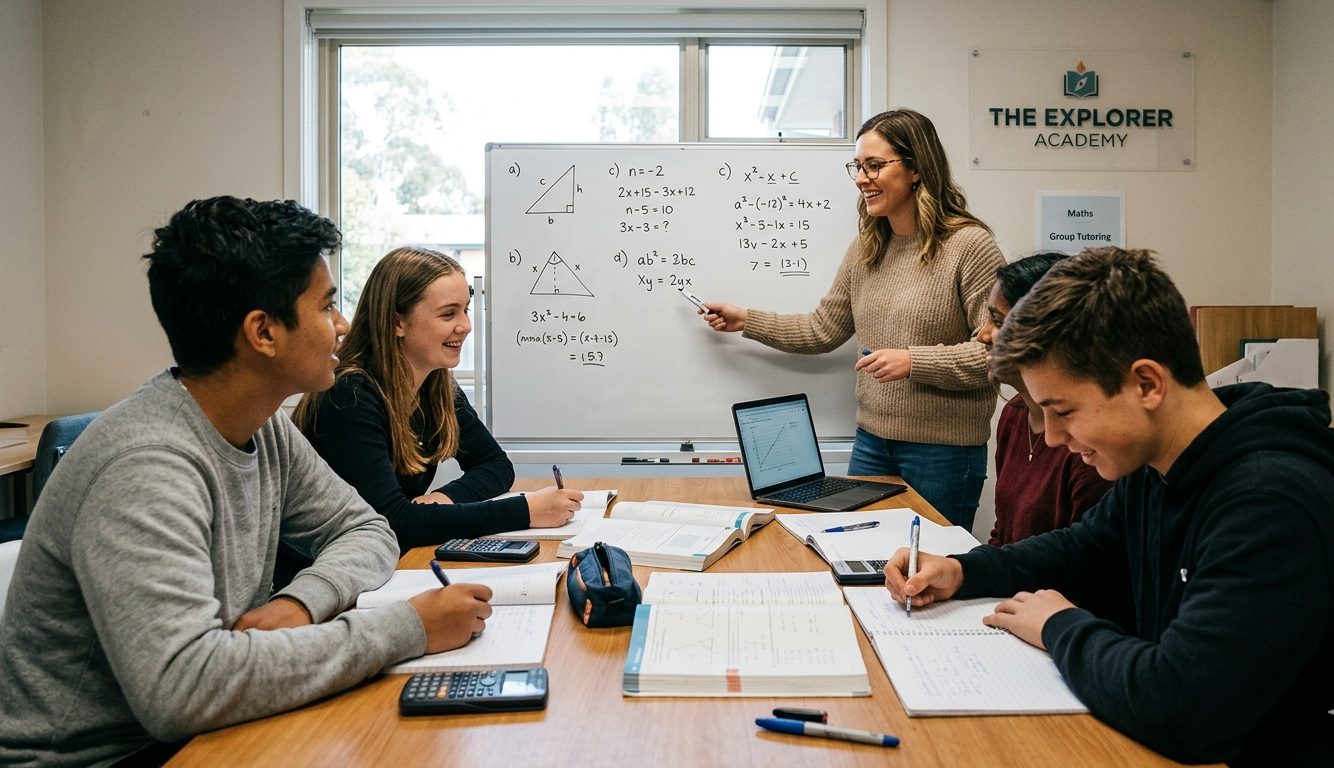
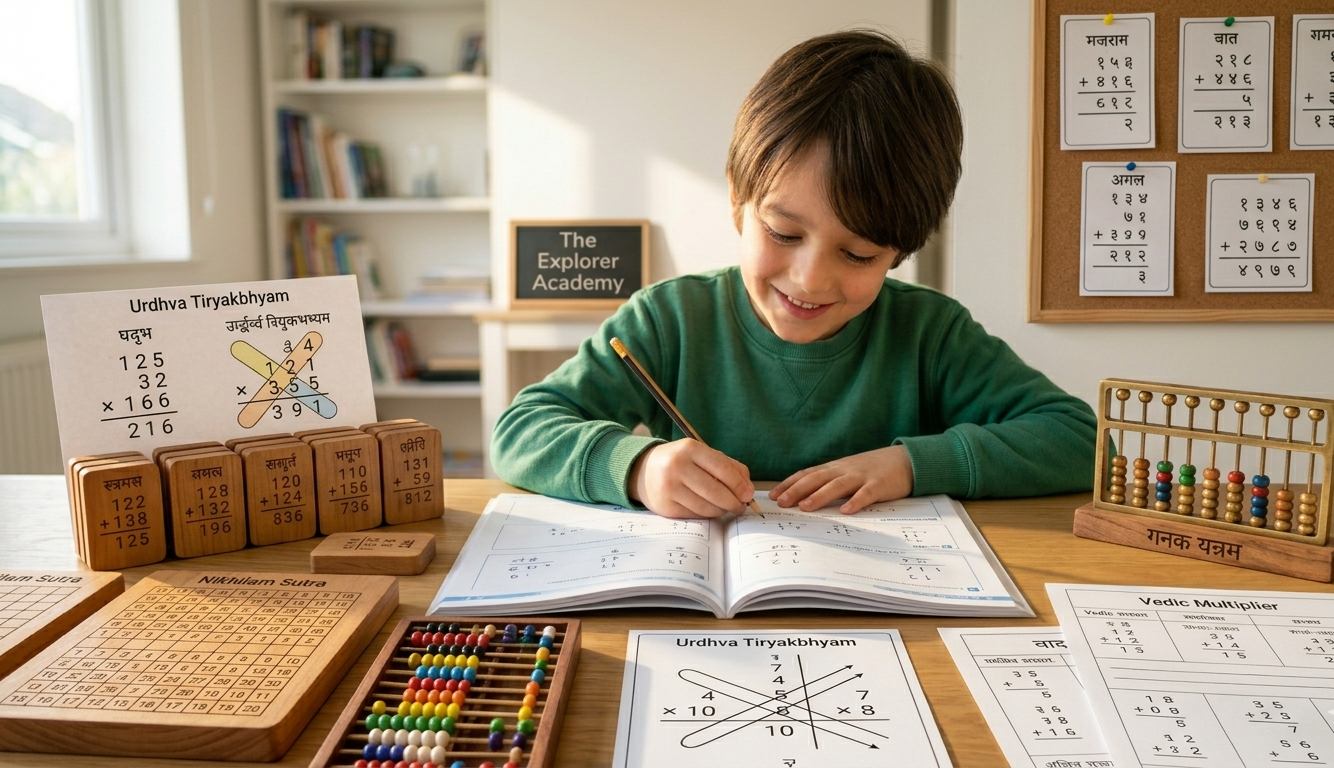
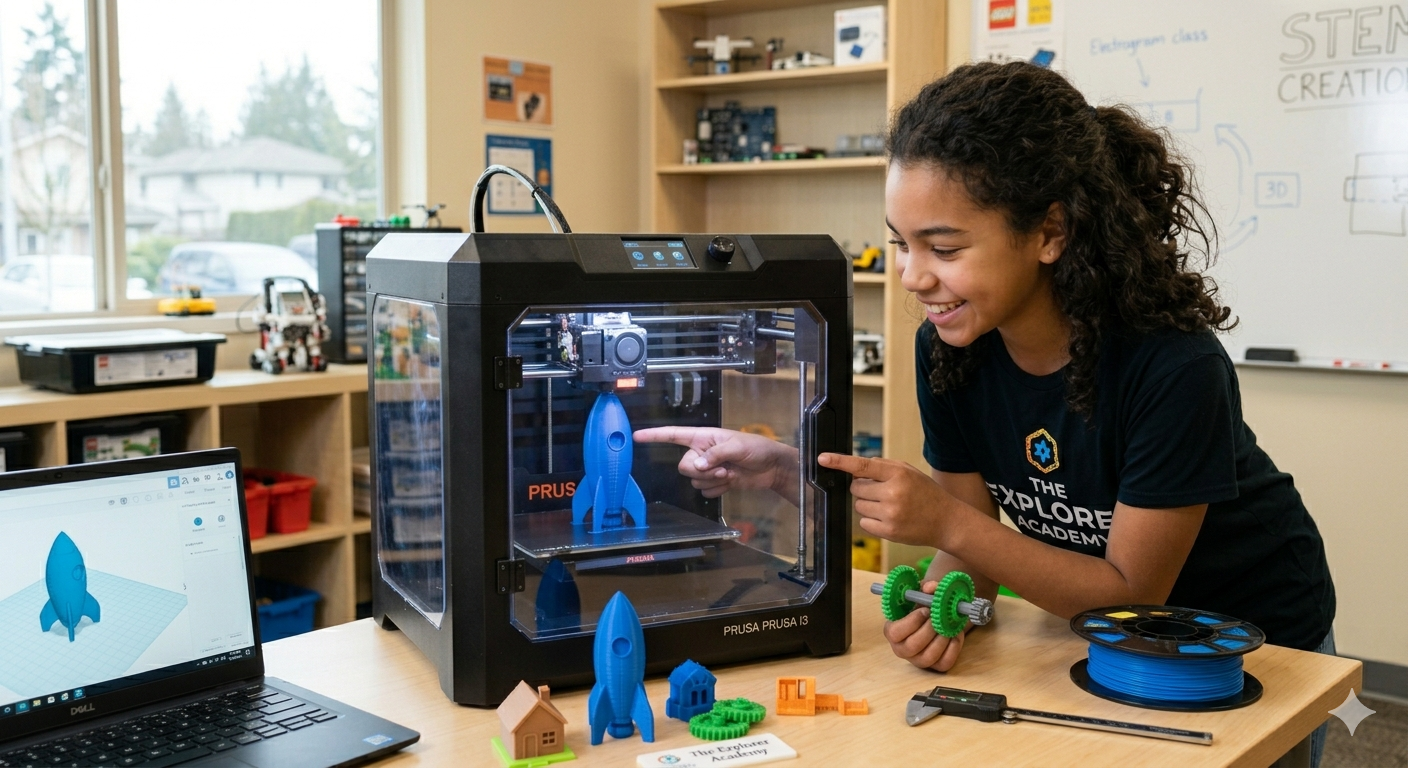
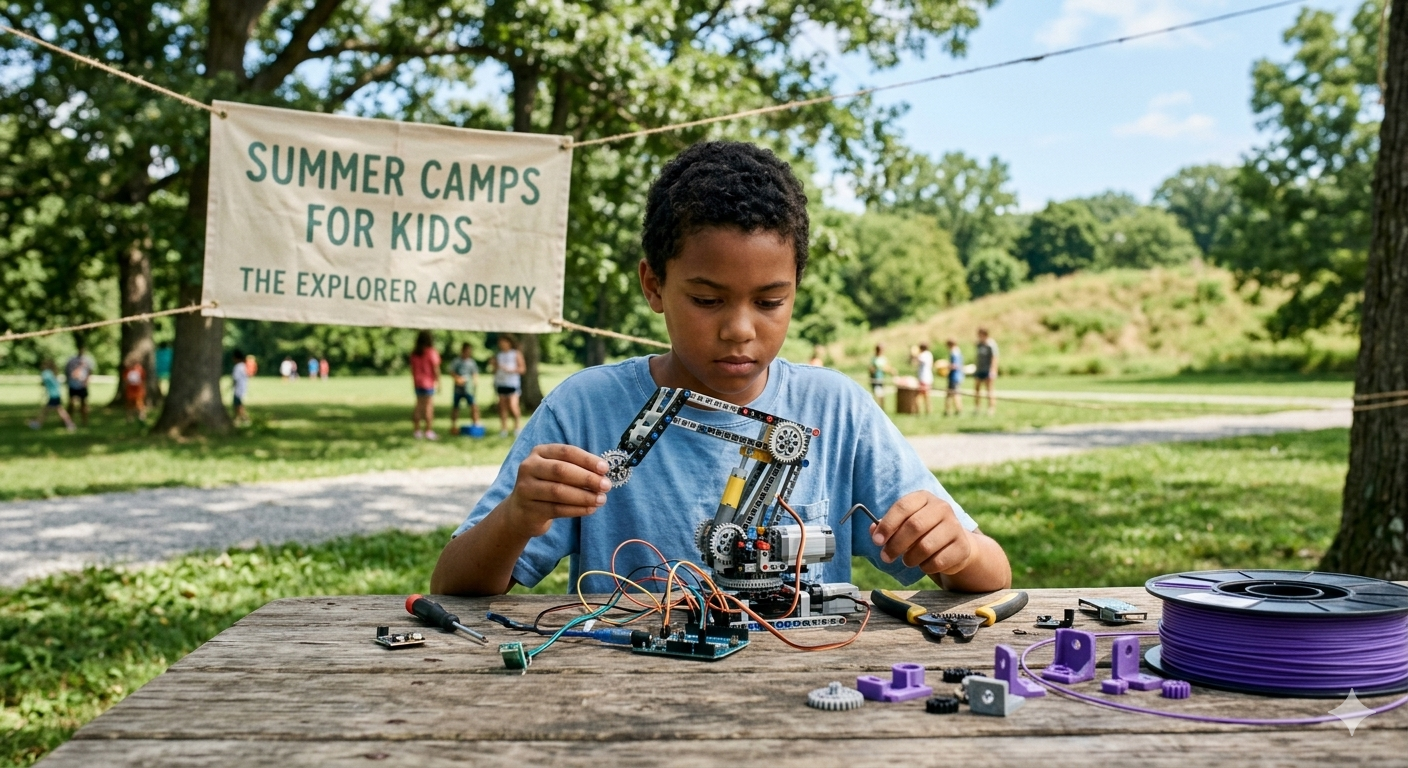
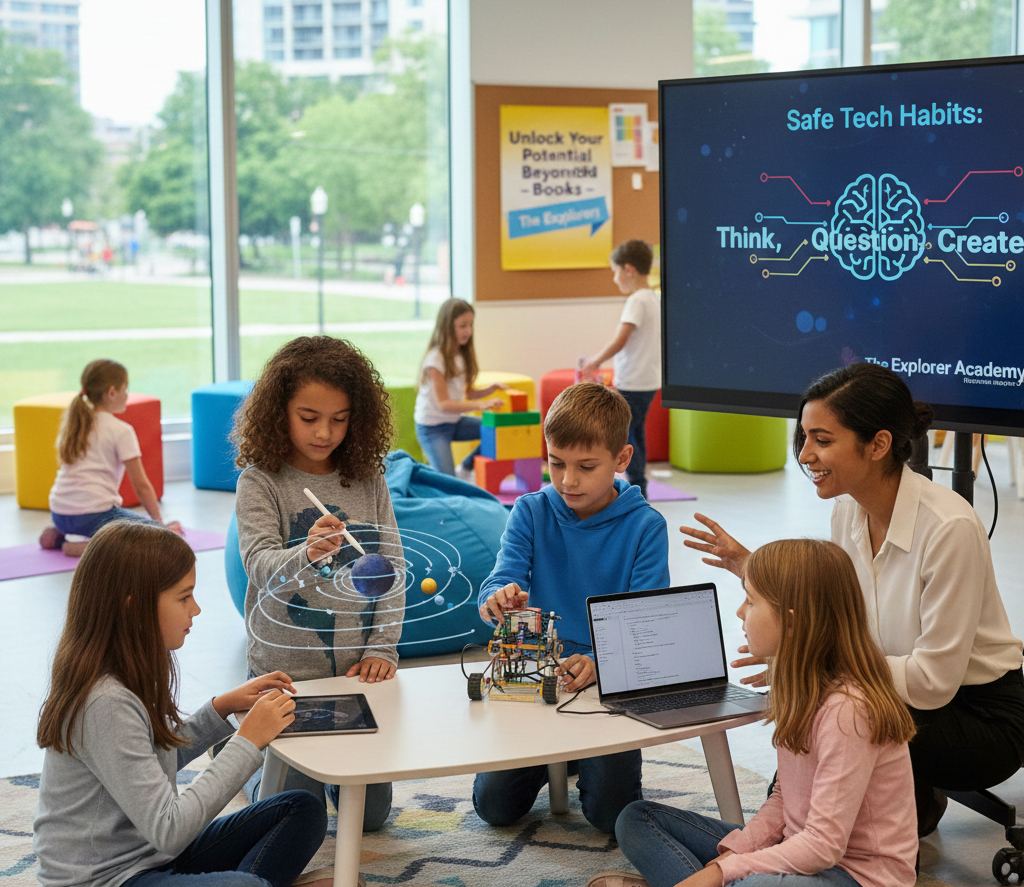
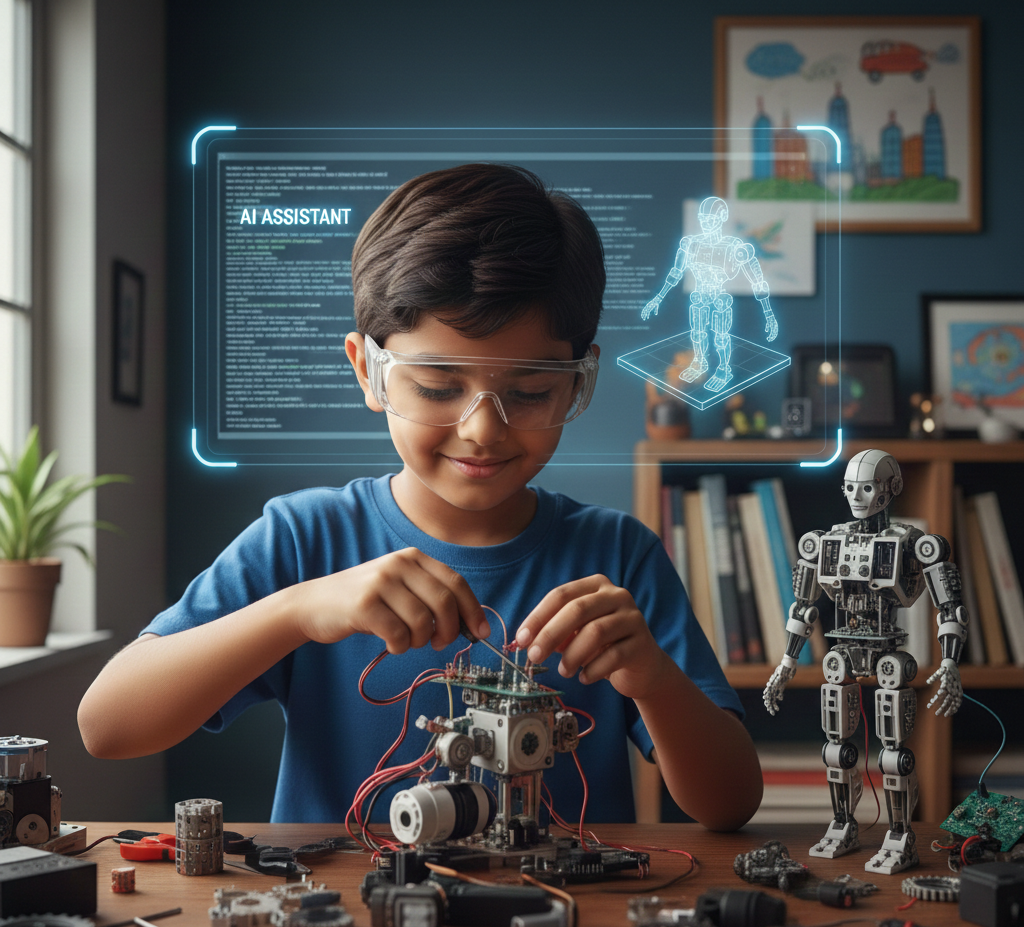
At Explorer Academy, kids who used to just binge videos now build their own projects, fix bugs and proudly explain how they did it. They walk away with real grit and that "I got this" glow passive scrolling can't touch.
How can parents help kids use technology for learning?
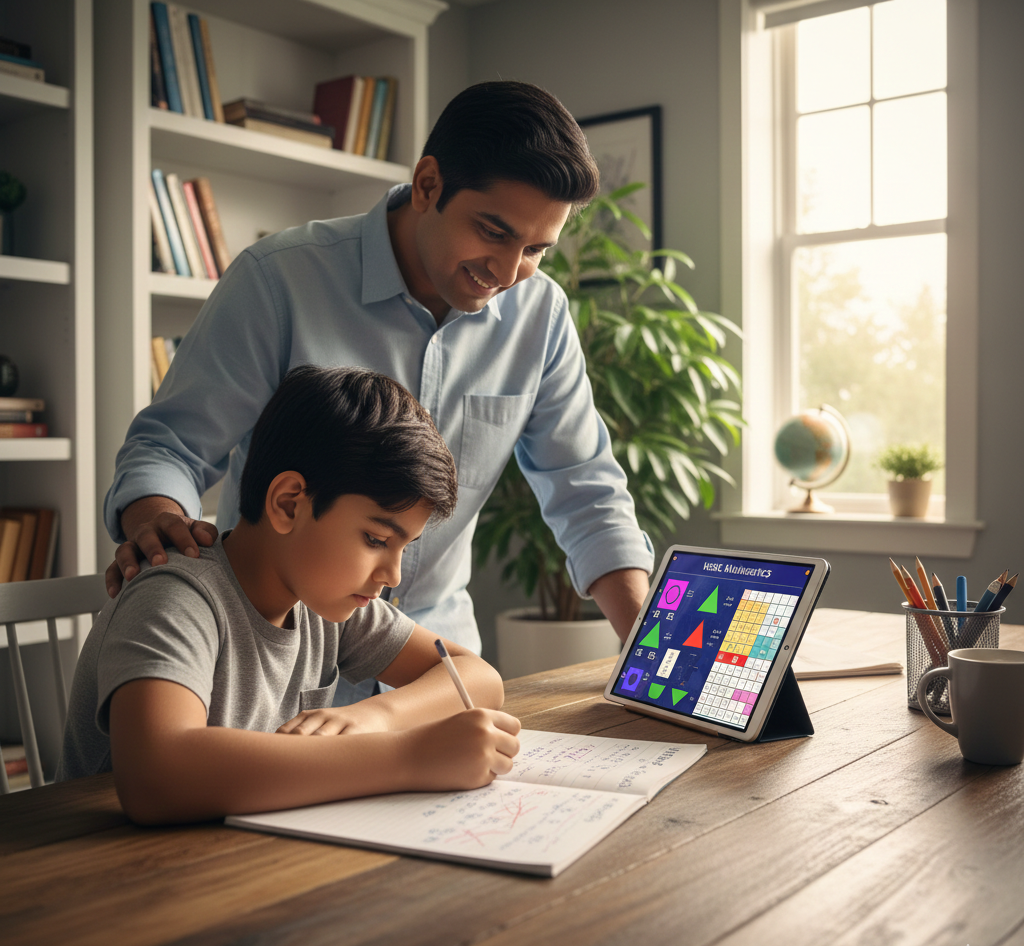
Don't ditch devices altogether. Teach them to use tech on purpose. Try:
Purpose: "Hey, what are you making or learning right now?"
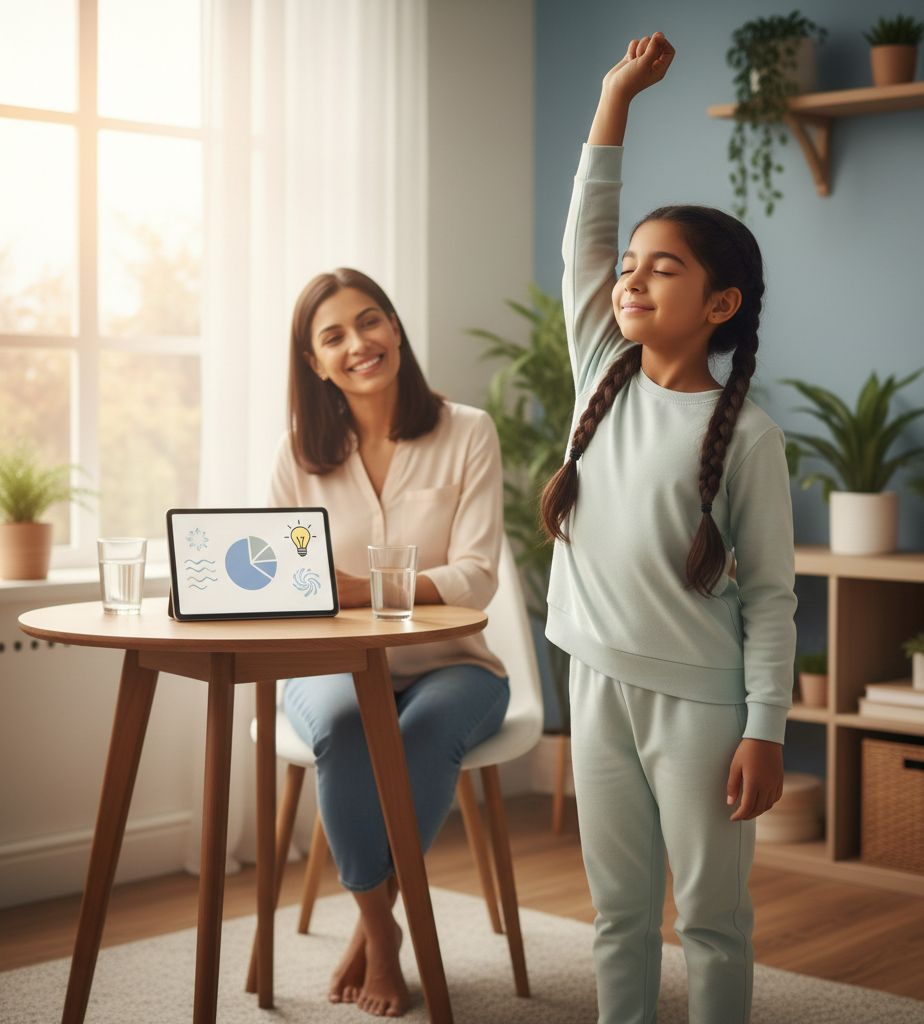
Balance: Pair screen time with outdoor romps, crafts or playdates
Reflection: Chat about "What worked? What bombed? What'd you pick up?"
Responsibility: Show them how to stay safe, kind and mindful online
Kids wired this way build lifelong skills like focus and stick-to-it-iveness that go way beyond screens.
Can technology help kids become better problem solvers?
Absolutely, if it's guided. Research backs it: STEM programs boost creativity and sharp thinking way more than solo screen time.
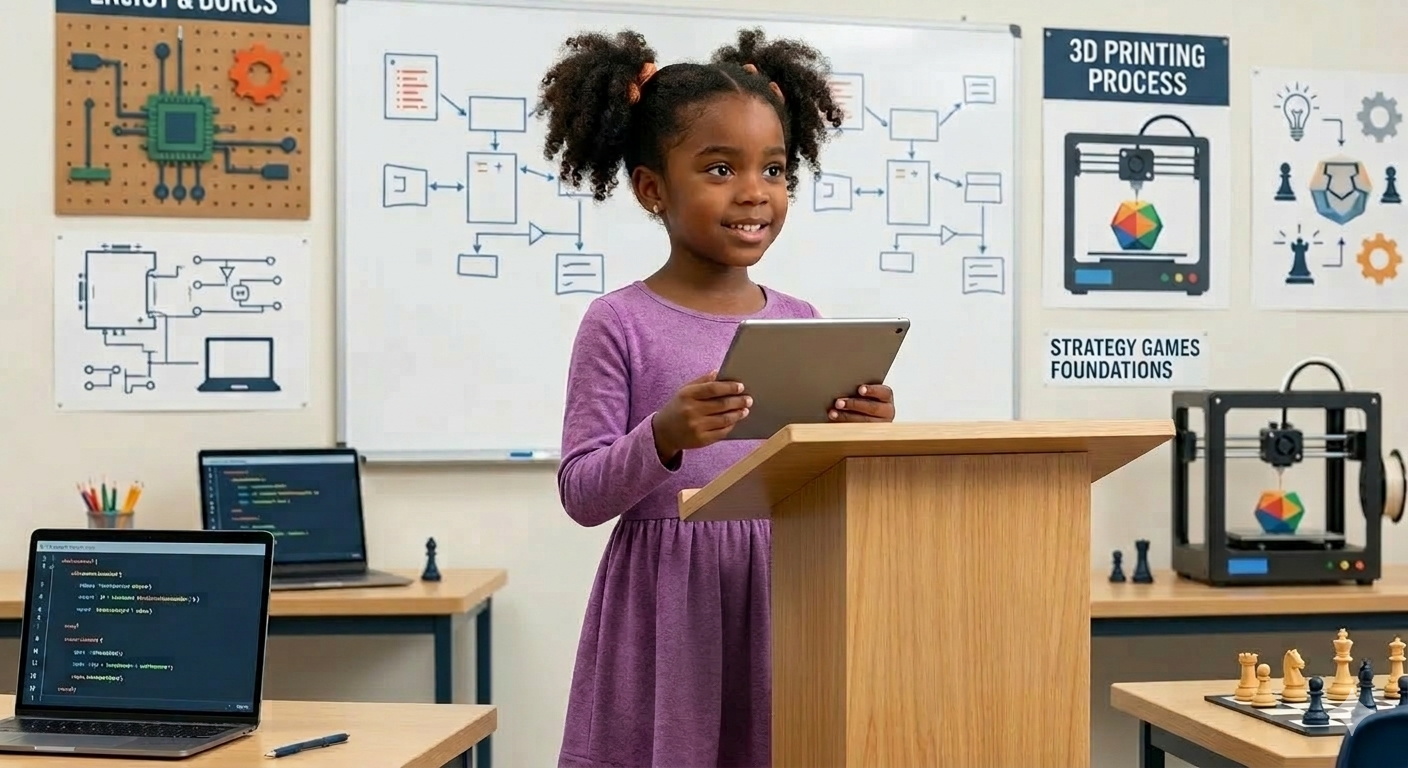
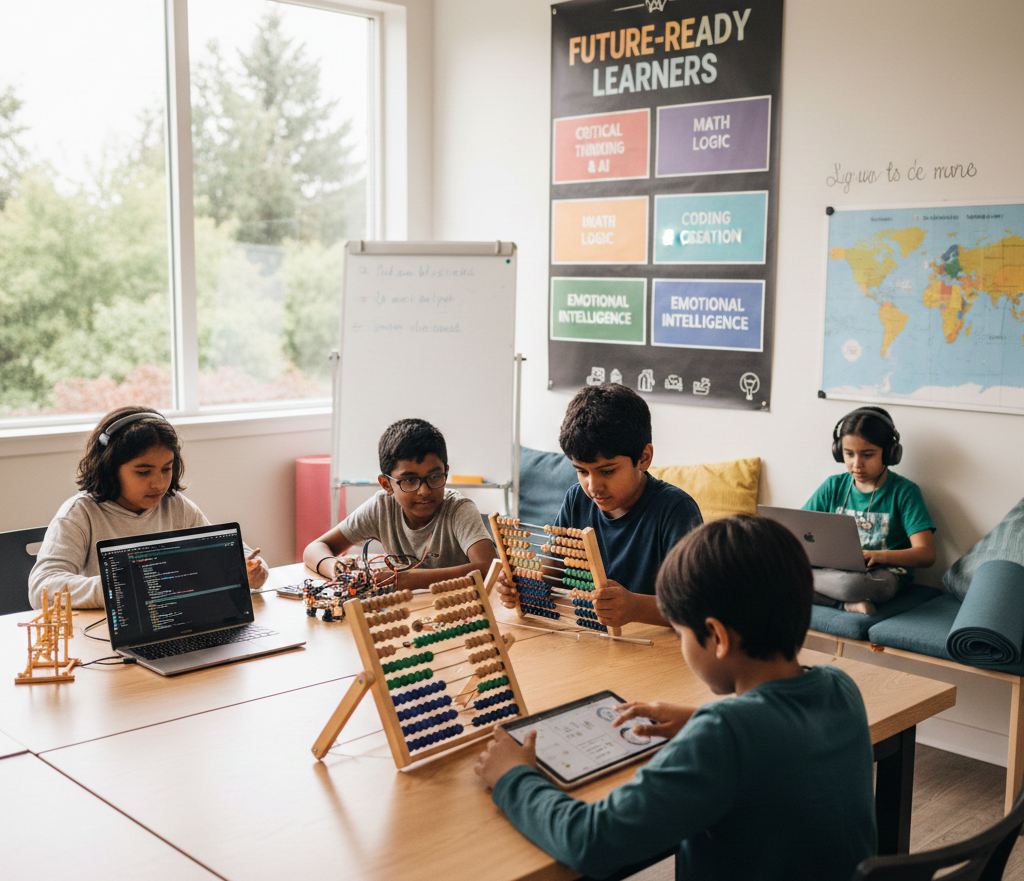
At Explorer Academy, our coding and robotics classes aren't just about apps - they are about how to think. Kids learn to chop big challenges into small wins, test fixes and see "failures" as progress. It builds that inner strength to tackle real-life stuff too.
Is too much screen time really bad for kids?
Parents obsess over screen hours but the data says untrained use is the culprit. Passive time kills focus and imagination; guided time grows them. Guided kids:
- Stay locked in longer
- Think deeper and create more
- Gear up for future jobs
- Balance tech with friends and feelings
Bottom line: Tech isn't bad—mindless use is.
How can parents turn screen time into learning?
Turn it around with structure and heart:
- Signing up for coding, robotics or STEM fun
- Push projects over passive watching
- Set clear goals per session
- Cheer their creative wins and tough tries
At Explorer Academy, we make tech ignite curiosity and self-reliance. It partners with play, friends and hands-on joy - not replacing it.
What's the real risk of kids using technology?
Tech's just a tool. Without help, it's a black hole for a kid's attention. With it, it's rocket fuel for creativity, confidence and smarts.
Forget slashing screen time. Aim for smart, intentional use that equips them for life. At Explorer Academy, we help every kid master tech, not just survive it.
About The Explorer Academy
Educator and contributor at The Explorer Academy, dedicated to engaging and enrichment-focused learning for kids.