How Abacus Classes Build Faster, More Confident Kids in Surrey and Delta
If you have been searching for abacus classes for kids near me in Surrey or Delta, you have probably noticed there's no shortage of options and no shortage of confusing marketing either. This guide breaks down what abacus training actually is, how it works, who it's for and what to expect when you enroll your child at The Explorer Academy.
Whether your child is a confident math student looking for a challenge or someone who tends to freeze up around numbers, abacus training for kids in Surrey offers a structured, visual way to build number sense that regular classroom math often doesn't have time to teach.
What Is Abacus Training and Why Does It Work?
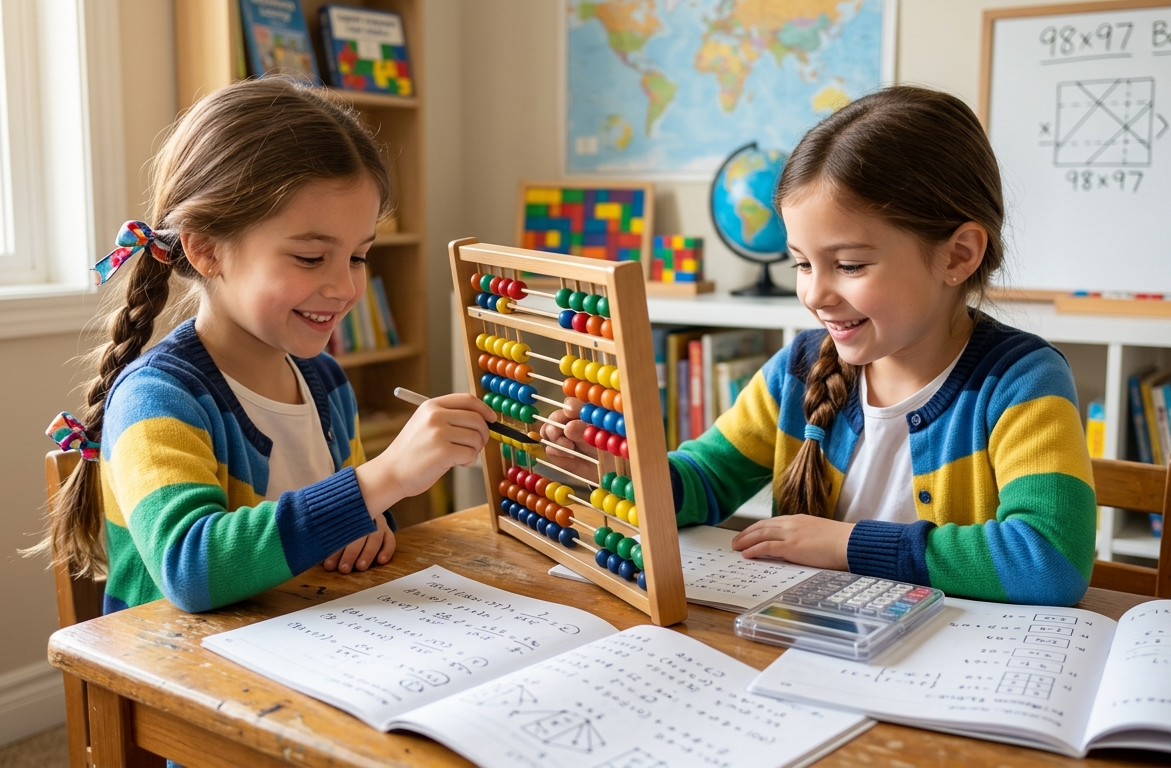
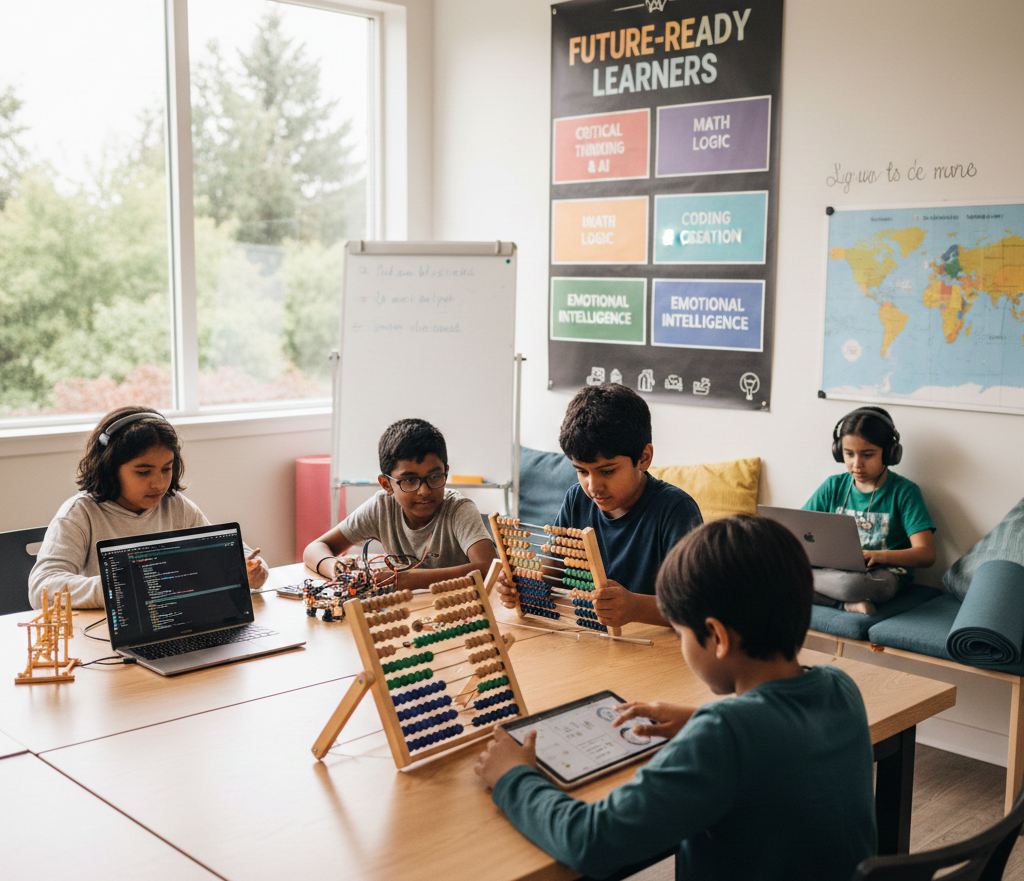
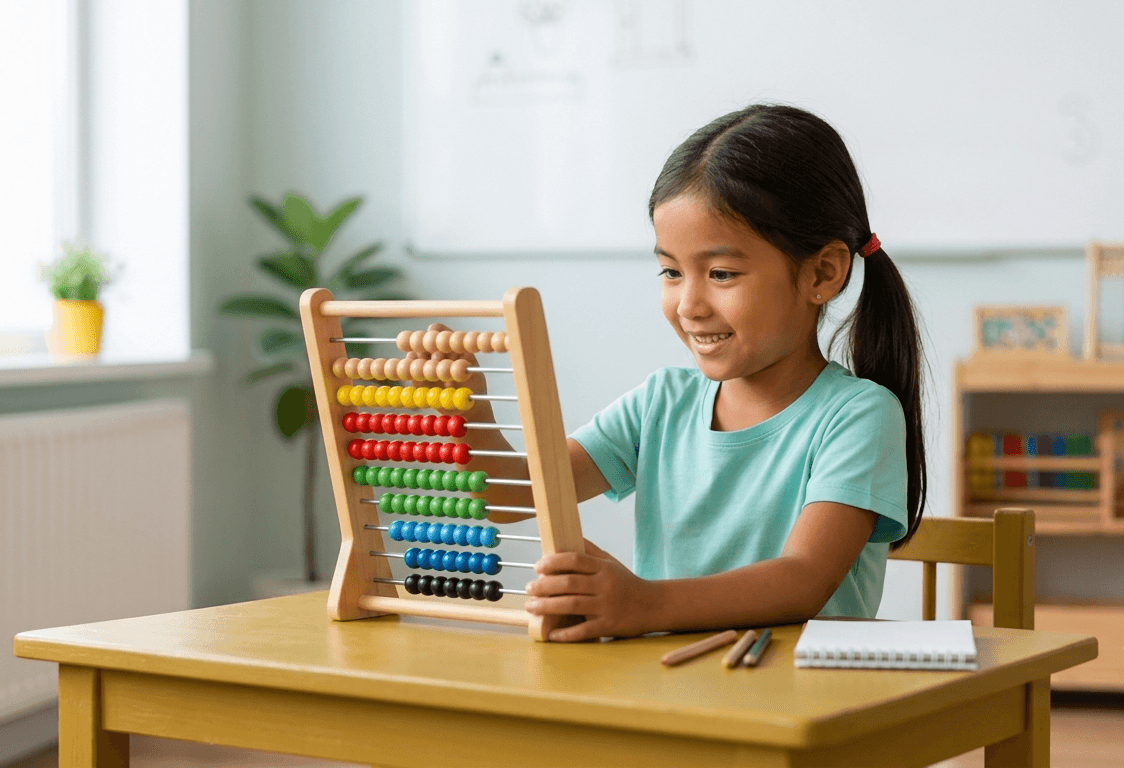
The abacus is one of the oldest calculation tools in the world but the reason it's still used in modern math education isn't nostalgia. It's because moving beads to represent numbers gives children a physical, visual model of what's actually happening during addition, subtraction and eventually multiplication and division.
Instead of memorizing steps, kids start to see numbers. Over time, that visual model becomes internal: children can picture the abacus in their mind and manipulate it mentally, which is where the real speed comes from. This is the foundation of every strong abacus class Delta and Surrey program, including ours.
The benefits go beyond calculation speed. Parents in our program consistently notice improvements in:
- Focus and attention span — each session is built around short, structured blocks that train sustained concentration
- Working memory — mentally tracking bead positions strengthens memory the same way exercise strengthens muscle
- Confidence with numbers — kids who once dreaded math start to enjoy the challenge of getting faster
- Problem-solving instincts — visualizing numbers helps with more than arithmetic; it supports logical thinking generally
How Our Abacus Program Works
Our afterschool abacus program Surrey and Delta families rely on is designed to fit into a busy week without overwhelming your child (or your schedule). Sessions run three times a week, one hour each and every class follows the same reliable rhythm so kids know what to expect:
- Warm-Up (10 minutes) — quick number drills and mental math exercises to get the brain switched on
- Lesson (20 minutes) — introduction to new abacus techniques and calculation methods
- Practice (25 minutes) — hands-on problem-solving using the physical abacus
- Wrap-Up (5 minutes) — speed challenges and math games to end on a high note
This structure matters. Abacus skills build incrementally — rushing through techniques before they're solid tends to create gaps that show up later. The repetition across three weekly sessions is what makes the mental math "stick," rather than being forgotten between classes.
What Age Should My Child Start Abacus Classes?
This is one of the most common questions we hear from parents looking into abacus classes for kids Delta families are considering. The general answer: once your child is comfortable recognizing numbers, they are ready to begin — typically around age 5.
Our Beginner Level is built specifically for this stage:
- Age group: 5–7 years
- Levels: Junior 1, Junior 2, Junior 3, Elementary A, Elementary B
- Duration: 3 months per level
- Focus: basic addition and subtraction on the abacus, understanding number placement and patterns, an introduction to times tables, and building the visualization skills needed to eventually go "mental"
From there, children progress into Intermediate and Advanced levels, where calculations get faster and more complex and the shift from physical abacus to pure mental math becomes the main focus.
If your child is older and just starting out, that's completely fine too — the levels are based on skill progression, not strictly age and our instructors adjust pacing to match your child's starting point.
Real Abacus vs. Mental Math: What Actually Happens in Class
A question we get a lot: "Will my child use an actual abacus, or is this all done in their head?"
Both and that's intentional. Children begin with a physical abacus, physically moving beads to solve problems. This hands-on stage is essential; it's what builds the mental image kids eventually rely on. As their skills develop, they gradually start solving problems by picturing the abacus in their mind instead of touching one; this is the "mental math" stage that abacus training is famous for.
You won't see your child skip straight to mental calculation. It's a gradual transition, and rushing it tends to undermine the accuracy that makes abacus training valuable in the first place.
Is Abacus Training Different from Math Tutoring?
Yes and it's worth understanding the distinction before choosing between them. Regular math tutoring is typically reactive: it supports whatever your child is currently learning in school, filling gaps or reinforcing homework concepts.
Abacus training for kids in Surrey works differently. It's not tied to a school curriculum — it's a standalone cognitive skill-building program focused on mental arithmetic, visualization, focus and memory. Many of our families use both: abacus to build foundational number sense and concentration and tutoring to support specific subjects or exam prep.
If your child is currently struggling with math homework specifically, tutoring might be the more immediate fix. If you are looking to build long-term confidence and mental agility especially before those struggles start, abacus is often the better starting point.
How Long Before You See Results?
Most parents in our abacus classes Surrey program start noticing changes within the first few months — not necessarily in test scores yet, but in smaller, everyday signs:
- Faster, more confident recall of basic facts
- Longer attention span during homework
- Less anxiety when faced with a math problem
- Genuine enjoyment of numbers, rather than avoidance
The calculation speed and accuracy that abacus is known for tends to show up more clearly after 6–12 months of consistent attendance, once a child has moved through several levels and started transitioning into mental math.
Why Families in Surrey & Delta Choose The Explorer Academy
There's no shortage of abacus classes for kids near me. Results when you search national franchises, online-only programs and local academies all show up. Here's what sets The Explorer Academy program apart for families in the area:
- Local, in-person instruction based in Delta, with an afterschool schedule built around Surrey and Delta school hours
- Small, structured sessions with a consistent four-part format so kids build routine and momentum
- A clear level system that gives parents visibility into progress, not just vague "improvement"
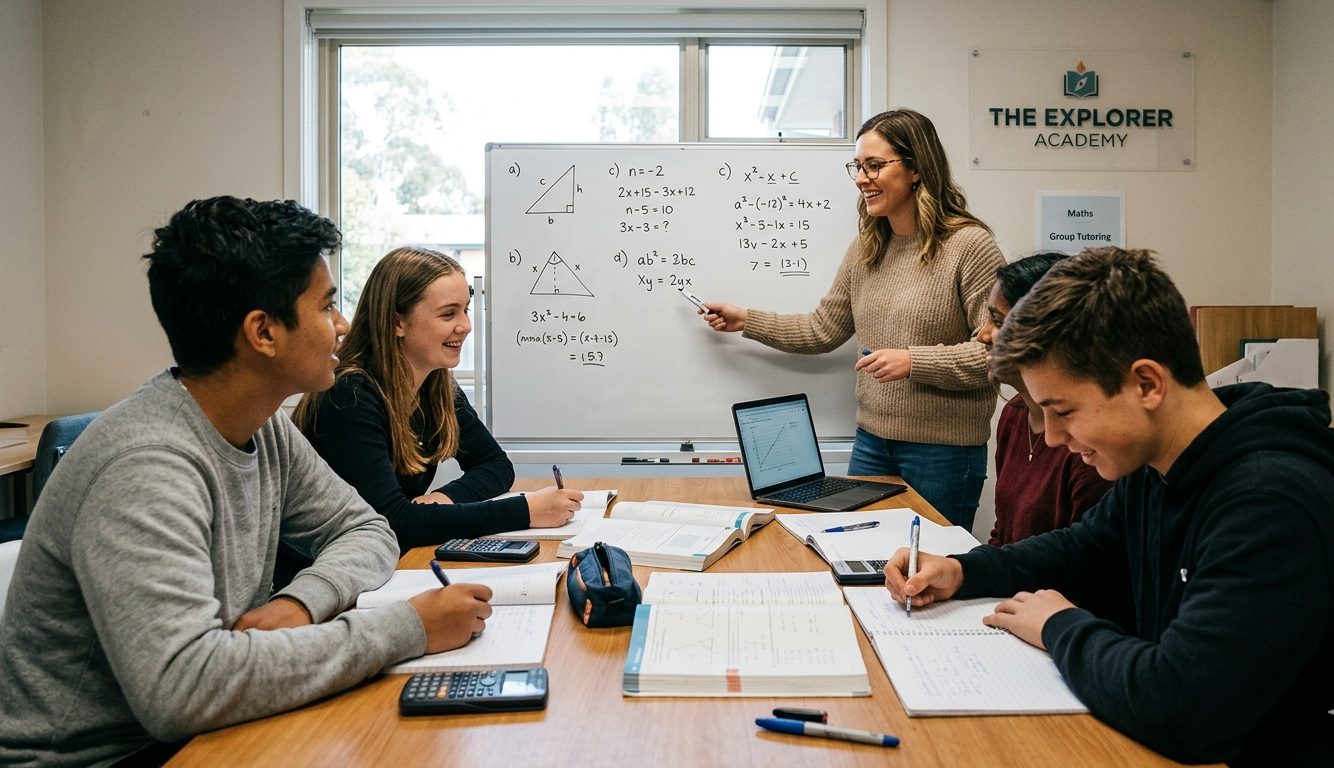
- Instructors who work with your child's pace, especially for kids who find math intimidating at first
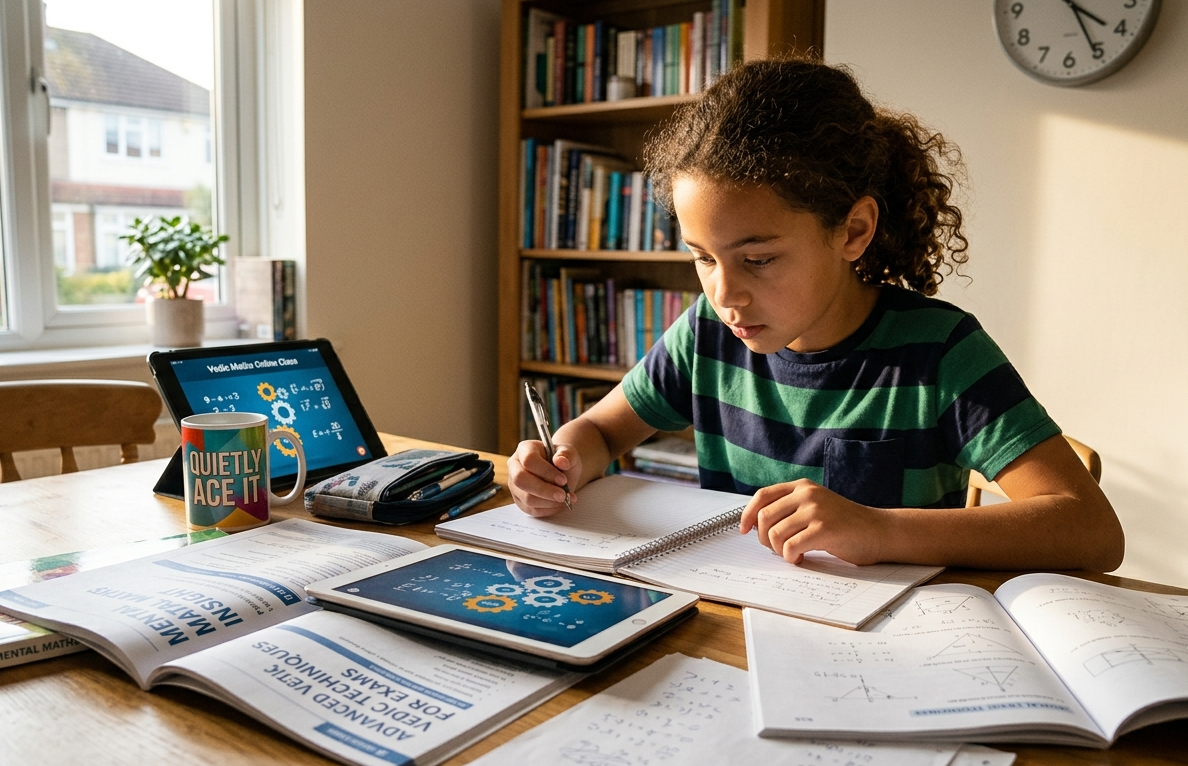
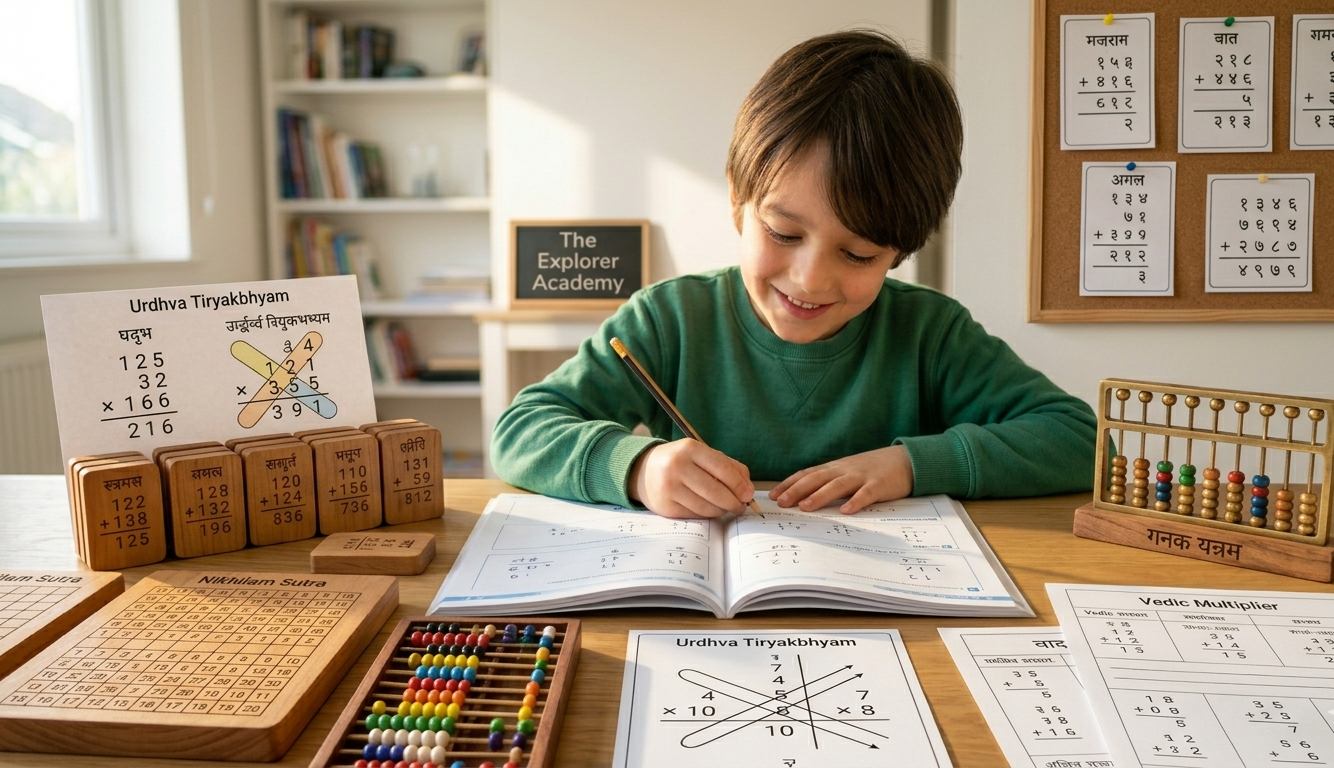
- A program that complements what we teach elsewhere at the Academy, including Vedic Math and academic tutoring, so families can build a learning path that fits their child
Conclusion
Choosing an afterschool abacus program in Delta or Surrey is really a decision about how you want your child to relate to numbers not just this year but for the rest of their schooling. A strong foundation in mental math pays off well beyond the classroom, in confidence, focus and problem-solving that carries into every subject.
If you are ready to see how it works firsthand, we would encourage you to view our class schedule or reach out with any questions — our team is happy to help you figure out the right starting level for your child.
Ready to enroll or have questions about which level fits your child? Explore our Abacus Program or get in touch with our team in Surrey and Delta today.
About The Explorer Academy
Educator and contributor at The Explorer Academy, dedicated to engaging and enrichment-focused learning for kids.