Math Group Tutoring Program in Delta: How to Choose One for Your Child's Learning Style

Finding the right math group tutoring program in Delta can feel overwhelming when every learning center promises the same thing: better grades, more confidence, and exam success. But not every program is built the same way, and not every child learns math the same way either. Some students need step-by-step structure, others need pattern-based thinking, and some simply need a calmer, less rushed environment to ask questions without fear of judgment.
At The Explorer Academy, our Mathematics Group Tutoring program in Delta is designed around exactly this idea: helping students build strong conceptual foundations while developing the analytical reasoning skills they'll use across every subject, not just math class.
If you are a parent in Delta or Surrey trying to figure out which small group math tutoring near you actually fits your child's personality and pace, this guide breaks down what to look for, what questions to ask and how our program is structured to meet different learning styles.
Why Group Math Tutoring Works Better Than You Think
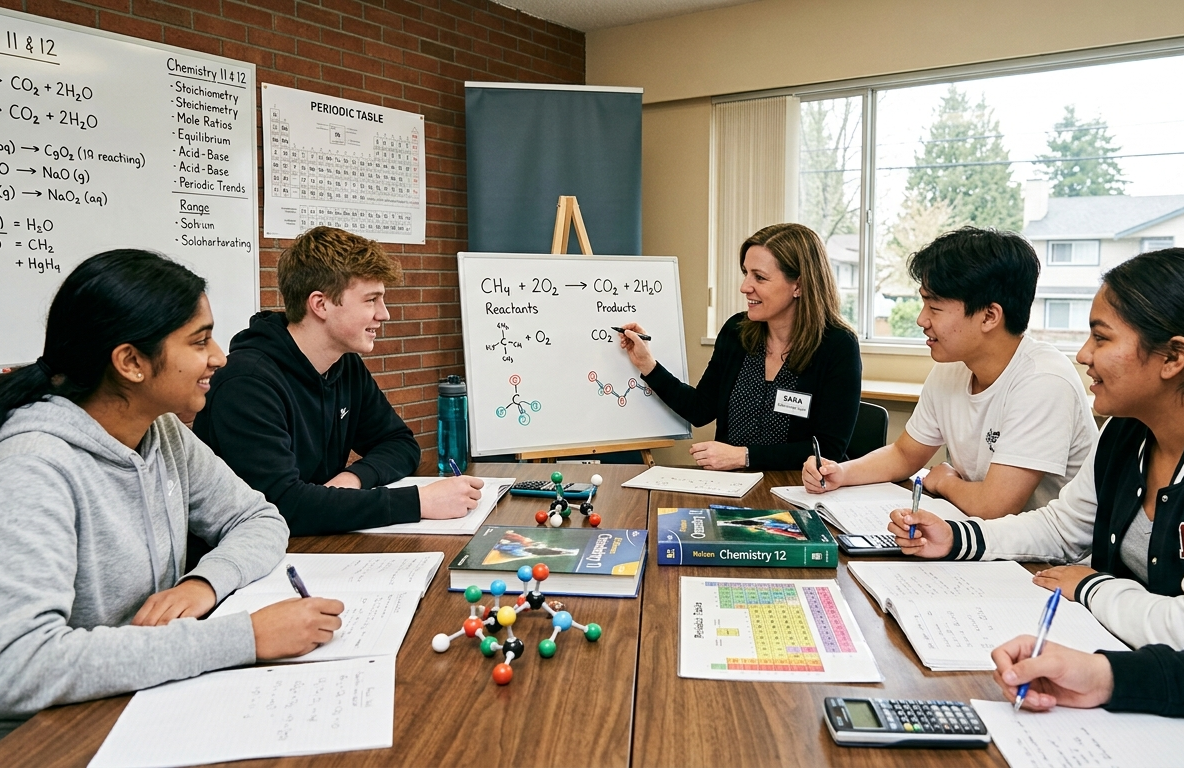
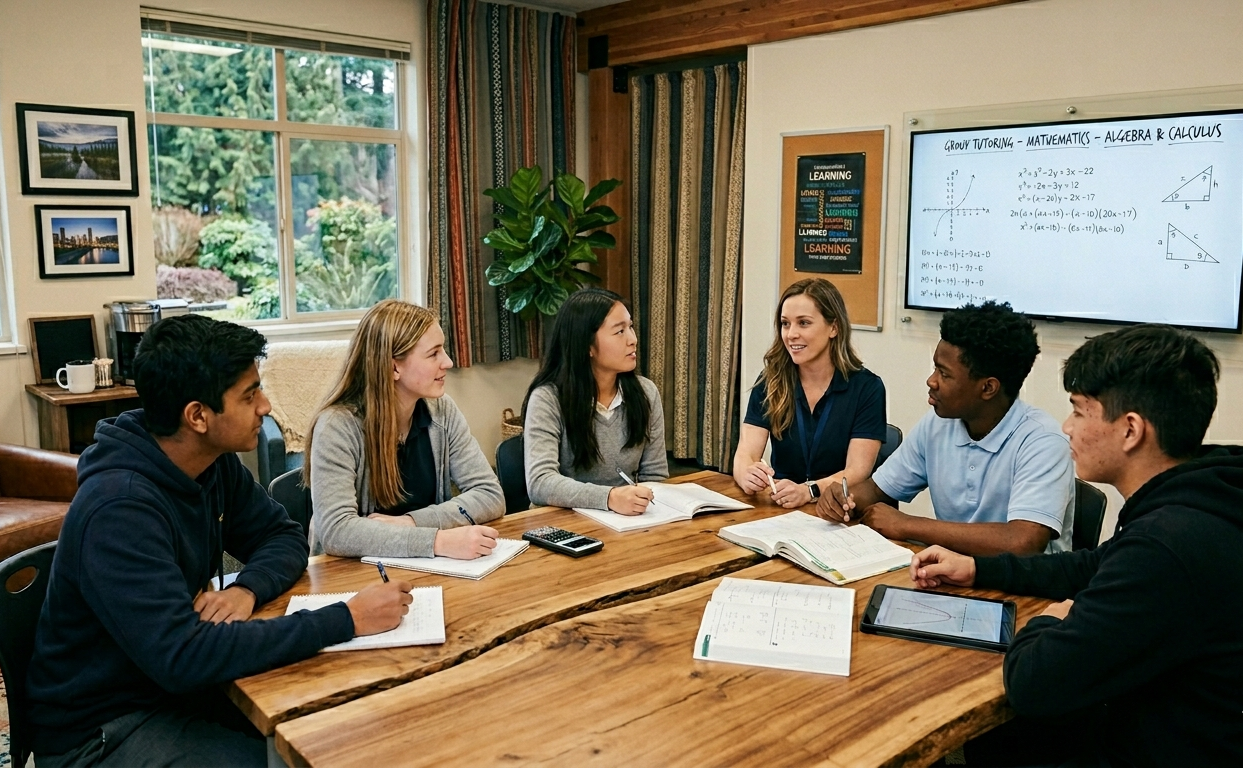
Many parents assume one-on-one tutoring is automatically better but that's not always true. Group-based math tutoring for kids offers something private sessions often can't: peer learning. When students work through problems alongside classmates, they hear different approaches to the same question, learn to articulate their reasoning out loud and build healthy competition that motivates them to improve.
A well-run math tutoring program in Delta also reduces math anxiety in ways solo tutoring sometimes can't. Students realize they're not the only ones struggling with a concept, which normalizes the learning curve and makes asking questions feel less intimidating.
Small Group Math Classes vs. Large Tutoring Centers
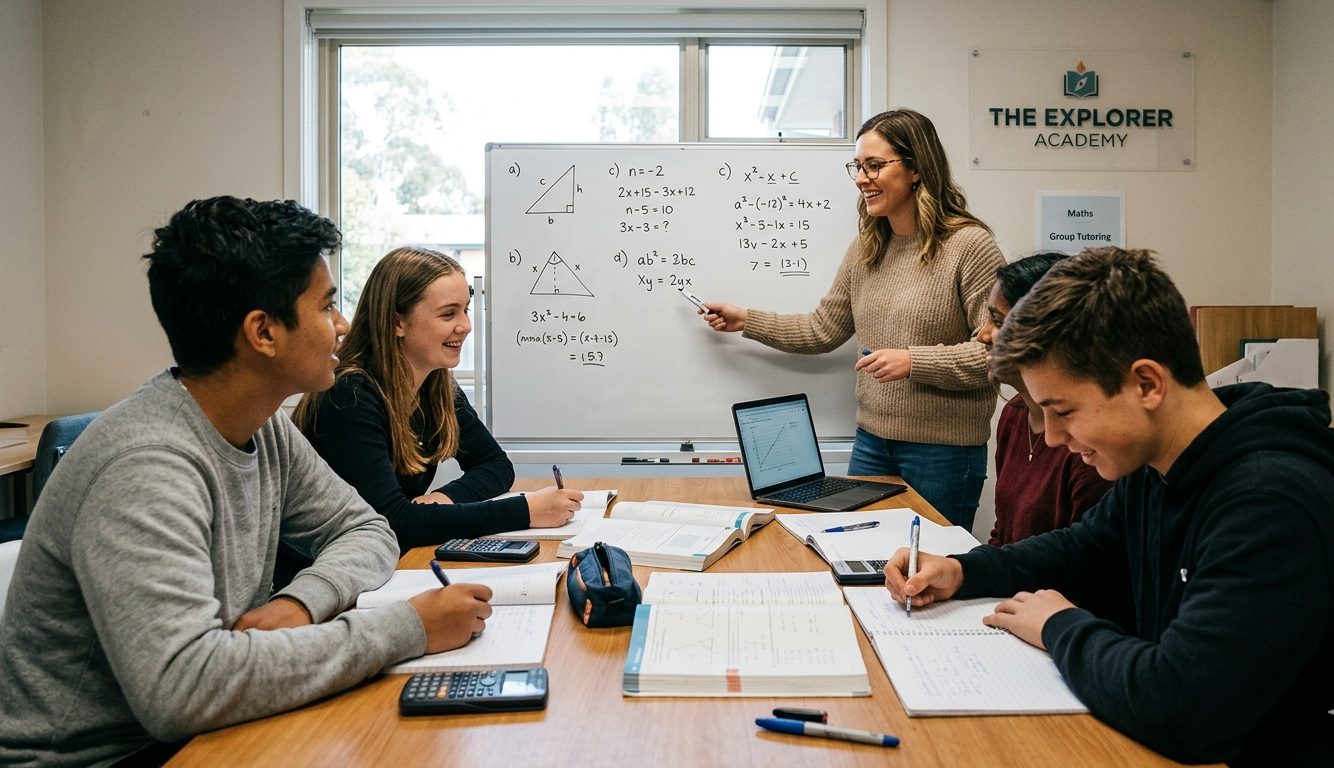
The key difference between effective small group tutoring and crowded learning centers comes down to attention ratio. In larger centers, a tutor might be managing 15-20 students across different grades and topics simultaneously. In a true small group format, like the one we run at The Explorer Academy, the teacher can actually watch how each student approaches a problem, correct mistakes in real time, and adjust explanations based on how a child is processing the material.
This matters because math, more than most subjects, builds on itself. A small misunderstanding in fractions can snowball into struggles with algebra two years later if it's never caught and corrected.
Understanding Your Child's Learning Style Before Choosing a Program
Before enrolling in any math group tutoring program in Delta, it helps to understand how your child naturally processes information. Most students fall somewhere across these patterns:
Visual learners tend to grasp concepts faster when they can see diagrams, graphs, number lines, or coordinate geometry mapped out. Logical-sequential learners prefer breaking problems into structured steps and following a clear method every time. Discussion-based learners absorb material best when they can talk through their reasoning with peers and a tutor in real time. Practice-driven learners need repetition and guided homework to retain concepts long-term.
A strong program doesn't force every student into the same teaching style. It blends multiple approaches within a session so that whichever way your child learns best, there's a moment in the lesson built for them.
How to Identify Your Child's Math Learning Style at Home
A simple way parents can spot patterns is by watching how their child approaches homework. Does your child draw diagrams before solving a problem? That's a visual learner. Do they want to talk through the steps out loud before writing anything down? That points to a discussion-based or verbal learner. Do they get frustrated with abstract explanations but do well when given a repeatable formula or method? That's often a logical-sequential learner who benefits from structured, step-by-step coaching.
Sharing these observations with a prospective tutoring center during enrollment helps them place your child in a group where the teaching pace and style actually fit.
What to Look for in a Math Tutoring Program for Kids in Delta
When evaluating tutoring options, here are the factors that matter most.
1. Curriculum Alignment With School and Board Exams
A good math tutoring program for kids should align closely with the BC school curriculum while also preparing students for board exams and standardized assessments. Our program focuses on algebra and trigonometry, calculus (differentiation and integration), coordinate geometry and applied problem solving, all framed around exam-focused question strategies so students aren't just learning math in isolation but learning how it's actually tested.
2. Conceptual Understanding Over Rote Memorization
One of the biggest red flags in tutoring is a program that teaches students to memorize formulas without understanding why those formulas work. Our Mathematics Group Tutoring program is built to shift the focus from rote memorization toward deep conceptual understanding, encouraging pattern recognition and analytical thinking that benefits students well beyond math class.
3. Group Size and Teacher Attention
Ask directly: how many students are in each session? Smaller groups mean the tutor can give individualized corrections even within a group setting. Our sessions are intentionally kept small so that every student gets noticed, not just the loudest or fastest ones.
4. Session Structure and Consistency
Look for a program with a predictable rhythm. Our sessions run 90 minutes, once a week, combining concept explanation, guided practice and live doubt-solving, followed by weekly homework with feedback. This consistency helps students build momentum instead of starting from scratch every session.
5. Focus on Logical Reasoning and Problem-Solving Strategy
Math isn't just numbers, it's a thinking skill. Programs that teach students to break problems into structured steps, recognize patterns, and apply strategy-based question solving under timed conditions build skills that transfer to other subjects and to standardized testing in general.
Signs Your Child Would Benefit From a Math Group Tutoring Program in Delta
Not sure if it's time to enroll? Consider these signs: your child rushes through homework without checking work, avoids math homework or complains it's "boring" or "too hard," gets good grades on practice but freezes during tests, struggles to explain how they got an answer even when it's correct, or seems to understand a concept in class but can't apply it independently at home.
Any of these patterns suggest your child could benefit from structured, small-group reinforcement that targets both the academic gap and the confidence gap simultaneously.
How The Explorer Academy's Program Is Structured for Different Learners
Our curated program is built around a clear framework. The objective is to strengthen core math concepts and fundamentals, improve accuracy and problem-solving speed, prepare students effectively for school tests and competitive exams and build confidence through guided practice.
Within each session, students engage in concept explanation that suits visual and sequential learners, guided practice that supports practice-driven learners and live doubt-solving that benefits discussion-based learners who think out loud. Weekly homework with feedback ensures nothing falls through the cracks, regardless of how a student processes information.
The result is a program where growth happens beyond the classroom: students build clarity and confidence through structured, concept-first learning, small groups ensure improved teacher attention and personalized corrections, exam-oriented strategies help boost school and board exam scores and overall math anxiety is reduced while logical thinking is promoted.
Choosing the Right Fit: Questions to Ask Before Enrolling
Before committing to any math group tutoring program in Delta, ask the tutoring center these questions: What is the maximum group size per session? How is the curriculum aligned with my child's current school syllabus? How are students grouped, by age, grade, or skill level? What does a typical 90-minute session look like? How is progress tracked and communicated to parents? Is there flexibility to switch groups if the pace doesn't fit my child?
A program that can answer these clearly with a structured curriculum and transparent session format is far more likely to deliver real and measurable improvement.
Ready to Help Your Child Build Math Confidence?
If your child needs more than just homework help, if they need a program that builds real conceptual understanding, sharpens logical reasoning and prepares them for exams with strategy and confidence, our Mathematics Group Tutoring program in Delta is designed for exactly that.
With small group sessions, weekly structured learning and a curriculum covering algebra, trigonometry, calculus and coordinate geometry, your child gets the attention they deserve while learning alongside peers who push them to grow.
Still having questions about which group fits your child best? Contact The Explorer Academy today to speak with our team and find the right learning path for your child.
About The Explorer Academy
Educator and contributor at The Explorer Academy, dedicated to engaging and enrichment-focused learning for kids.